Stepmom Expected Her Whole Family at the Wedding — Then the Couple Said They Weren’t Paying for People They’d Never Met
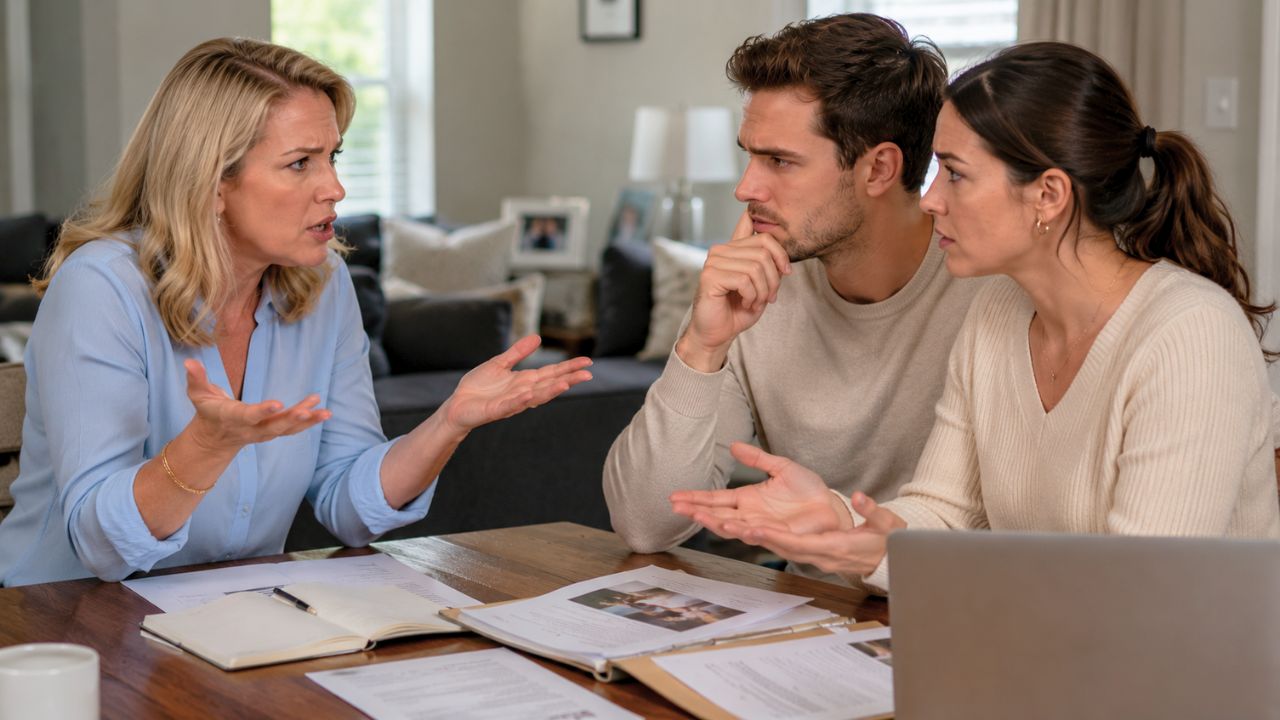
With a wedding a year away, a 26-year-old bride thought her biggest challenge would be the usual: picking a date, locking in vendors, and keeping the budget from spiraling. Instead, the pressure point became the guest list—specifically, whether she should invite a group of relatives she says she barely knows and doesn’t consider her family.
She and her fiancé are paying for the entire event themselves, with no financial help from parents on either side. That detail matters, because the dispute quickly turned into a question of who gets to treat the wedding like a family reunion—and who’s expected to foot the bill.
A guest list turns into a loyalty test
In the original post, the bride explains that her dad remarried when she was 10, two years after her mother died. The new marriage brought a stepmother into her life—and, along with her, an extended family that had strong opinions about how the bride should label that relationship.
Not long after the wedding, the stepmother’s relatives reportedly grew annoyed that the bride’s maternal family didn’t treat the stepmother like a replacement member of their circle. They also took issue with the bride referring to her as “stepmom” instead of “mom.”
From the bride’s perspective, her mom’s family hadn’t done anything aggressive or exclusionary. They simply used the accurate title: stepmother. But that distinction became a recurring sore spot, and it planted the idea that every major milestone would come with a demand to prove where the stepmother fit.
The sweet 16 that never really ended
The bride points to one moment that still shapes the dynamics now: her sweet 16 party. She says her dad didn’t want to invite her late mother’s family because he thought their presence would make his wife and her relatives uncomfortable.
That didn’t sit right with the teenager who the party was supposed to celebrate. She remembers asking who the party was for and pushing back hard, telling her father that if her stepmother’s relatives had a problem being around her maternal family, they didn’t have to attend.
According to her, the disagreement didn’t stay between her and her dad. Her stepmother told her own family, and the stepmother’s relatives blamed the bride’s maternal side. The bride says those relatives acted offended that she prioritized “my actual family” over people who were “sorta family” but never truly felt like hers.
It’s the kind of conflict that doesn’t disappear—especially when it’s rooted in grief, remarriage, and the lingering question of who gets acknowledged at the big events.
Planning a wedding with a built-in flashpoint
Now, with wedding planning underway, the bride says she’s keeping the guest list focused on people who are actually part of her life. Her dad and stepmother are invited, along with her maternal relatives. But she doesn’t want to add her stepmother’s extended family.
There are two reasons. The first is emotional and practical: she says she doesn’t have a real connection to them, and she worries that putting all sides in the same room could invite confrontations or attempts to start fights.
The second is about money and motives. Even though she doesn’t describe her stepmother’s relatives as people she hates, she also doesn’t see them as a “third family.” Inviting people she feels she’d “quickly lose touch with if my dad divorced or died” feels, to her, “so greedy and like a gift grab.”
That framing matters because it turns the invitation into something deeper than a seat at a reception. To her, it’s an endorsement—plus a request for gifts and time from people she doesn’t want in her life long-term.
Dad offers to pay—but wants peace bought with photos
When she refused to add the stepmother’s extended relatives, her stepmother was upset. Then her dad tried a compromise: he offered to pay 100% of the cost for that side’s additional guests, positioning them as “sorta his guests” rather than the couple’s.
For many families, that might have been the end of it. But for this bride, the concern wasn’t only cost—it was control, behavior, and what the wedding would be forced to symbolize.
She asked her dad two pointed questions. First, would he keep the extra guests “on a short leash” so they didn’t start fights? Second, would he make it clear they wouldn’t be included in family photos?
Her dad’s answers made the decision easier, not harder. He admitted that to avoid hurt feelings and “more trouble,” they would need to be included, and he also said he couldn’t control adults. To the bride, that translated into a predictable outcome: guests she didn’t want, potential drama she couldn’t stop, and pressure to stage photographs that pretend a close family bond exists when it doesn’t.
So she held the line. The answer stayed no.
People zeroed in on money, leverage, and the risk of a scene
While the bride’s post focuses on her own reasoning, much of the reaction to stories like this typically comes down to a few practical realities: who pays, who decides, and what happens if the wrong people feel entitled to make a moment about themselves.
In this case, the couple’s decision to self-fund strips away a common argument used to force invitations: “We’re paying, so we get a say.” The bride also makes clear she’s not trying to exclude her stepmother from the day; she’s excluding people she doesn’t feel connected to, especially given the history of tension around her mother’s family.
Another theme embedded in her concerns is enforceability. Even if her father wrote a check for every extra plate, he already acknowledged he can’t control how adults behave. And once someone is invited, they often expect the full package: access, attention, photos, and the ability to mingle wherever they want.
That’s why her questions about “short leash” behavior and family photos land so heavily. She’s not only trying to avoid a loud scene; she’s trying to prevent a softer kind of takeover, where the wedding becomes another chapter in a long argument about what her stepmother should be called and how her mother’s memory should share space.
A wedding invite can’t fix a decade of resentment
By the end of the post, the bride says her father and stepmother are accusing her of being a bridezilla. But her version of events doesn’t read like a fight over centerpieces or a bigger dance floor. It reads like someone trying to keep one day from becoming a referendum on her family history.
There’s also an unresolved tension in her dad’s position. He offered to pay, but he also acknowledged that the extra invites wouldn’t come with boundaries—meaning the bride would be asked to absorb the social consequences anyway. In that light, the money isn’t a solution; it’s leverage dressed up as generosity.
With the wedding still a year away, the guest list question may not be the last pressure point. But the bride’s stance is clear: she wants a room filled with people she knows, loves, and trusts not to turn her celebration into a fight she’s been dodging since she was a teenager.