His Family Had Been Adding Names Without Permission for Months — Then She Uninvited 25 of Them Six Weeks Before the Date
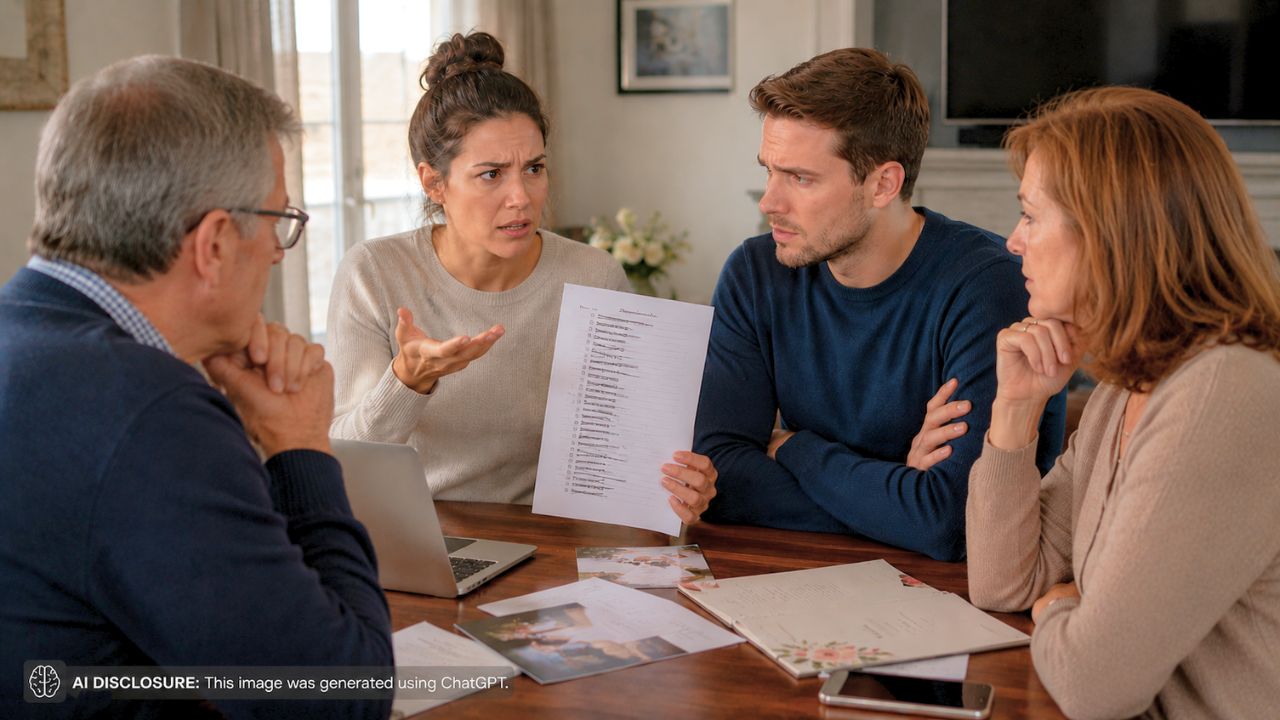
With six weeks left on the clock, a bride-to-be found herself doing the kind of wedding math nobody plans for: not seating charts and catering counts, but how to keep unwanted family pressure from taking over her day. Her answer was blunt and immediate—she pulled invitations from roughly 25 relatives after a fight over the theme of her long-planned Halloween wedding.
In her telling, the disagreement wasn’t new. What changed was the timing and the tone. After two years of planning, she said, her mom and grandmother suddenly decided the celebration was “satanic” and tried to force last-minute changes. She refused, and the family pushback escalated into what she described as a power struggle.
Two years of planning, then a sudden moral panic
The wedding had been in motion for a long time. She said she’d planned her Halloween wedding for two years, including locking down a venue that required a wait list. That kind of booking usually comes with nonrefundable deposits and strict deadlines, which makes last-minute theme changes more than just an aesthetic debate.
But she said her mother and grandmother “all the sudden” decided the wedding was satanic and demanded changes close to the date. The bride drew a hard boundary and told them no. From her perspective, that should have been the end of it.
Instead, she said the refusal triggered a chain reaction across her mom’s side of the family—people choosing sides, weighing in late, and treating the wedding like a test of loyalty rather than a celebration.
The pushback turned into a family show of force
After she held her ground, she said about half of her mother’s side responded by claiming they weren’t coming, framing it as a kind of group statement. She described it as a “random” struggle for control that arrived when she had the least time to adjust.
To the bride, the issue wasn’t that relatives had private opinions about a Halloween theme. It was the idea that they could use attendance as leverage, and do it at the point when vendors are finalizing headcounts and schedules.
So she made a decision that many couples only talk about in theory: she treated their declarations as final and started canceling invitations for anyone who complained or backed her mom or grandma’s demands.
She didn’t negotiate—she cut the list and locked the door
The fallout moved beyond passive-aggressive comments. She said one of her sisters “acted like she stepped out of brides maid duty,” so she replaced her. In the same sweep, she said she uninvited around 25 people who, in her view, had chosen to destabilize the wedding close to the finish line.
Then she did something practical to make it stick. She sent out “uninvited” notices and issued new QR codes for the people still on the guest list, saying the venue would check people in using only those updated codes.
It was a clear signal that she wasn’t bluffing. Whatever the family was used to—showing up anyway, pushing past a boundary at the last second, or forcing an on-the-spot reconciliation—she was building a system designed to stop that at the door.
Her account of the decision, and the family reaction, appears in the original post.
An aunt argued “disagreement” isn’t grounds for disinviting
Not everyone accepted the message. The bride said an aunt—one of the relatives who got cut—pushed back hard, arguing that people are allowed to disagree and that disagreement doesn’t justify pulling an invitation from a wedding they’d already made plans to attend.
That argument gets to the heart of why wedding conflicts get so bitter: guests often think of an invitation as a promise, while couples think of it as conditional on basic respect. The bride saw the late-stage objections as a coordinated attempt to bully her into changing the wedding she’d been planning for years.
She told her aunt that if anyone had concerns, they had two full years to raise them. Waiting until six weeks out—and then threatening not to come—crossed a line. In her view, those relatives made a choice, and she simply made it official.
Commenters tended to focus on logistics and enforcement
In stories like this, the emotional part gets the attention, but the logistics often determine whether a boundary holds. The bride’s move to reissue QR codes and have the venue check guests in suggests she was anticipating something more than hurt feelings—possibly uninvited relatives trying to show up anyway.
That kind of planning is what people often zero in on when a family conflict involves a major event: don’t just argue, control access. A guest list only matters if it’s enforced, and venues are typically more willing to help when couples provide clear instructions and updated lists.
Even without seeing a full comment thread in the source material, the practical pressure points are obvious. Six weeks out is when headcounts tighten, final payments are due, and seating charts become less flexible. Cutting 25 people is dramatic, but so is the financial and scheduling chaos that can come from no-shows, last-minute reversals, or surprise attendees.
The bride’s system also limits real-world confrontation. If the venue staff are checking codes, the couple doesn’t have to be the bouncer at their own wedding. That matters, because family blowups at the entrance are exactly the kind of scene couples fear—and exactly the kind of moment controlling relatives sometimes rely on to get their way.
The wedding is still coming, but the family dynamic may not recover fast
Even if the door plan works perfectly, the larger cost may land after the cake is cut. Disinviting 25 relatives—including at least one aunt and a sister who was supposed to be in the wedding party—reshapes a family in a way that doesn’t reset the next day.
The bride framed her decision as refusing to be bullied, especially after putting two years into building a specific wedding at a venue that wasn’t easy to secure. Her relatives, at least through the aunt’s argument, seemed to see the invitation as something that couldn’t be revoked just because they objected.
With six weeks left, the immediate question is whether the remaining guest list holds steady—and whether any of the uninvited try to test the new QR-code system at the venue. The longer question is what happens after: whether anyone apologizes, whether the bride is pressured to “be the bigger person,” or whether this becomes the moment she redraws the lines of who gets access to her life.
For now, she’s treating the wedding like a fixed point. The theme stays. The list is smaller. And anyone who thought a last-minute standoff would force her to cave is finding out she’s willing to protect her day, even if it means leaving a big chunk of the family off the final headcount.