Mother-in-Law Kept Changing the Flower Order Without Telling the Bride — Then the Florist Was Told to Accept No More Calls From Her
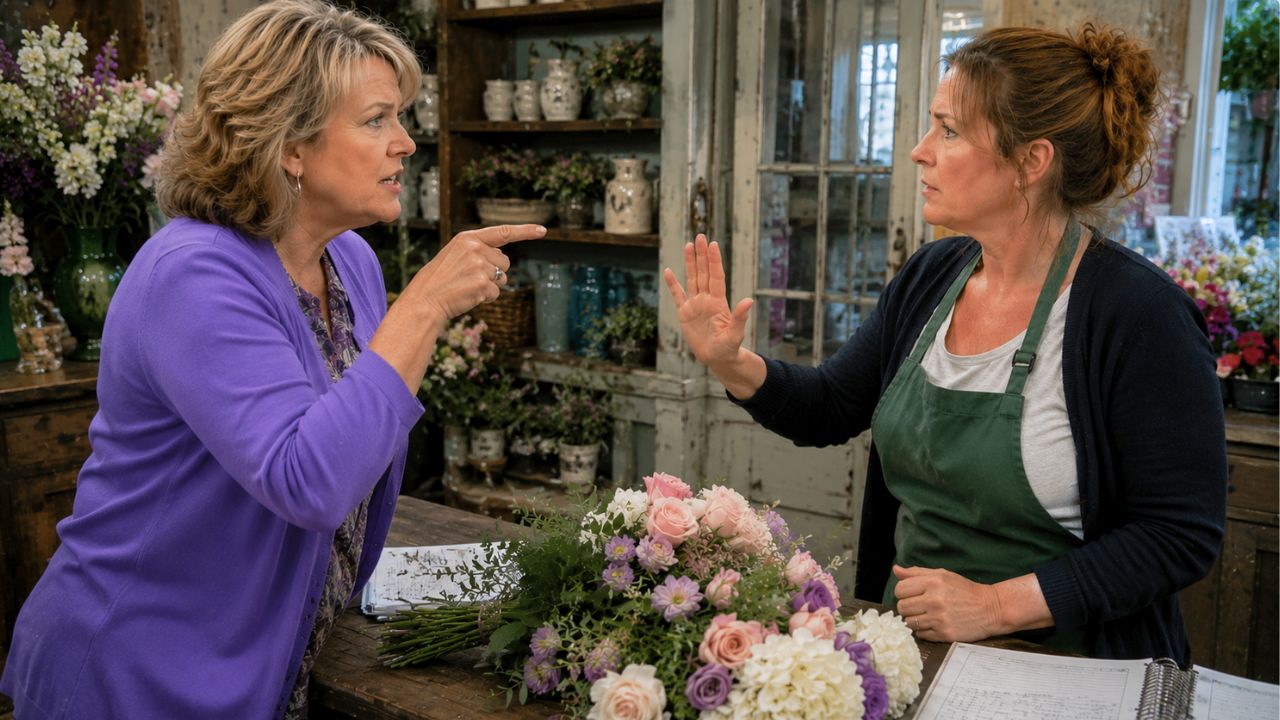
By the time the bride realized something was off, the florist had already remade the arrangements twice. What was supposed to be a clean, simple plan—soft whites and pale blush blooms to match a spring ceremony—kept shifting into louder colors and bulkier pieces the couple never approved.
The bride caught it in the most mundane way possible: an email confirmation that didn’t match the last meeting notes. The invoice showed a larger “statement arch” than the venue could even fit, plus added centerpieces for tables that weren’t on the seating chart. When she called the florist to ask why anything had changed, the answer came back carefully: someone in the family had been “updating” the order.
The first change sounded like a harmless tweak
Early in planning, the bride and her fiancé picked a mid-range floral package and paid a deposit with a card from their joint account. They’d met with the florist in person, confirmed a palette, and agreed on substitutions if certain flowers were out of season.
Then the first adjustment landed—more greenery, fewer roses, and a slightly different shade of pink. The florist framed it as a preference update and reassured the bride it wouldn’t raise the total much. It was irritating, but it sounded like the kind of miscommunication that happens when multiple people are excited and talking at once.
The bride’s mother-in-law had been enthusiastic from the start, offering to help with “little details.” She’d asked for the florist’s contact info so she could coordinate delivery timing with the venue and confirm when the bridal bouquet would arrive for photos.
Each new revision carried a price tag and a message
What started as small tweaks turned into full-on redesigns. The order shifted toward the mother-in-law’s taste: brighter colors, more traditional shapes, and bigger arrangements. A line appeared on the invoice for upgraded vases, then another for extra boutonnières, then a “cake flowers” add-on the couple never requested.
When the bride pushed back, the florist explained that the calls were coming from the same number and the caller knew personal details about the wedding date, venue, and names. The mother-in-law wasn’t just asking questions; she was authorizing changes and approving new charges.
That’s when the bride realized the real problem wasn’t the flowers. It was the access. Someone who wasn’t paying the bill was directing a vendor like she was the client, and nobody had stopped her.
The bride began documenting everything
Instead of confronting the family immediately, the bride started gathering proof. She asked the florist to send an itemized list of all changes with timestamps, and she requested copies of any emails connected to the order. She also saved screenshots of the earlier proposal that had been agreed to in writing.
On the next call, she asked a straightforward question: who requested the upgrades? The florist finally confirmed it directly—her mother-in-law had been calling repeatedly, sometimes multiple times in a day, and describing the changes as “approved.” The florist admitted they assumed she was acting on behalf of the couple.
The couple reviewed their bank account and found multiple incremental charges. They weren’t catastrophic on their own, but together they were enough to blow the budget. Worse, the changes were happening close enough to the wedding that cancellation windows were narrowing.
The florist drew a boundary after the third round
The breaking point came when the mother-in-law attempted to switch the ceremony flowers again, this time asking for a new arch design and adding extra arrangements “for the entry” that the venue didn’t allow due to fire code and narrow walkways. The florist, now caught between competing instructions, contacted the bride for clarification.
The bride and her fiancé went to the shop in person and asked for a reset. They brought the original contract, confirmed what they wanted, and set rules: no changes without written approval from both members of the couple, and no additional charges without a fresh authorization.
They also asked the florist to put a password on the account and to note, in bold, that the mother-in-law was not permitted to modify anything. The florist agreed—and, after another attempted call from her, told staff to stop accepting her calls entirely. Any future communication would go through email to the bride’s address on file.
The confrontation at home turned into a bigger family issue
When the couple finally brought it up, the mother-in-law didn’t frame it as a mistake. She framed it as “help,” insisting she was improving the look of the wedding and preventing the bride from making choices she’d “regret in photos.” She also suggested that because it was her son’s wedding, she had a say in how it looked.
The fiancé told her the problem wasn’t taste—it was control. She had overridden decisions, created surprise costs, and put the couple in a position where they had to fix problems with vendors days or weeks before the event. The conversation spiraled when she demanded the florist reverse the boundary and accused the bride of excluding her.
The couple worried about what would come next. If she felt entitled to call vendors, what about the cake, the DJ, or the venue itself? The bride began forwarding vendor contracts to a single shared planning email and adding notes that only two people were authorized to make changes.
People focused on passwords, written approvals, and payment controls
When the story circulated among friends and other wedding guests, the reactions were practical. The first suggestion was vendor passwords on everything—florist, catering, photography, transportation. Some pointed out that vendors deal with family interference all the time and usually have a system for it, but only if the couple asks.
Others focused on the money. If a vendor can charge a card on file after a phone call, it’s worth removing stored payment info and requiring invoices before any processing. A few people advised the couple to contact their bank about disputing unauthorized add-ons, especially if the signed agreement didn’t cover them.
Another common warning was about day-of interference. Several people urged the couple to designate a trusted point person—someone other than the mother-in-law—to handle vendor questions on the wedding day, so the bride and groom wouldn’t be dragged into logistics while getting ready.
By the week of the wedding, the flowers were back to the original plan and the final invoice was corrected. The mother-in-law still wasn’t happy, and the couple still had to navigate a tense family dynamic, but the vendor access was locked down. For the bride, the lesson was blunt: planning a wedding is stressful, but it becomes unmanageable when someone else can secretly rewrite it one phone call at a time.