Grandma Signed the Baby Up for Classes Without Asking — Then the Parents Canceled Every Enrollment
It started with a cheerful email notification from a children’s studio the parents had never heard of. Then another. And another. By the time the baby’s morning nap was over, there were confirmations for “Baby Music Foundations,” “Infant Swim Readiness,” and a weekend “Sensory Garden” session—each with a start date, each with a payment plan, each addressed to their child.
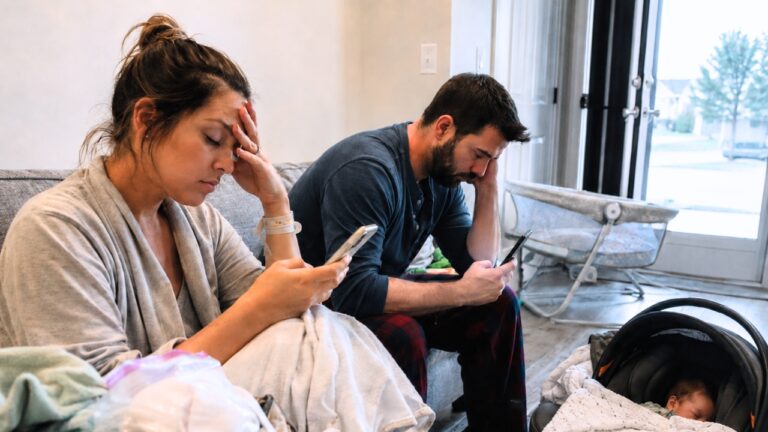
The parents, both working full-time and still in that hazy first-year rhythm of bottles and schedules, thought it had to be a mistake. Their daughter wasn’t even walking yet. They hadn’t toured any facilities, signed any waivers, or entered a credit card anywhere.
Then the grandmother called, bright and proud, and explained she’d gone ahead and “gotten her enrolled” because she didn’t want her grandbaby to “miss the window.”
The enrollments came with real fees and real obligations
The first cancellation call wasn’t dramatic. The father phoned the music studio, gave the child’s name, and asked what was going on. The receptionist confirmed the account had been created days earlier with the parents’ address, the baby’s birthdate, and an emergency contact number that wasn’t theirs.
When he asked about payment, the studio said a card had been used to cover a nonrefundable registration fee, and the first monthly payment would draft in two weeks unless canceled within 48 hours. They were inside the window—barely.
That’s when the mother checked their bank and realized the grandmother hadn’t used her own card. The charge had been run through a saved payment method from a shared family tablet the grandmother sometimes used at their house, the kind that stays logged in if no one signs out.
By late afternoon, the parents were juggling three different customer service lines, each with slightly different policies. One would refund the registration fee if they emailed a statement that the enrollment wasn’t authorized. Another would only offer a credit. The swim school insisted they still needed an adult to sign liability waivers in person, but that didn’t stop the system from holding a spot and charging the card.
The bigger issue was control, not enrichment
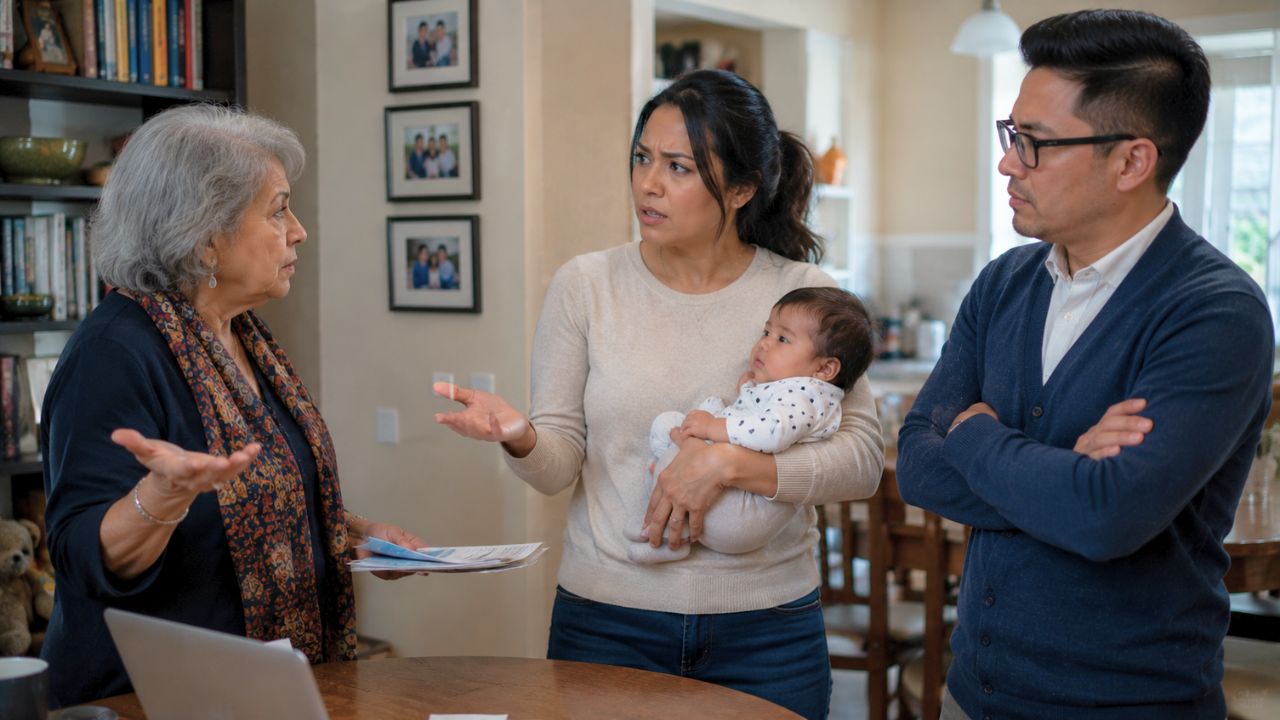
The mother called the grandmother back and tried to keep it calm. She explained that signing a baby up for activities is a parenting decision, not a surprise gift, and that money wasn’t the only problem. It was the schedule, the transportation, and the fact that the baby had pediatric appointments and a nap routine that still shifted week to week.
The grandmother took it badly. She framed it as a harmless help, then as an insult. She said she was only trying to make sure the baby “had opportunities,” and suggested the parents were being ungrateful and overly sensitive.
What made it sting more was the way the grandmother had presented the classes as already settled. She’d told relatives on a group chat that the baby was “starting music lessons,” and mentioned swim sessions like they were part of the family’s weekly plan.
To the parents, it didn’t feel like enthusiasm. It felt like someone making decisions and expecting them to fall in line.
Canceling everything turned into a two-day scramble
They canceled every single enrollment they could find, and then went hunting for more. The father searched the email account for keywords like “welcome,” “enrolled,” and “registration.” The mother checked the bank statement line by line and found a small “materials fee” from an art studio across town.
That one was trickier because it had been processed through a third-party booking platform. The platform required the account holder to cancel, and the account holder was the grandmother—using the parents’ address and their baby’s name, but her own login.
They ended up sending screenshots of the unauthorized charge, a copy of the baby’s birth certificate showing the parents’ names, and a written request to remove the child from any roster. It worked, but not before the studio warned them that spaces were limited and that cancellation could affect “future priority enrollment,” like they were turning down a job offer instead of trying to undo a boundary-crossing decision.
The grandmother didn’t let it drop. She began forwarding alternate class links, suggesting different studios, and offering to “just handle it” if the parents would “stop overthinking.” When they didn’t respond, she showed up at their house with printed schedules and a little bag labeled with the baby’s name.
That visit ended at the door. The father took the papers, said they were not doing this, and asked her to leave. The grandmother drove off upset, then sent messages to other family members implying the parents were keeping her from bonding with her grandchild.
The parents started locking down accounts and documenting everything
After the dust settled, the mother changed passwords to email, banking, and any account tied to the family tablet. They wiped the device and set it up with separate profiles, and they removed saved cards from browsers and payment apps. It was tedious, but it felt necessary.
They also called their bank. The representative recommended filing disputes for any fees that didn’t get refunded, and suggested they consider setting alerts for all card-not-present transactions. The parents didn’t want to turn it into a fraud case inside the family, but they also didn’t want the lesson to be that this would blow over without consequences.
What concerned them most was how easily the grandmother had used personal information. She knew the baby’s birthdate, pediatrician’s office, and their daily routine. She had access to their mailbox at times, and she’d previously insisted on “helping” by picking up packages and dropping off groceries.
Now, those gestures looked different. The parents started using a lockable mailbox slot and asked delivery carriers to leave packages out of sight. They even mentioned to their building manager that no one besides the tenants should be let into the lobby to “drop things off,” because the grandmother had a habit of tailgating through the door behind other residents.
People around them focused on boundaries—and practical safeguards
Friends the parents spoke to didn’t get hung up on whether baby music or swim lessons were good ideas. They focused on the method: making commitments for a child without permission, and putting charges through someone else’s payment method.
Several urged them to keep communication in writing, especially if the grandmother continued trying to schedule activities. The point wasn’t to build a case for court; it was to avoid future arguments about what was said. A few suggested a simple rule: if the parents didn’t sign up for it, the baby wasn’t going, and no one should pay for it or promise it to anyone else.
Others pushed the financial angle. They recommended freezing the card that had been used, requesting a new number, and tightening up the bank’s authorization settings. One person warned that some studios automatically re-bill if a card is on file, even after a cancellation request, unless the account is fully closed.
The most blunt advice was also the simplest: stop giving the grandmother access to devices, accounts, keys, or anything that makes it easy to “help” in ways that aren’t actually help.
The hardest part was dealing with the fallout inside the family
The parents eventually invited the grandmother to meet at a neutral place, not their home. They laid it out clearly: she could suggest activities, she could offer to contribute to a class the parents chose, but she could not enroll the child in anything or use their payment methods again. If it happened even once more, they would treat it as unauthorized spending and handle it through the bank.
The grandmother didn’t like the terms. She argued that grandparents have a role and that she’d only been trying to be involved. But the parents held the line, emphasizing that involvement comes from trust, not from taking over.
For now, the baby’s calendar is back to normal—pediatric visits, naps, stroller walks, and the occasional playdate the parents actually plan. The grandmother still sends class links sometimes, but she’s been told they won’t respond to pressure. The bigger question isn’t whether the baby will ever take swim lessons or music class. It’s whether the adults can rebuild a relationship where “help” doesn’t come with strings already tied.