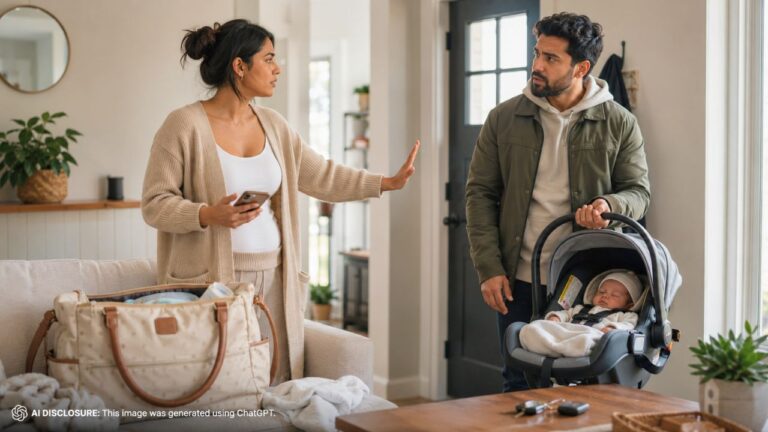
Grandma Wanted To Be in the Room When the Baby Came Home — Then the Parents Locked the Door
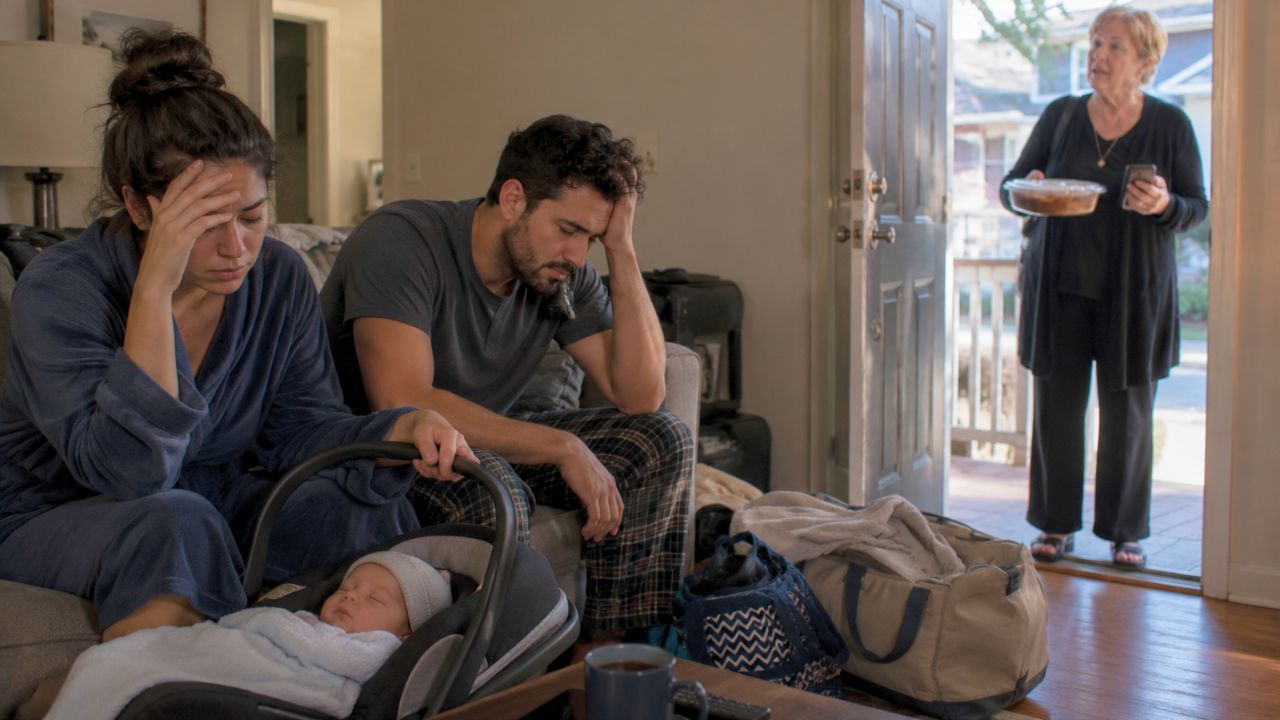
Photo credit: thrivegirly.com
They had barely been home an hour when the first knock came.
The baby was finally asleep in the carrier, the hospital bags were still by the couch, and the new parents were moving through that stunned, quiet haze of exhaustion. The doorbell rang again, then a heavier knock, the kind that rattles the peephole.
On the porch was the baby’s grandmother, holding a casserole dish in one hand and a phone in the other. She wasn’t asking if she could come in. She was acting like she had a shift to start.
“I just need to be there” turned into a demand
During the pregnancy, the grandmother had been openly vocal about wanting to “be in the room” for everything, right down to the moment the baby crossed the threshold at home. She’d framed it as tradition and support, the way she believed families did it.
The parents saw it differently. The birth had been stressful, and the mother had needed stitches and rest. The couple had agreed in advance: no visitors for a few days, no drop-ins, no “quick peeks,” and absolutely no surprise help that turned into hosting.
They’d texted both sides of the family a simple message from the hospital: they were homebound, tired, and would reach out when ready. The grandmother responded with a string of messages about how she’d already bought groceries and cleaned her house in case she needed to stay over.
The door stayed closed, and the pressure escalated
When the grandmother showed up anyway, the parents didn’t open the door. They spoke through the camera doorbell, thanking her for the food and asking her to head home. They promised they’d set up a short visit later in the week.
She didn’t leave. She repositioned herself on the porch steps like she was settling in, and then she began calling relatives. Within minutes, the father’s phone lit up with missed calls from an aunt and a cousin, both asking why they were “shutting her out.”
It wasn’t just emotional pressure. The grandmother started insisting she could hear the baby crying and that the mother needed help. When the mother tried to text directly, the grandmother responded with a message about how “this isn’t how family acts” and that she’d be “forced to do something” if they kept ignoring her.
That’s when the father slid the deadbolt, latched the chain, and pulled the blinds. It wasn’t dramatic. It was practical.
The neighbors noticed, and the building got involved
The couple lived in a small multi-unit building with shared hallways and thin walls. The grandmother’s knocking shifted into repeated doorbell presses, then a sharp rattle of the doorknob. A neighbor across the hall opened their door, saw what was happening, and quietly shut it again.
But another neighbor wasn’t as passive. After the grandmother began tapping on the window beside the front door, someone called the building manager, who lived off-site. The manager called the father to ask if there was an emergency because the hallway camera showed someone refusing to leave.
The father, trying to keep his voice low so the baby wouldn’t wake, explained it was a family situation and that they did not want a visitor. The manager said if she didn’t leave, they’d have to treat it like a trespassing issue because residents had complained about the noise and the hallway being blocked.
That was the moment the grandmother’s presence stopped being “a disagreement” and became a problem with consequences. A few minutes later, the couple got another ring notification: the grandmother was now filming the door with her phone, narrating to someone on speaker as if she was documenting wrongdoing.
A “wellness check” threat made it feel unsafe
After nearly an hour, the grandmother’s messages shifted from guilt to authority. She wrote that she was worried the baby wasn’t being cared for and that she might call in a welfare check if they wouldn’t open the door. The mother, still in pain and barely upright, burst into tears.
The father made a decision he hadn’t wanted to make on day one of parenting: he called the non-emergency line. He told the dispatcher there was an unwanted family member refusing to leave, that there was a newborn and a recovering mother inside, and that the visitor was escalating the situation.
When an officer arrived, the building hallway got quiet in that instant way it always does. The grandmother tried to explain that she was only there to help and that she “had a right” to see her grandchild. The officer asked the simple questions that cut through everything: did the residents want her there, and had she been told to leave?
She had. She was told again. The officer didn’t argue about family dynamics. They explained that the residents controlled access to their home, and she needed to leave the property. The grandmother finally walked away, but not before turning back toward the door as if expecting it to open at the last second.
After she left, the aftermath lingered in writing and in locks
Inside, the couple didn’t feel victorious. They felt wrung out. The mother’s heart was racing, the baby was awake again, and the idea of sleeping that night felt impossible.
The next day, the father emailed the building manager to document what happened and asked for copies of hallway footage in case it was needed later. The manager didn’t promise footage but confirmed there had been a complaint and noted the time the officer arrived.
They also replaced the cheap chain latch with a sturdier one and added a second camera pointed at the walkway. Not because they thought the grandmother would break in, but because they couldn’t trust that she wouldn’t return and spin the story if she did.
Family fallout came quickly. Relatives texted about “overreacting” and suggested the grandmother was just excited. A few tried a softer approach, asking if the mother was dealing with postpartum anxiety and hinting that maybe professional help was needed. The mother read those messages like accusations, even when they weren’t meant that way.
So the parents shifted to one channel: short, calm updates sent once a day to a group chat, and no replying to arguments. They set a single boundary in writing—visits would be scheduled, limited, and only when invited—and they saved screenshots of everything.
People focused on documentation, not debate
When the situation circulated among friends and extended family, the most practical advice wasn’t about who was “right.” It was about preventing the next escalation from happening in the same way.
Several people urged the couple to keep everything in writing, especially any mention of welfare checks or threats. Others suggested establishing a clear visiting policy: time windows, no unannounced arrivals, and immediate consequences if the policy was ignored.
A few pointed out the quiet risk in letting the incident turn into a shouting match on the porch. If the grandmother returned and someone raised their voice, it could look messy to neighbors or responding officers who didn’t know the backstory. Cameras, timestamps, and calm messages were the couple’s best protection.
More than one person said the same thing: if someone truly wants to help new parents, they don’t force their way into the moment. They ask what’s needed, drop it off, and leave.
By the end of the week, the grandmother hadn’t apologized, but she had stopped showing up. The parents arranged a short visit at a neutral location later on, with clear start and end times, and the baby stayed in the carrier most of the time. It wasn’t the warm homecoming anyone pictured, but it was controlled.
For the new parents, the locked door wasn’t a punishment. It was a reset. They’d brought a newborn into the world, and before they could even unpack the hospital bag, they learned the first rule they’d need for the rest of parenthood: boundaries don’t work unless you enforce them.