Mother-in-Law Tried To Announce the Baby’s Birth First — Then the Parents Stopped Sharing Updates
The couple thought they were doing everything right: quiet labor, a short list of people in the loop, and a plan to share news when they were ready. They’d told immediate family that the delivery would be private, and that updates would come from the parents only. The goal was simple—no pressure, no constant phone buzz, no surprise posts.
Then, within hours of the birth, one side of the family began acting like the news belonged to them. The parents found out the hard way that a single overexcited relative with a smartphone can turn a calm boundary into a full-blown conflict.
A private delivery turned into a race to post
During the last weeks of pregnancy, the mother-in-law had been asking for early labor signs, doctor appointment details, and the hospital name. The parents kept things vague on purpose, sharing only that they’d text when it was time. They also asked, more than once, that nobody post anything online until they did.
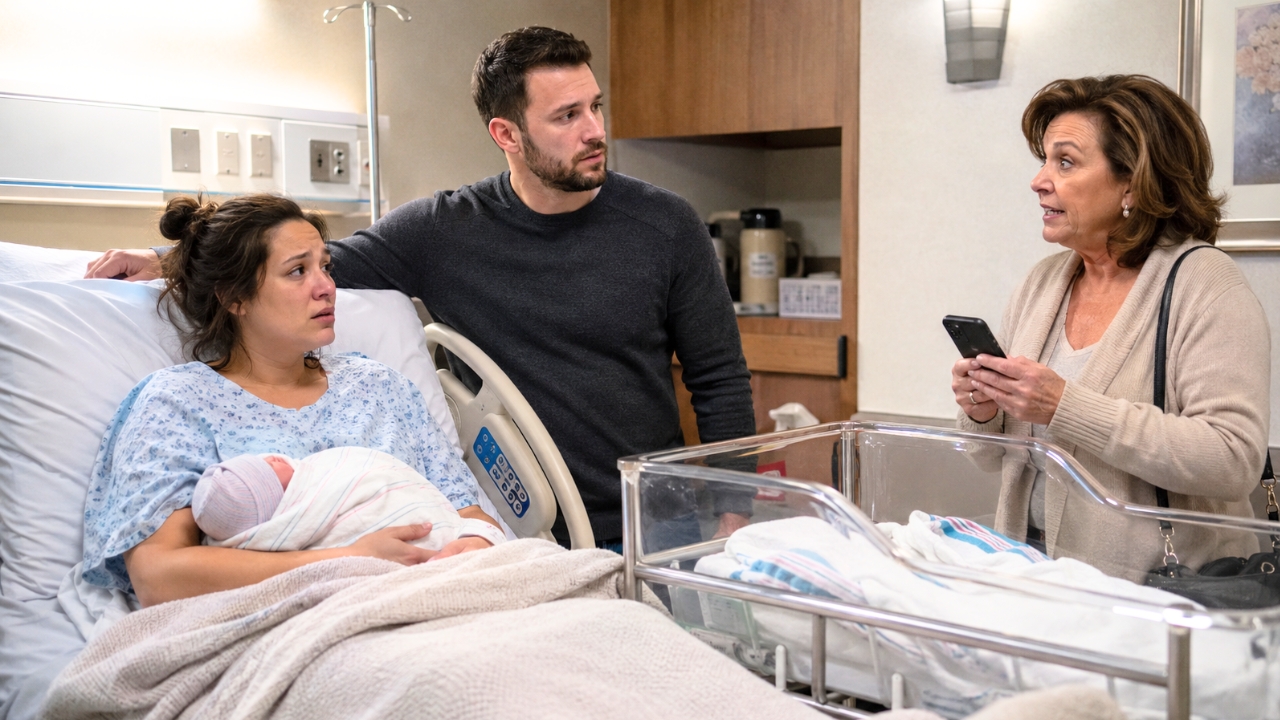
When the baby arrived, the new parents sent a short message to immediate family: everyone was healthy, more details later. They did not include a photo, the baby’s full name, or the time of birth. Within minutes, the mother-in-law began calling and texting, asking for a picture “just for the grandparents.”
The couple declined and said they were exhausted. That should have been the end of it. Instead, it became the start of a pattern.
The near-announcement happened in front of everyone
Later that day, a cousin messaged the parents asking if the baby was “officially here” because the mother-in-law had posted a vague status that sounded like a birth announcement. It didn’t include the baby’s name, but it referenced “becoming a grandma again,” used the date, and hinted that she’d been “waiting to share.”
The parents checked and saw the post had dozens of comments. Family members were congratulating her, asking for pictures, and guessing the name. A few people tagged others, which meant the news was spreading outside the parents’ circle.
The new mom, still in the hospital, asked her partner to handle it. He called his mother and told her to delete the post. The mother-in-law pushed back, saying it was her news too and she “didn’t even share the details.”
What escalated it was what happened next. She didn’t remove it right away. Instead, she edited it to sound even more suggestive, then started privately messaging extended relatives with a photo she’d gotten earlier in the week from a pregnancy update.
So the parents stopped sending anything they couldn’t control
The couple made a decision that night: no more real-time updates. They muted the family group chat, stopped answering calls, and told the nursing staff they weren’t accepting visitors. They also asked one trusted sibling to relay a single message: everyone was fine, they were resting, and they’d share photos when they were home and ready.
Back at home, they tightened things further. The parents created a private album that required approval to view, but they didn’t invite the mother-in-law. They also stopped sharing details like pediatrician visits, feeding updates, or the baby’s sleep schedule—anything that could turn into another family-wide broadcast.
The mother-in-law noticed quickly. She began calling at odd hours, leaving emotional voicemails, and framing it as being “shut out.” When the couple didn’t respond, she started contacting the new dad’s workplace phone, asking if he was “mad at the family.” That’s when it shifted from annoying to disruptive.
The pressure moved from online to real life
The next weekend, the mother-in-law drove over unannounced with a bag of baby clothes and knocked hard enough that a neighbor looked out. The parents didn’t open the door. They were trying to keep the baby’s routine stable and avoid a confrontation while they were sleep-deprived.
She stayed on the porch for nearly half an hour, texting that she could “hear people inside” and asking why she was being ignored. When nobody responded, she walked to a side window and tried to peek in, then left the bag on the doorstep like proof she’d been there.
That incident pushed the parents into documentation mode. They saved screenshots of the social media post, downloaded call logs, and wrote down dates and times of the surprise visit and workplace calls. The couple also installed a doorbell camera—not because they wanted drama, but because they wanted a record if it happened again.
They sent one calm message in writing: no unannounced visits, no posting about the baby, and no contacting workplaces. The message also explained the consequence—if boundaries were ignored, there would be a longer break from communication.
Commenters focused on proof, privacy settings, and one point of contact
People who heard the story from the couple’s side kept circling back to the same idea: you can’t control another adult’s emotions, but you can control access. The advice was to stop sending anything that could be reposted, including “innocent” photos, and to assume anything shared would become public.
Others emphasized keeping everything in writing. If the mother-in-law later tried to claim she “never knew the rules,” a single clear text with boundaries and dates would matter. Some suggested choosing one point of contact—only the new dad communicates, only through text—so the mother-in-law couldn’t triangulate through other relatives.
Privacy was another theme. People recommended locking down social accounts, removing relatives from “close friends” lists, and asking friends not to tag the parents in baby-related posts. A few went further and suggested telling the hospital and pediatrician office to password-protect information, especially if the mother-in-law had a history of calling for updates.
And for the unannounced visits, the practical guidance was consistent: don’t open the door, don’t argue on the porch, and let the camera do the work. If it kept happening, some urged the couple to consider a formal no-trespass notice or at least a written warning.
The hardest part wasn’t the post—it was the entitlement behind it
For the parents, the conflict wasn’t just about a social media update. It was the feeling that their first days as a family were being treated like community property, and that every boundary was being challenged like a personal insult.
The mother-in-law continued to test limits in small ways—asking other relatives for pictures, leaving gifts on the porch, sending messages that framed the parents as cruel. The couple held firm and stuck to their plan: short updates on their schedule, no photos shared outside the private album, and no visits without an invitation.
They didn’t want to cut ties permanently. They did want the message to land: being a grandparent doesn’t come with publishing rights. By the time the baby was a few weeks old, communication was quieter, but the tension was still there—less explosive, more simmering, and built around one unresolved question of control.
For now, the parents’ stance is simple. If someone tries to make their milestones about themselves, they won’t get more information—they’ll get less.