Her Sister’s Wedding Party Came With a Price Tag She Couldn’t Afford

Photo credit: Lumen Photos/Shutterstock.com
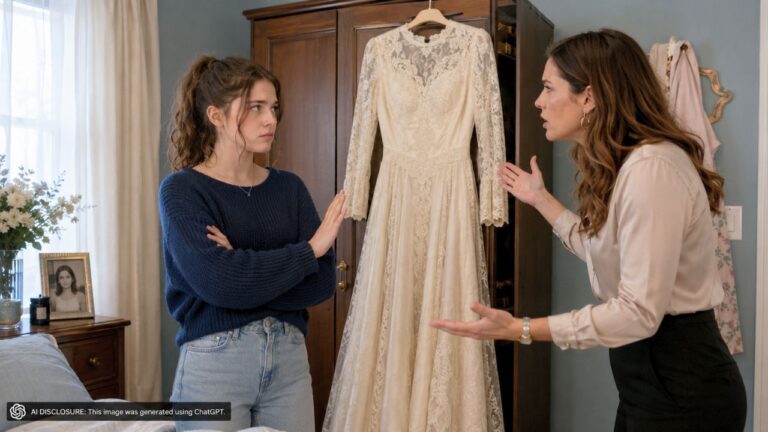
A 24-year-old woman said she wanted to stand beside her sister on her wedding day, but the cost of being in the bridal party quickly became more than she could handle.
The woman shared the situation on Reddit, explaining that her 28-year-old sister was planning what she described as a fairly extravagant wedding. When her sister first asked her to be one of the bridesmaids, the poster said yes because she loved her sister and did not want to disappoint her.
At first, the answer probably felt obvious. Being asked to stand in a sibling’s wedding can feel meaningful, especially when the bride is someone you care about. The poster did not sound like she wanted to make things difficult or reject the role out of spite. She was happy for her sister and wanted to support her.
Then the costs started coming in.
According to the poster, her sister sent a breakdown of what she would be expected to pay. The dress alone was $300. Hair and makeup would cost another $150. The bachelorette weekend was listed at $200. Then there were other random expenses layered on top.
Altogether, the total came close to $1,000.
For the poster, that was not a small inconvenience. She said she was barely making rent and did not have savings to use on wedding expenses. Putting nearly $1,000 toward someone else’s wedding was simply not realistic for her life.
She tried to talk to her sister about it. She told her she would still love to be part of the big day and help in other ways, but she could not afford to be a bridesmaid under those terms.
Her sister did not take it well.
According to the poster, the bride became upset, started crying, and said the poster was ruining her wedding. She also argued that the wedding was only once in a lifetime, implying the poster should find a way to make the money work.
Then their mother got involved.
Instead of helping mediate or acknowledging the financial strain, the mother told the poster she should put the expenses on a credit card and worry about it later.
That advice made the poster feel even worse. She did not want to go into debt over a wedding, especially when she was already struggling to cover basic bills. But between her sister’s tears and her mother’s pressure, she started to feel like the bad guy for saying no.
She brought the situation to Reddit in a post titled “AITA for refusing to be in my sister’s bridal party because I can’t afford it?”: https://www.reddit.com/r/AITAH/comments/1k8rn44/aita_for_refusing_to_be_in_my_sisters_bridal/
The emotional conflict was not only about the money. It was about being asked to prove love through spending money she did not have.
The poster was not refusing to attend the wedding. She was not saying she did not care about her sister. She was offering to support her in ways that would not put her finances at risk. But her sister seemed to treat the refusal as a personal rejection.
That is what made the situation feel so unfair. The bride had every right to plan the kind of wedding she wanted, but that did not mean everyone else had the money to participate at the level she imagined. A bridesmaid role can come with real expenses, and for someone barely making rent, those costs are not symbolic. They are groceries, gas, utilities, rent money, and debt risk.
The mother’s response added another layer. Telling someone to put nearly $1,000 on a credit card and deal with it later might sound easy from the outside, but debt does not disappear after the wedding photos are taken. Interest, monthly payments, and financial stress would still belong to the poster long after the ceremony was over.
For the poster, stepping down from the bridal party was not about refusing to celebrate her sister. It was about refusing to damage her own financial stability for a wedding she could not afford.
The hardest part was that her family framed the boundary as selfish. Her sister cried. Her mother suggested debt. Nobody seemed to ask whether the costs were reasonable for a 24-year-old who was already barely making rent.
That left the poster in an impossible position: either spend money she did not have to keep everyone happy, or protect herself and be accused of ruining a day that was never supposed to depend on her credit card.
Commenters overwhelmingly told the poster she was not wrong for stepping out of the bridal party.
Many said that if the mother thought it was so important for the poster to be a bridesmaid, the mother could cover the cost herself instead of telling her daughter to use a credit card. Others said the bride could also help pay if having her sister in the bridal party mattered that much.
Several commenters focused on the total cost. They said $1,000 is a lot of money, especially for someone who is already struggling to pay rent. Many warned her not to take on debt for a wedding, no matter how emotional her sister became.
Others said wedding expectations have gotten out of hand. Commenters pointed out that bridesmaids often face costs beyond the first estimate, including gifts, travel, showers, alterations, shoes, accessories, and last-minute expenses. Some said the $1,000 number might only be the beginning.
A few commenters tried to see the bride’s side. They said it is understandable that she wants her sister there and may feel hurt. But most still agreed that hurt feelings do not make it okay to pressure someone into financial hardship.
Several people suggested the poster offer a smaller role. She could attend as a guest, help with a low-cost project, or spend time with her sister before the wedding in a way that did not require hundreds of dollars. But they were clear that any help should be voluntary, not guilt-driven.
The strongest advice was simple: do not go into debt for someone else’s wedding. A loving sister should want her there because she matters, not because she is willing to financially strain herself for a dress, makeup, and a bachelorette weekend.