Musician Says His Landlord Kept His Cello During an Illegal Eviction — Then Police Said They Needed Access to Prove It Was Stolen
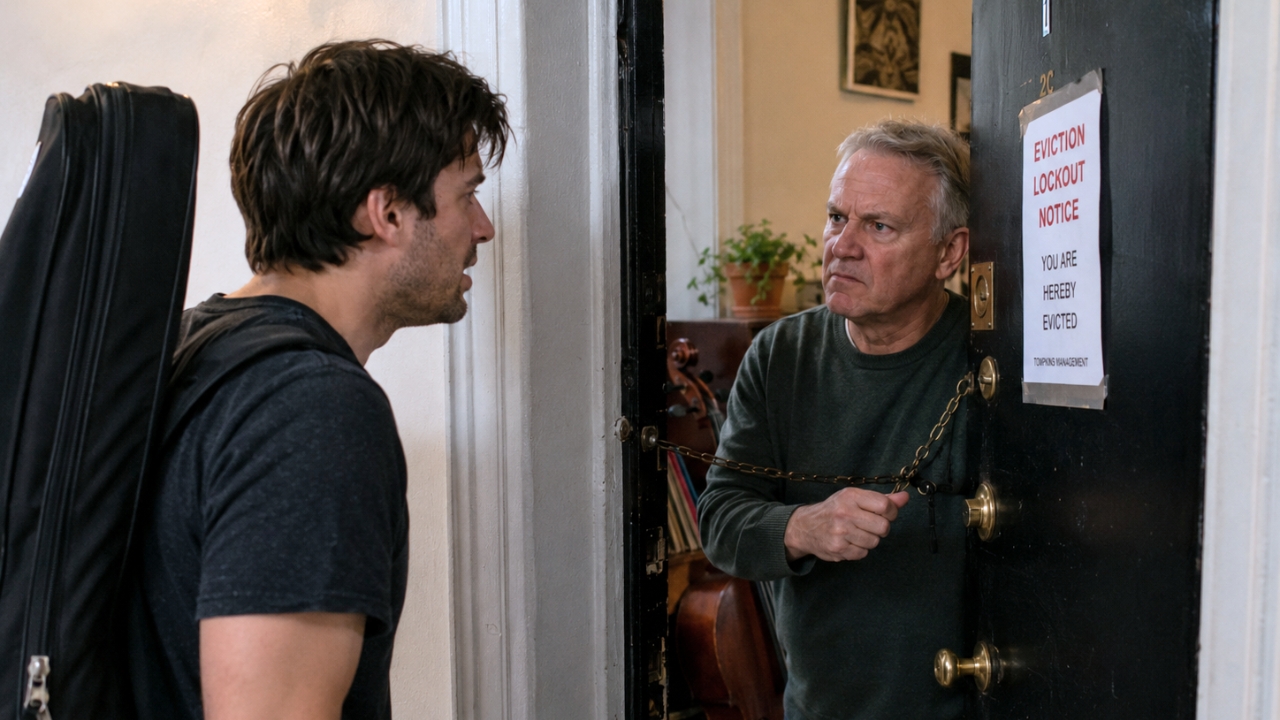
A musician says his landlord locked him out during a dispute and kept one of the most important things he owned: his cello.
He explained in a Reddit post that the situation happened during what he described as an illegal eviction. Instead of going through the normal legal process, the landlord allegedly locked him out and prevented him from getting his belongings.
That alone would have been serious.
But the cello made it worse.
For a musician, an instrument is not just property. It can be work equipment, an artistic tool, a major financial investment, and something deeply personal. A cello can cost thousands of dollars. It can also be hard to replace quickly, especially if the player is used to that specific instrument.
So when the landlord kept it, the tenant was not only worried about a missing item. He was worried about losing something tied to his identity and livelihood.
He tried to involve police, but that did not immediately solve the problem. According to the post, police told him they needed access to the property to prove the cello was there and that it had been stolen. That left him stuck in a maddening loop.
He could not get inside because he had been locked out.
Police said they needed access to verify the property.
The landlord was the one controlling the access.
That kind of situation can make a tenant feel powerless fast. The person accused of withholding the belongings is also the person with the key. The victim knows what is inside, but knowing is not the same as being able to prove it in the way authorities want.
The illegal eviction piece mattered too. If a landlord locks someone out without a court order, the tenant may have rights to regain access or recover damages. But those rights often require fast action, paperwork, and the right local office. A tenant may need to contact legal aid, housing court, a sheriff, or a tenant-rights organization to force the issue.
Meanwhile, the belongings stay trapped.
That is the part that makes illegal lockouts so brutal. It is not just that someone loses access to an apartment. They lose access to medication, documents, clothes, work equipment, pets, tools, instruments, electronics, and everything else that makes daily life function.
For this tenant, the cello became the symbol of the whole violation.
He wanted it back. He needed proof. He needed the landlord to stop controlling the story.
Commenters likely pushed him toward several practical steps at once: document the lockout, save all communications with the landlord, make a detailed list of missing belongings, gather proof that the cello was his, and seek urgent tenant-law help. If he had photos of the cello in the apartment, purchase records, repair receipts, insurance paperwork, performance photos, or serial numbers, those could all help establish ownership and presence.
They also likely told him not to rely only on a theft report if the core issue was an illegal eviction. Housing court or tenant remedies might be the faster path to access, while police may treat the property dispute as civil unless they can confirm the landlord is intentionally withholding or disposing of belongings.
That distinction is frustrating, but important.
To the tenant, the landlord stole the cello.
To police, without access or proof, it may look like a landlord-tenant dispute over property locked inside a unit.
To a housing court, it may look like an illegal lockout with unlawfully withheld belongings.
The best path may require all of those pieces: police report, tenant complaint, legal aid, documentation, and a demand for immediate access to retrieve personal property.
The post did not read like a simple misunderstanding. A person was allegedly locked out of his home and separated from a valuable instrument. That is a serious loss even before any court sorts out the legal wording.
A cello is not something you leave behind lightly.
And if a landlord uses a lockout to keep it from you, the fight becomes about more than rent or keys.
It becomes about getting back the part of your life that was left behind the locked door.
Commenters mostly told him to act quickly through tenant-law channels, not just police. Many said an illegal lockout can require urgent help from legal aid, housing court, or local tenant-protection agencies.
Several people said he needed proof that the cello belonged to him and was inside the apartment: photos, receipts, repair records, insurance documents, serial numbers, or witness statements.
A lot of commenters explained why police might hesitate without access to the unit. They may not be able to prove the cello is there or that the landlord took it unless there is documentation or a way to inspect the property.
Others said he should send written demands to the landlord for immediate access to retrieve belongings and keep every message, notice, and refusal.
The strongest advice was simple: treat it as both an illegal eviction and a property issue. The fastest way to get the cello back may be forcing access through tenant protections, then documenting anything missing.