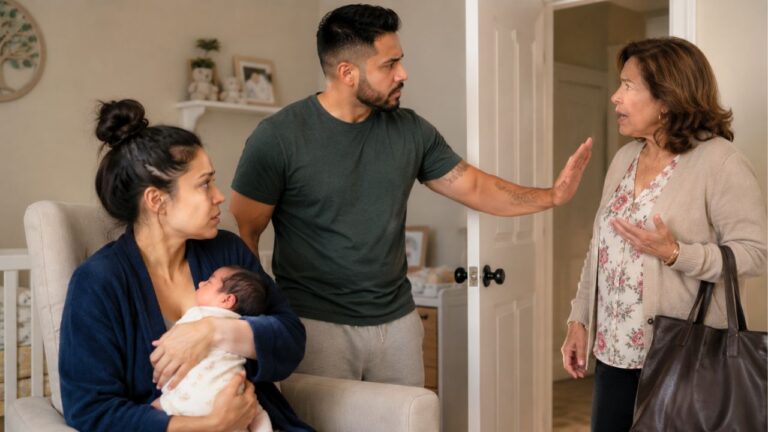
Bride Refuses a Wedding “Gift” From Her Mother-in-Law — Then Finds Out Why Everyone Warned Her

Photo credit: Farknot Architect/Shutterstock.com
A bride-to-be said she knew the $25,000 check was not really a gift.
On paper, it looked generous. Her future mother-in-law invited the couple to dinner and handed them a check to help pay for the wedding. The bride and her fiancé were not wealthy. She worked as a social worker, and he was a teacher. That kind of money could cover a major part of the wedding or even help with a house later.
But the bride could not shake the feeling that accepting it would give her future mother-in-law exactly what she wanted: control.
According to the Reddit post, the bride and her fiancé got engaged on Christmas Eve. Before the engagement, she had a great relationship with his mother and even thought of her as a second mom. But once wedding planning started, something changed.
The couple wanted a small wedding, around 50 people. They were both introverts, and the idea of a huge event sounded exhausting. They wanted close family, close friends, and people who had actually been part of their lives.
His mother had a different vision.
She insisted the wedding needed to be grand, with at least 150 guests. She did not like the bride’s simple dress inspiration and said people might think she was “just another guest.” She criticized the venue options, the catering, the size, and the guest list. She even wanted the couple to send her the guest list so she could review and approve who was invited.
The fiancé eventually told his mother to stop overstepping. He made it clear that he and his bride knew what kind of wedding they wanted and that she needed to respect their choices.
His mother responded by going quiet for weeks.
Then came the dinner invitation and the check.
The bride’s instincts immediately went off. She told her fiancé they should not cash it. She believed his mother would use the money to question every decision they made. If she wanted to add her friends to the guest list, she could say the money should help cover them. If the bride picked a simple dress, she could say the money should go toward something nicer. If they chose a small venue, she could ask what exactly her money was paying for.
Her fiancé thought she was overreacting.
He saw the check as an olive branch. Refusing it, he worried, would create a huge rift. Even the bride’s mother thought they should accept the gift. But the bride felt like she was being set up. She was afraid she would be labeled dramatic or difficult for refusing money, then boxed in later if she accepted it.
Commenters suggested a middle path: ask the future mother-in-law directly whether there were any strings attached, with the fiancé present. If she said no, they could make it clear that “no strings” meant no control, no extra guests, no dress opinions, and no wedding decisions.
The bride liked that idea.
So she and her fiancé sat down with his mother. The bride explained that she missed the close relationship they used to have, but wedding planning had become strained because his mother kept challenging their decisions. They walked through the guest count, the dress, and their preferred venue.
That venue was especially meaningful. The couple had met at a speed-dating event in a restaurant, and they wanted to hold the reception in that restaurant’s private function room. It fit about 50 people, which was exactly the size they wanted.
The future mother-in-law cried and apologized. She said she wanted everything to be perfect and was sad she never had a daughter to experience wedding planning with. She claimed she was scared of being left out.
It sounded like progress.
The couple deposited the check and moved forward.
Then their first-choice restaurant said the private room was already booked for their date.
That was disappointing, but not suspicious at first. The date was specific and could not be changed, so the couple started looking at other options. A few days later, a wedding planner called the bride and said the future mother-in-law had hired her to help with the wedding.
The bride was uneasy, but she tried to give her the benefit of the doubt again. If the planner was just helping with background admin work, maybe it could make things easier. She met with the planner, explained their small-wedding vision, and waited for venue ideas.
Then the planner sent a list of venues.
Every single one was huge. These were not intimate spaces for 50 people. They were built for 200-person receptions.
When the couple went to the first appointment, the fiancé joked that 50 guests would not need that much dance floor. The planner looked confused and said the future mother-in-law had contacted her to explain that the couple was considering expanding the wedding and would need a bigger space.
That was when the bride called her mother in tears.
Her mom got suspicious and called the original restaurant pretending to confirm a booking for her “sister.” She gave the wedding date and the future mother-in-law’s name.
That is how they found out the truth.
The future mother-in-law had booked the restaurant’s private function room out from under them. She had put down a deposit for the exact date so the couple could not use the small venue they wanted. The bride believed she did it so she could slowly pressure them into booking a larger venue and hosting the bigger wedding she had wanted all along.
The fiancé called his mother and tore into her.
He told her she was no longer involved in any part of planning. They would not work with her planner. Every vendor would be password-protected. She would attend only as a guest, and even that was hanging by a thread. No speech. No mother-son dance. If she interfered again, she would not be allowed to attend at all.
The couple returned the $25,000.
The bride decided she was going no-contact with her future mother-in-law outside the wedding day itself. She did not really want her there, but she planned to be polite during the ceremony to avoid drama. After that, she was done.
The worst part was not only the venue sabotage. It was how perfectly it confirmed the bride’s first instinct. The check was not an olive branch. It was leverage. The tears were not accountability. They were a pause before the next move.
And the future mother-in-law did not just try to influence the wedding.
She tried to block the couple from having the wedding they wanted at all.
Commenters were stunned by how far the future mother-in-law escalated. Many had expected her to use the money to push opinions or add guests, but booking the couple’s preferred venue behind their backs felt far more calculated.
A lot of people praised the fiancé for handling his mother directly once the truth came out. Commenters said his response mattered because it showed the bride would not be left alone to fight his family’s interference.
Several urged the couple to call the restaurant and explain what happened, especially in case the mother-in-law canceled later and the venue became available again. Others suggested password-protecting every vendor immediately, because someone willing to book the venue out from under them might also try to change flowers, food, music, or guest arrangements.
The biggest reaction was that the bride’s instincts were right from the beginning. She felt the money had strings attached, and the update proved those strings were not subtle. They were tied directly around the wedding she and her fiancé actually wanted.