
7 facts about women in Bible times that may surprise you
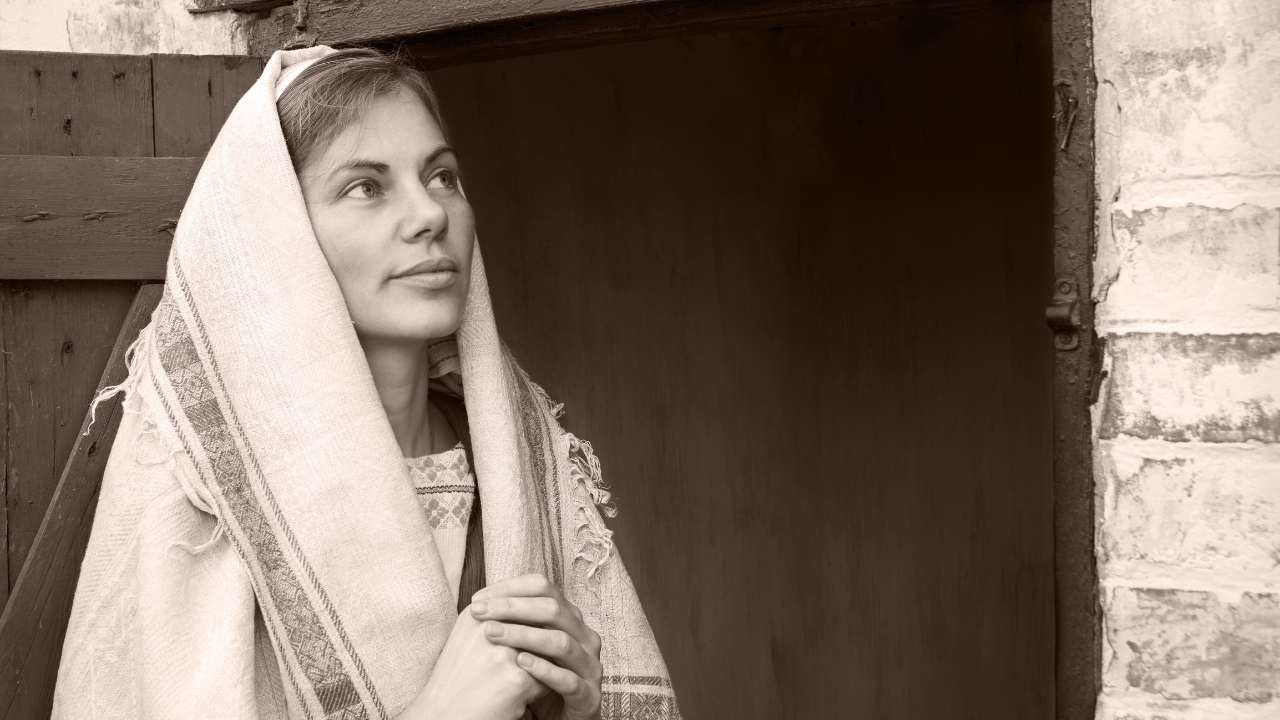
Photo credit: ArtMari/Shutterstock.com
A lot of Christians assume they already have a decent picture of what life was like for women in Bible times, but that picture is often flatter than the Bible itself. The biblical world was patriarchal, and BibleProject explicitly says the Bible’s authors wrote in the midst of a patriarchal society. But that is not the whole story. Women were often less visible in the written record than modern readers would expect, which makes it even more significant when the text pauses to show their work, courage, leadership, legal claims, or faith.
That is one reason this topic matters. If you only read the Bible with a vague idea that women in ancient Israel and the first-century world were just silent background figures, you will miss a lot. The Bible does reflect a male-dominated world, but it also preserves stories and legal moments that show women acting with real influence, laboring at the center of household life, and sometimes shaping the story in ways the men around them clearly did not. These seven facts help make that world clearer.
1. The Bible comes from a patriarchal world, so when women are highlighted, it usually matters
BibleProject says plainly that the biblical authors wrote in the midst of a patriarchal society and that women are mentioned far less in the Bible than modern readers would consider normal. That is an important starting point, because it keeps us from pretending the Bible came out of a modern social setting. At the same time, BibleProject also notes that this makes it especially significant when women are mentioned in positions of honor or importance.
That changes the way you read a lot of Scripture. When women step into the foreground, it is often doing more than adding variety to the story. It is drawing attention to something important. That is true in narratives like the women who protected Moses, in the story of Deborah, and even in the New Testament where women become the first witnesses of the resurrection. In a world where women were less frequently centered in written records, those moments stand out more, not less.
2. Women did hard, constant labor inside the household economy
A lot of modern readers hear “household life” and think mostly in terms of private domestic tasks with limited importance. But the household in ancient Israel was an economic center, not just a place to sleep. Encyclopedia.com’s overview of Israelite society says the domestic domain was predominantly female space and that women prepared food, wove textiles, tended children, and ran the household, including supervising servants in wealthier homes. Oxford University Press’s summary on women in ancient Israel adds that women were responsible for transforming raw materials into food and clothing and notes that grain grinding alone could take hours each day.
That means women’s work was not small or secondary in the way modern people sometimes imagine. Daily life depended on it. Food did not simply appear. Clothing did not simply appear. Household management was not a side activity. It was tied to survival, order, and the functioning of the family. Once you know that, Bible stories that take place around grain, flour, textiles, servants, children, and household provision feel much more substantial.
3. Women could hold real influence inside the household
Because ancient Israel was patriarchal, some readers assume women had no meaningful control over resources or decisions. That is too simple. The Oxford University Press summary on women in ancient Israel notes that women may have had significant control over a household’s material resources. Encyclopedia.com’s broader article on women also breaks out women’s economic, educational, managerial, and religious roles within household life, which suggests a more active and substantial place than many stereotypes allow.
That helps explain why women in Scripture can sometimes act decisively inside their households and why their words or actions can change outcomes in major ways. Abigail is a good example. Britannica says Abigail was the wife of Nabal and later one of David’s wives, and her story in 1 Samuel 25 makes much more sense when you realize women could exercise real judgment and initiative in household matters. She is not merely a passive bystander in the narrative. She acts with discernment and helps prevent disaster.
4. Women were not absent from religious life
Another common misconception is that women in the Bible were religiously invisible. Encyclopedia.com’s survey of women includes women’s religious roles within household life, and the broader biblical record preserves women acting as prophets, singers, leaders, and covenant participants. Britannica’s entry on Miriam identifies her as “the prophetess,” and its entry on Deborah describes her as both prophet and heroine who inspired Israel to victory.
That matters because it keeps us from reading the Bible as though only men carried visible spiritual weight. Miriam is not a footnote. Deborah is not a token exception tossed into the story for color. Their presence shows that women could be remembered in Israel’s tradition as spiritually significant figures. When Scripture names women this way, it is not doing something accidental. It is preserving their role in the life of God’s people.
5. Some women in Scripture directly shaped the law and inheritance story of Israel
One of the most surprising things in the Pentateuch is that women are not only affected by the law. In at least one important case, they become the reason new legal clarity is given. BibleProject’s podcast episode on Numbers highlights the daughters of Zelophehad and frames their case as five women asking for the right to inherit land. That is a striking moment because it shows women bringing a legal issue forward and receiving a response that affects Israel’s inheritance practice.
That matters for how you read the Old Testament law. It shows that women are not always merely passive subjects under a fixed system. At times, the story preserves women speaking into a legal question with enough force that their case becomes part of Israel’s scriptural memory. That should make readers slower to flatten biblical women into a single stereotype of silence or total invisibility.
6. The Bible remembers women in both household and public roles
Encyclopedia.com’s article on women in the biblical period separates women’s household life from women outside the household, which is useful because it reminds readers not to collapse everything into one category. Much of women’s labor happened in the household sphere, but the biblical record also remembers women in public, political, and symbolic ways. Figures like Deborah, Jezebel, the Queen of Sheba, and Bathsheba are all evidence that women could also appear in the public and royal world, even though their experiences and legacies were very different.
That means the Bible’s world was not arranged so simply that “men were public and women were private” with no overlap at all. There was a gendered distinction, yes, but the biblical record is more textured than that. Some women are remembered for domestic strength and wisdom. Others are remembered because they influenced kings, nations, succession, worship, or crisis moments. Reading the Bible well means noticing both.
7. The New Testament’s treatment of women often stands out more once you know the culture
BibleProject says the patriarchal nature of the Bible’s world makes it especially significant when women are placed in positions of honor, and it specifically mentions the women who were the first to encounter the resurrected Jesus. That observation matters because in a male-dominated culture, those kinds of narrative choices are not meaningless. They become more striking when you realize the broader social setting they are happening inside.
That means the presence of women around Jesus, and especially in resurrection accounts, should not be skimmed past. The New Testament is not suddenly becoming modern in the twenty-first-century sense, but it is preserving moments that would have carried real weight in that world. Knowing the culture does not make those passages less powerful. It makes them more surprising and more significant.
Why this helps the Bible read more honestly
When readers come to Scripture with a vague, flattened picture of women in Bible times, they usually end up missing both sides of the truth. They either soften the patriarchy too much or act like women in the Bible had no meaningful presence at all. The real picture is more textured. The Bible came from a patriarchal world, but it also preserves women’s labor, courage, influence, legal claims, leadership, and faith in ways that matter.
That is why this kind of context is helpful for believers. It does not force Scripture into a modern mold, and it does not flatten women into background scenery either. It helps you read the Bible more honestly, which usually makes it feel more alive and more human at the same time.