
7 facts about the temple that make the Bible make more sense
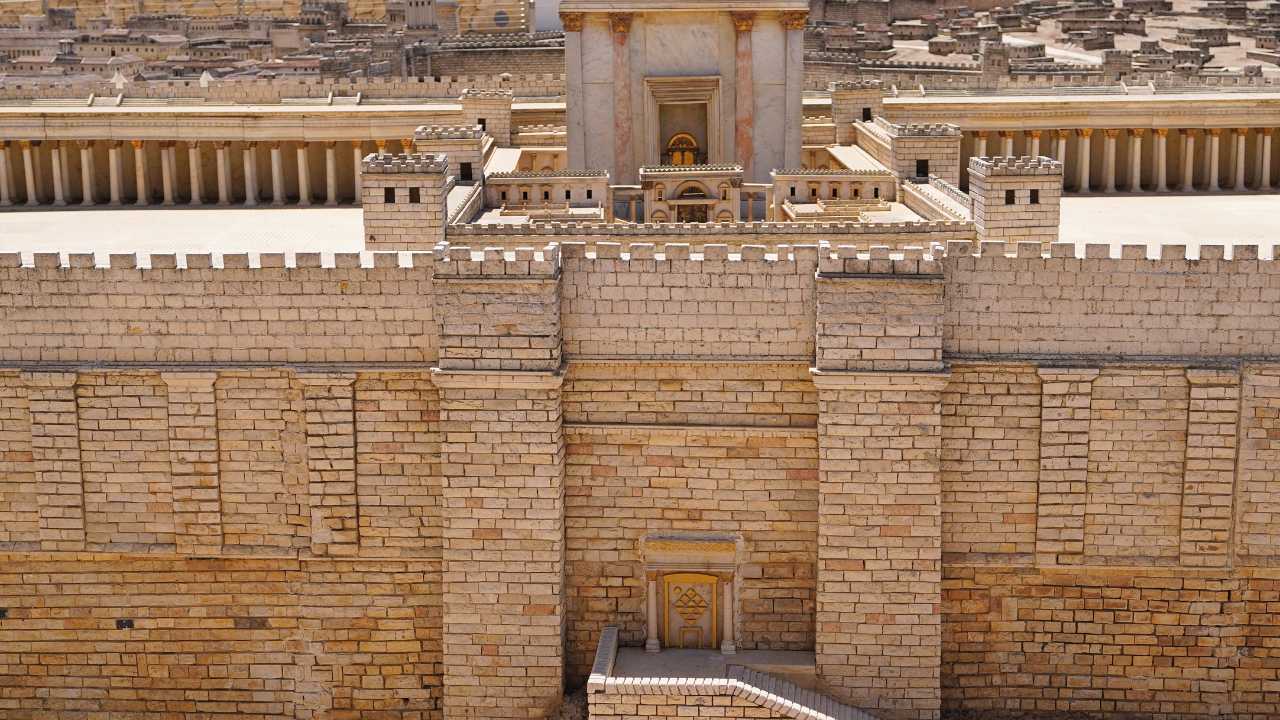
Photo credit: Teo K/Shutterstock.com
The Temple is one of those Bible words a lot of Christians recognize without always fully feeling the weight of it. We know it matters. We know Jesus went there. We know sacrifices happened there. We know its destruction was a huge deal. But sometimes modern readers still imagine the Temple as something like a bigger version of a church building, and that is just too small. In the Bible, the Temple sits at the center of worship, holiness, priesthood, sacrifice, national identity, and the hope of God dwelling with His people. When you understand the Temple better, huge parts of both the Old and New Testaments start making more sense.
That is why Temple context matters so much. It does not just help with a few verses. It changes how you read kings, prophets, Psalms, the Gospels, Acts, and Hebrews. These seven facts are some of the most helpful starting points.
1. The Temple was about God dwelling with His people
One of the biggest things to understand is that the Temple was not only a place where people came to worship. It was about the presence of God. BibleProject explains that the tabernacle — and later the Temple — represented the place where God’s space and human space overlapped, and says that God instructed Moses to build a tabernacle that reflected His dwelling place. That means the Temple was not just useful religious real estate. It was tied to one of the Bible’s biggest themes: God making His dwelling among His people.
That changes the way you read so many passages. The Temple is not merely where religious activity happened. It symbolized a restored meeting place between a holy God and His people. Once you see that, the Ark, the priesthood, the sacrifices, and the deep concern over holiness all start fitting together better. The Temple is not just about ritual. It is about presence.
2. The Temple grew out of the tabernacle, not out of nowhere
A lot of readers start thinking about the Temple in Kings or the Gospels, but the story really begins with the tabernacle. BibleProject notes that the tabernacle was built so God could dwell with Israel in the wilderness, and that it mirrored His heavenly dwelling place. The Temple later becomes the more permanent development of that same idea.
That matters because it means the Temple is not a random later invention. It is part of a bigger biblical pattern. First God dwells with His people in the tabernacle, and then that pattern becomes more fixed and central in Jerusalem. When you understand that, the Temple becomes easier to read as part of the Bible’s larger story of God drawing near to His people and making holy space among them.
3. Solomon’s Temple and the later Temple are not exactly the same thing
This is one place a lot of readers get blurry. The Temple of Jerusalem can refer to more than one phase in biblical history. Britannica’s Temple of Jerusalem material distinguishes between the earlier temple associated with Solomon and the later temple that stood in the Second Temple period. That matters because the prophets, the postexilic books, and the Gospels are not always talking about exactly the same historical building phase.
This helps a lot when you are reading across the Bible. The Temple David wanted, Solomon built, Babylon destroyed, exiles longed for, later generations rebuilt, and Herod greatly expanded all belong to one broad Temple story, but not one single uninterrupted building in the same condition. Once you know that, references to the Temple in different books stop blurring together as much.
4. The Temple stood at the center of sacrifice and priestly life
The Temple was the place where priests served and where sacrifices were offered in a structured, serious way. BibleProject’s Leviticus guide emphasizes how much priestly holiness mattered in relation to God’s presence, and its temple and priesthood materials show that sacrifice and mediation were not side issues. They were built into how Israel approached a holy God.
That changes the way you read the Old Testament. Sacrifices are not random religious oddities. Priests are not just ceremonial staff. Temple worship was part of the sacred life of Israel before God. This is also why Hebrews makes so much more sense once you understand the Temple world. Hebrews is not using priesthood and sacrifice as decorative language. It is drawing on the real system that shaped Israel’s worship life.
5. The Temple was also a symbol of national and covenant identity
The Temple was not only about private spiritual experience. It stood near the center of Israel’s shared life as a people. Festivals, pilgrimage, priestly leadership, and covenant identity all gathered around it. Even Britannica’s Temple material, though broad, reflects how central Jerusalem’s Temple was in Jewish history and memory.
That helps explain why the Temple’s destruction was so devastating, why the prophets speak about it so intensely, and why later hopes for restoration are often tied to it. If you imagine the Temple as only a personal devotional space, you will miss how much national grief, covenant faithfulness, and communal hope were bound up with it. The Temple mattered because Israel’s life with God was not merely private. It was corporate and covenantal too.
6. By Jesus’ day, the Temple still carried enormous weight
By the time you get to the Gospels, the Temple is still loaded with meaning. It is one reason Jesus’ actions there hit so hard. If the Temple is the center of holiness, worship, sacrifice, and national identity, then cleansing it, teaching there, predicting its downfall, and presenting Himself in relation to it are all massively significant. BibleProject’s “When Heaven Meets Earth” episode even says Jesus saw Himself as a new temple, which shows how central Temple theology remains in the New Testament.
This helps so many Gospel scenes. Jesus is not just walking through a sacred tourist site. He is moving inside the heart of Jewish religious life. That is why Temple debates matter, why the leaders are so tense, and why the disciples react strongly to Temple language. The Temple still stood at the center of the sacred imagination of Jesus’ world.
7. The Temple points beyond itself in the New Testament
One of the most important things to see is that the Temple is not the last stop in the Bible’s story. The New Testament keeps reworking Temple language around Jesus and His people. BibleProject’s heaven-and-earth and temple materials explain that the Temple represents the overlap of God’s space and human space, and then they trace how that theme moves toward Jesus and ultimately the people of God.
That means once you understand the Temple properly, you can understand the New Testament more deeply too. Jesus talking about His body, the tearing of the veil, the Spirit dwelling in believers, and the church being described with Temple language all land differently. The Temple makes the Bible make more sense not only because it matters in the Old Testament, but because it becomes part of how the New Testament explains Jesus and the church.