10 facts about Jerusalem that help explain key moments in Scripture
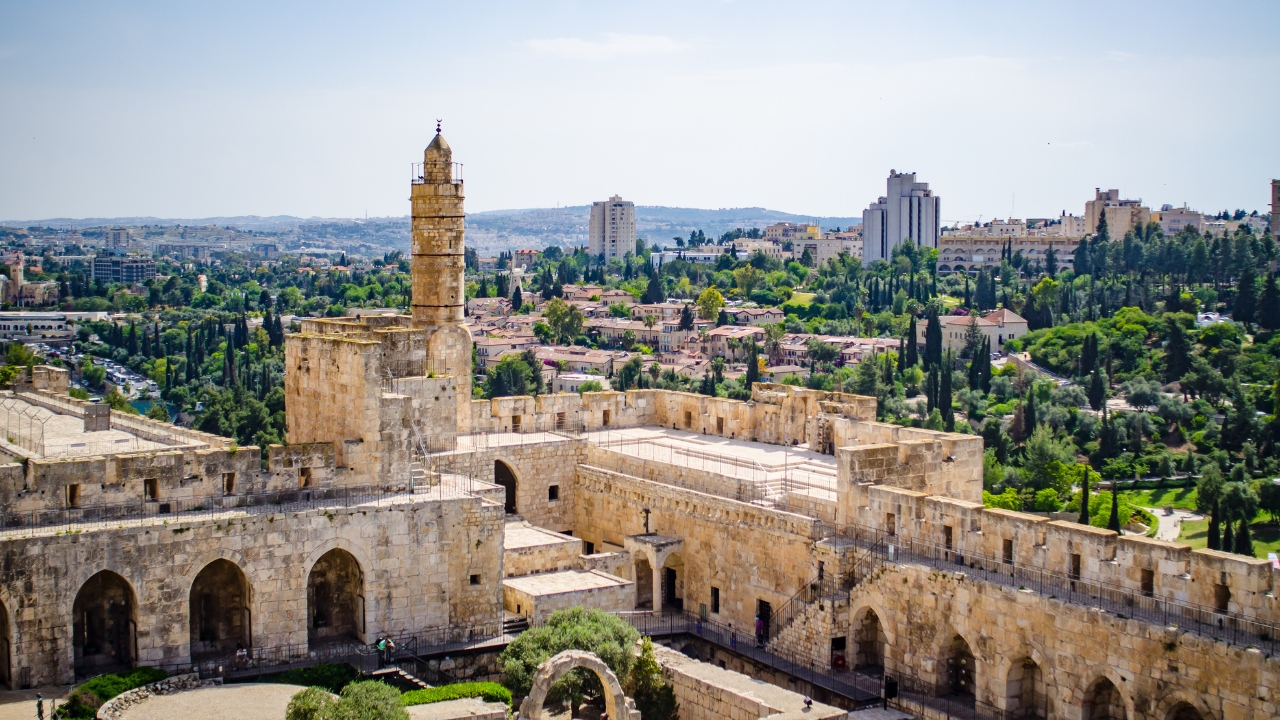
Photo credit: Dan Rata/Shutterstock.com
Jerusalem is one of the most important places in the whole Bible, but it can still feel a little blurry for modern readers. We know it matters. We know David took it, Solomon built there, prophets spoke about it, Jesus taught there, died there, and rose near there. But sometimes all of that gets flattened into one generic idea of “the holy city.” The problem is that Jerusalem is not just a holy backdrop. It is a real city with a history, a politics, a geography, and a role in the Bible that keeps growing over time. The more clearly you can picture Jerusalem, the more clearly a lot of Scripture starts making sense.
That is why this context matters so much. Jerusalem is not important in only one way. It becomes a royal city, a worship center, a symbol of God’s presence, a place of judgment, and later a key setting in the life of Jesus and the early church. These ten facts help explain why so many key moments in Scripture are tied to this one city.
1. Jerusalem was not always Israel’s obvious center
A lot of readers instinctively imagine Jerusalem as if it had always been the unquestioned center of Israel’s life. It was not. Britannica explains that David captured the Jebusite stronghold of Jerusalem and made it the seat of a national monarchy, which means Jerusalem’s central role is tied closely to David’s reign rather than being Israel’s fixed center from the very beginning. Britannica’s article on Zion says the eastern hill of ancient Jerusalem was the site of the Jebusite city David captured in the 10th century BCE.
That changes how you read David’s story. When David takes Jerusalem, he is not just moving into a pretty city with spiritual vibes already attached. He is making a strategic and symbolic choice that reshapes Israel’s identity. Once Jerusalem becomes the royal capital, later developments — bringing the ark there, building the Temple there, and tying covenant hopes to that city — all start to make more sense.
2. David made Jerusalem royal before Solomon made it temple-centered
David and Solomon are often mentally merged together when people think about Jerusalem, but their roles in the city are not identical. Britannica notes that David established Jerusalem as the seat of the national monarchy, while the Temple was built during the reign of his son Solomon and completed in 957 BCE. So David’s Jerusalem is first a royal city, and Solomon’s Jerusalem becomes both royal and temple-centered.
That distinction helps a lot. It explains why David bringing the ark to Jerusalem matters so much and why Solomon’s Temple becomes such a turning point. The city is first politically central and then becomes the primary place of sacrifice and worship in Judah. That shift is one reason Jerusalem becomes so loaded in the Bible. It is not only where the king rules. It is where God’s name is tied to Israel’s worship in a unique way.
3. Zion first referred to a real hill and fortress, not just a poetic spiritual idea
“Zion” can sound very spiritual and symbolic to modern ears, but Britannica says Zion originally referred to the easternmost of the two hills of ancient Jerusalem and was the site of the Jebusite city captured by David. In other words, Zion begins as a real place before it expands into a richer theological symbol.
This matters because biblical language about Zion is not floating free from geography. When Psalms and prophets speak of Zion, that language grows out of an actual city and actual hill tied to David’s conquest and royal rule. Over time, “Zion” becomes bigger than the physical location, but it never fully loses that rootedness. Knowing that helps familiar passages about Zion feel less vague and more grounded in real history.
4. Jerusalem became the only legitimate place of sacrifice in Judah
Britannica’s Temple of Jerusalem article notes that although other sanctuaries had existed, Josiah later established the Temple of Jerusalem as the only place of sacrifice in the Kingdom of Judah. That is a huge historical detail because it means Jerusalem’s role as worship center became more exclusive and centralized over time.
That changes how you read Kings, Chronicles, and the prophets. Jerusalem is not merely one holy site among many. It becomes the central place where faithful worship is supposed to be directed in Judah. So when kings restore Temple worship or corrupt it, the issue is not small. When prophets speak about Jerusalem’s sins, they are speaking about the city that should have represented covenant faithfulness most clearly. And when people travel there for feasts and sacrifice, they are moving toward the center of Judah’s sacred life.
5. Jerusalem was both beloved and heavily criticized in Scripture
One thing people miss is that Jerusalem is not treated in only one emotional key in the Bible. BibleProject’s “Jerusalem: A Tale of Two Cities” summary says Israel was meant to be a picture of God’s city, but over time Jerusalem began to look more like rebellious cities such as Babylon, Nineveh, and Sodom in its injustice and corruption. That means Jerusalem is both cherished and rebuked in Scripture.
That helps explain why prophetic books can sound so intense about the city. Jerusalem is not only the city of David and the Temple. It is also the city where injustice, idolatry, and hypocrisy can become especially offensive because of all it was meant to be. Once you understand that tension, prophetic language about Jerusalem stops feeling inconsistent. The city is loved precisely because it matters so much, and it is judged precisely because it carries that weight.
6. Jerusalem had a long physical history before and beyond David
Britannica’s Jerusalem history article says excavations in the Ophel and City of David area have revealed evidence of settlement dating to the 4th millennium BCE, along with Canaanite and early Hebrew settlements. That means Jerusalem did not appear out of nowhere when David arrived. It already had a much older history as a settled place.
This is helpful because it keeps biblical history connected to a real urban landscape with layers. The Bible’s Jerusalem is part of a city that had prior inhabitants, fortifications, contested spaces, and deep roots in the land. That gives extra weight to David’s capture of it and to the later archaeological and historical complexity of the city. Jerusalem’s significance in Scripture grows over time, but it grows in a place with a real and already ancient past.
7. The Temple Mount is one of the reasons Jerusalem carries so much biblical weight
Britannica’s Old City of Jerusalem article says the Temple was first constructed during Solomon’s reign as an abode for the Ark of the Covenant, and that portions of the original supporting walls still stand on three sides of the Temple Mount. It also notes that the Western Wall later became Judaism’s holiest shrine during periods when Jews were excluded from the Temple Mount.
This matters because it reminds you that Jerusalem’s holiness is not abstract. The city’s importance is tied in part to a particular elevated sacred space where the Temple stood. That helps you picture why Jesus’ actions there mattered so much, why later Jewish memory remained tied to the site, and why Jerusalem’s significance endured even after the Temple itself was gone. The city’s biblical gravity is deeply connected to the Temple Mount and what it represented.
8. Jesus’ final week makes more sense when you see Jerusalem as loaded ground
By the time of Jesus, Jerusalem was already carrying centuries of royal, prophetic, and temple meaning. BibleProject’s city guide says David chose Jerusalem as the capital city and that when David brought the throne of God’s presence there, Jerusalem became an image of God’s city. That means when Jesus enters Jerusalem, teaches there, confronts Temple corruption, and is crucified there, none of that is happening on neutral ground.
This changes the way you read the final chapters of the Gospels. Jesus is not simply going to a large city because it is convenient. He is stepping into the city most loaded with Israel’s hopes, failures, worship, and identity. His teaching there, His lament over the city, and His death there all become more significant when you understand what Jerusalem already meant to the biblical story before He arrived.
9. Jerusalem is central in Acts too, not just in the Gospels
Christians often think of Jerusalem mainly as an Old Testament city or as the setting for Jesus’ death and resurrection, but it stays central in Acts. The early church begins there. The apostles preach there. Major conflict and growth happen there. That fits the city’s broader biblical role as a place where key turning points in God’s story keep converging. BibleProject’s broader treatment of Jerusalem as a city in the Bible helps here by showing how the city continues carrying symbolic and narrative importance beyond a single era.
This makes Acts easier to picture. The church is not born in some disconnected rural setting. It begins in the city already known for David’s throne, the Temple, pilgrimage crowds, prophetic promises, and covenant tension. That gives Pentecost and the early preaching in Acts much more force. Jerusalem is still functioning as a hinge city in God’s story.
10. Jerusalem becomes a theological symbol because it was first a real city
BibleProject’s city and temple resources trace how Jerusalem becomes a bigger biblical image of God’s dwelling and God’s purposes, but that symbolism grows out of a real place chosen, captured, built, judged, and remembered in history. The city is not meaningful only because later readers spiritualized it. It became symbolic because of what happened there across the biblical story.
That is one of the biggest reasons Jerusalem helps explain key moments in Scripture. It is at once historical and symbolic, political and sacred, beloved and rebuked. Once you see that, so many passages start connecting. Jerusalem is not just where things happen. It becomes one of the Bible’s great lenses for understanding kingship, worship, judgment, hope, and ultimately God’s presence with His people.
Why this helps the Bible feel clearer
A lot of believers know Jerusalem matters but do not always know why it matters in so many different ways. That is what makes the city easy to flatten. But once you understand its history, its royal role, its temple role, and its symbolic place in the story, the Bible often gets much easier to follow.
And honestly, that is one of the best things context can do. It does not make Scripture less spiritual. It helps you see that the Bible’s most meaningful places were also real places — and that the meaning grew precisely because God kept working in history there.