Woman Says She Finally Set a Boundary With Her Parents — and They Showed Up at Her Door Demanding Answers
Photo credit: BearFotos/Shutterstock.com
One woman says the moment she finally tried to draw a line with her parents, they reacted exactly the way she had always been afraid they would. In the Reddit post, she explained that she had been working through years of manipulation in therapy and had recently started recognizing how often guilt had been used to keep her in line. She described growing up hearing the same long stories about how hard her parents’ lives had been, how much they had sacrificed, and how deeply she owed them in return. Over time, she said, that turned into a role where her job was not just to love them, but to constantly reassure them, help them with everything, and never challenge the story they wanted told about the family.
That is what made the boundary feel so huge. From the outside, it might have looked like one adult child deciding to pull back a little. But from her side, it was much bigger than that. She said she had spent years feeling like her choices, emotions, and even future were tied up in whether her parents felt obeyed and appreciated enough. In one of the quoted sections from earlier posts, she wrote that she had basically been conditioned to believe if she did not do what they wanted, the entire family would fall apart. So when she finally set a limit and refused to keep playing along, the panic hit hard and fast.
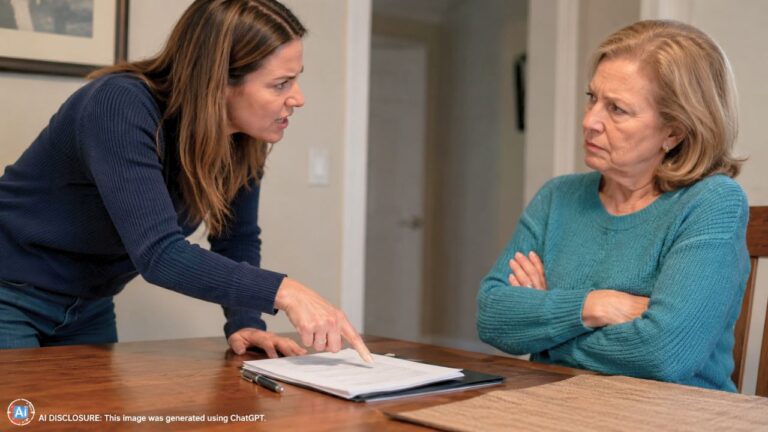
Then came the part that made readers’ stomachs drop. She wrote that after setting the boundary, her parents decided to make the four-hour drive to her home because she had “hurt them” and now needed to explain herself. That detail changed the whole mood of the story. This was no longer just guilt-trippy texting or passive-aggressive family pressure. It was a physical escalation. She said she felt like all of her therapy progress disappeared from her brain the second she realized they were on the way, which a lot of readers immediately understood. When someone has spent years making your boundaries feel dangerous, even a simple act of holding the line can send your whole nervous system into panic mode.
What happened next is probably why the story hit people so hard. In her update, she said her parents did show up, but her partner came home and dealt with them outside, managing to get them to leave. Afterward, she went to stay with a friend for the weekend and said that if the behavior continued, they were considering legal action. That was the moment a lot of readers felt the real shape of the story come into focus. This was not “strict parents” being emotional. This was a pattern of control getting challenged and then immediately trying to force its way back in.
The later update made it even uglier. She said her father sent angry messages attacking her partner and warning that when her partner eventually left her, she would have “nobody” but her family. Then, in the same breath, he still offered to be “open” to hearing from her if she would call and explain herself. That kind of message got people talking because it says so much without meaning to. It was not really about wanting understanding. It was about punishing her for stepping out of the role they had built for her, then leaving a tiny door open in case fear pushed her back through it. A lot of readers recognized that pattern instantly.
What made the story especially resonant is that it was never only about one confrontation. The BORU post included earlier writing from her that showed how deep the pattern went. She talked about being expected to help with everything, feeling constant guilt for getting normal parental support, and realizing through friends that not everyone’s parents turned their sacrifices into a debt their children had to keep paying forever. That is why the four-hour drive mattered so much. It was not random. It fit a much longer story where any move toward independence got treated like betrayal.
By the end, the woman said therapy and support from others had helped her see the backlash for what it really was. That part felt important because it showed the story was not just about fear. It was also about clarity. Once she stopped treating their reaction as proof she had done something wrong, the whole thing looked different. Their anger stopped looking like authority and started looking like panic over losing control. Have you ever had someone react so badly to a simple boundary that it made you realize the boundary was needed even more than you thought?