Woman Says Her Husband’s Paternity Test Came Back Positive — But Their Relationship Was Never the Same After He Asked
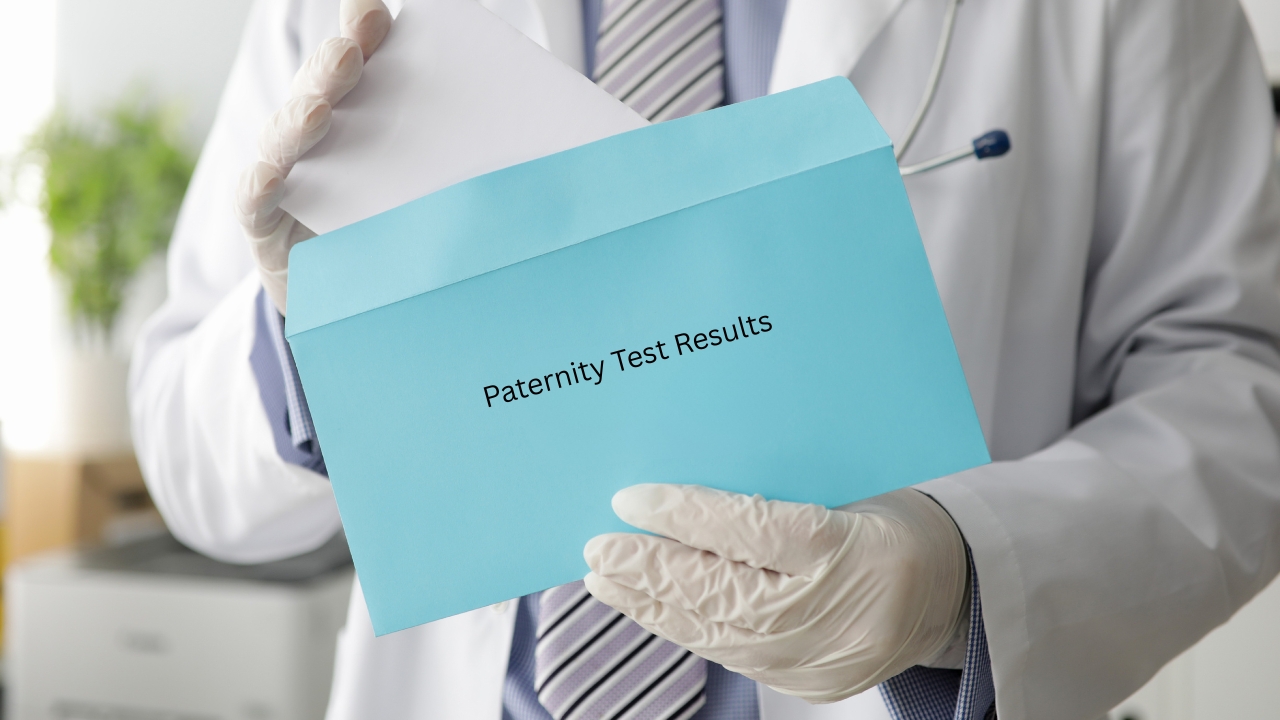
Photo credit: H_Ko/Shutterstock.com
A woman says her husband asked for a paternity test after their baby was born, and even though the results proved exactly what she already knew, the damage did not magically disappear.
In a Reddit post, the poster shared an update after her husband questioned whether their baby was really his. She was 24, he was 31, and they had a newborn together. What should have been a tender, exhausting, messy new-parent season had turned into something much heavier.
Her husband had asked for a paternity test.
That alone would have been painful enough, but the way he handled it made everything worse. According to the poster, he did not frame it like a calm conversation about fear or insecurity. He acted like his doubt was something she needed to fix for him. She was the one who had just given birth. She was the one recovering. She was the one caring for a newborn. And suddenly, she was also expected to prove she had not betrayed him.
The baby was his. She knew that.
But there is something brutal about being asked to prove the obvious by the person who is supposed to trust you most. It turns a happy moment into a trial. It takes the birth of your child and drags suspicion right into the middle of it.
The poster eventually agreed to the test. Not because she thought he had a good reason, but because she knew what the result would say. The baby was his, and the test came back confirming it.
But that did not fix things.
Her husband may have gotten the answer he wanted, but the poster was left with a different problem: now she knew he had believed she was capable of cheating, getting pregnant by someone else, and letting him raise the baby as his own. A positive test result could prove paternity. It could not erase the accusation.
That is where the story really sat. Not in the result, but in what came after it.
The poster said she was struggling to move past it. She still loved him, and this was their child’s father, but she could not just pretend the question had not changed something. Every apology had to compete with the fact that he had doubted her at one of the most vulnerable times in her life.
And that is the part people sometimes miss with these stories. The paternity test is not only a piece of paper. It is the message underneath it. It says, “I think there is a chance you lied to me about our baby.” For a lot of people, that is not a bell you can unring.
Her husband seemed to want the relationship to go back to normal after the results came in. From his side, the uncertainty was over. From hers, a new uncertainty had started. If he could think that about her without real evidence, what else could he believe? If he could turn one of the biggest moments of their lives into an accusation, how safe was she emotionally in the marriage?
The poster was not writing like someone who wanted a dramatic ending. She sounded hurt, tired, and confused. She had the proof. She had the result. But she did not have the same marriage she had before he asked.
Commenters understood why she could not simply move on.
A lot of people said the husband seemed to think the test result would close the issue, when really it opened a bigger one. The baby being his did not answer why he doubted her in the first place. It did not explain why he believed she might have cheated. It did not make her feel respected during pregnancy or postpartum.
Several commenters said they would have a hard time forgiving a partner who asked for a paternity test without a real reason. Not because men should never have certainty, but because in a committed marriage, accusing someone of that level of betrayal is serious. If you make that accusation, even quietly, you should expect consequences.
Others said counseling would be the only way forward if she wanted to stay. They said he needed to understand that “I was wrong” was not enough. He needed to explain what led him there, why he thought so little of her character in that moment, and how he planned to rebuild trust after making her feel like a suspect instead of a wife.
Some commenters were blunter. They said if the test came back positive, they would hand over the results and start planning their exit. To them, the accusation was too big, especially with a newborn involved. They felt the husband had turned a fragile, intimate time into something humiliating and lonely.
A few people tried to give him more grace. They said some men are terrified by stories they see online or pressure from family and friends, and maybe he spiraled. But even those commenters usually agreed that fear does not make the hurt disappear. If someone lets fear drive them into accusing their spouse, they still have to own what that did.
The most common reaction was that the poster had every right to feel changed by it.
Because by the end, this was not about whether the baby was his. The test answered that. The harder question was what she was supposed to do with the knowledge that her husband had needed a lab report to believe her.