New Mom Asked People To Wash Their Hands — Then One Relative Made It a Family Fight
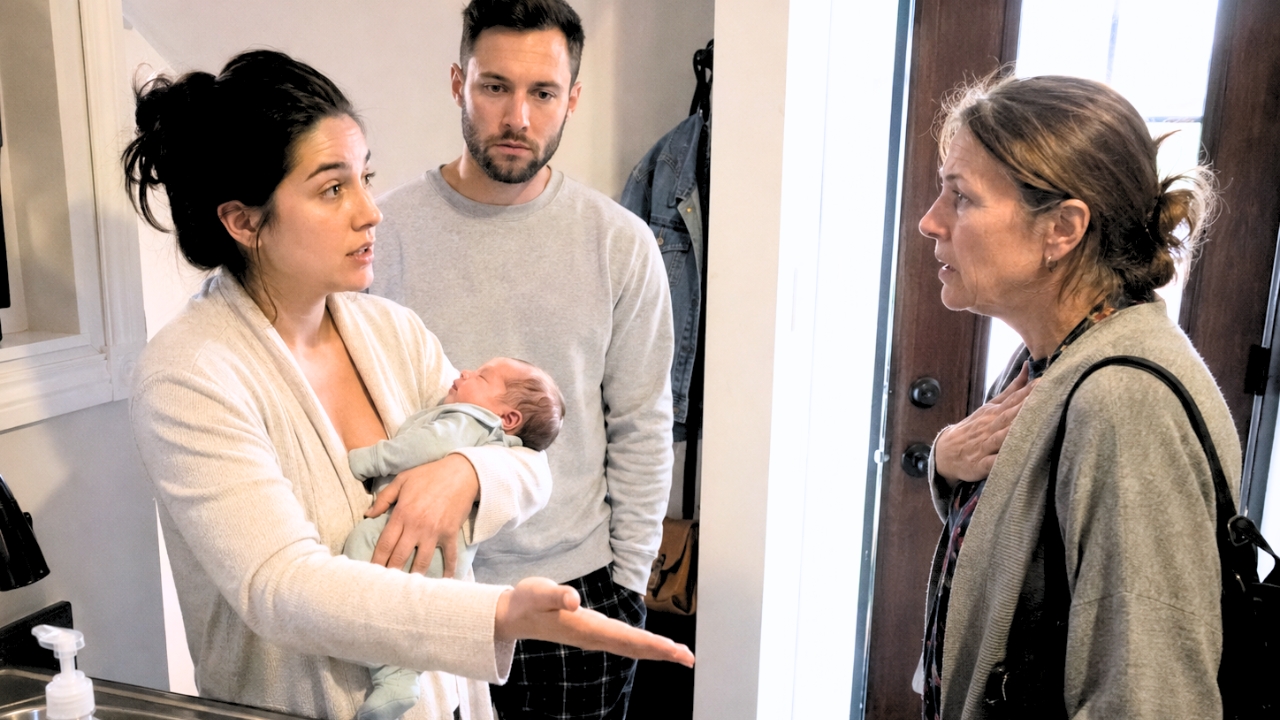
By the time the baby was two weeks old, the hand sanitizer had a permanent spot by the front door. The new mom wasn’t trying to be dramatic. She was recovering, running on broken sleep, and trying to keep a tiny newborn away from every germ that walked in from the outside world.
So when relatives started stopping by to meet the baby, she kept the same routine for everyone: shoes off if they were comfortable, no kissing the baby, and a quick hand wash before holding. Most people nodded, went straight to the sink, and moved on.
One relative didn’t.
A simple request turned into a test of control
The first time the mom asked her husband’s aunt to wash up, the aunt laughed it off and waved her hand like it was nothing. She’d “just washed at home,” she said, and reached toward the baby anyway. The mom stepped back, not rude but firm, and pointed toward the bathroom.
The aunt’s face changed. She didn’t shout, but the mood snapped. She muttered that she wasn’t “dirty” and that nobody had ever asked her to do that before. The mom repeated the rule, adding that the pediatrician had been clear about visitors and newborns.
That should have been the end of it. Instead, the aunt washed her hands with a dramatic amount of noise, then spent the rest of the visit making pointed comments about “first-time parents” and “how people get too precious.”
After she left, the mom figured it was an awkward moment they’d all forget. She underestimated how quickly family stories get rewritten.
The group chat made it a family-wide argument
Later that night, the husband’s phone started buzzing. A family group chat lit up with messages: the aunt was upset, felt “disrespected,” and claimed she’d been treated like a health hazard. She framed the whole thing as the new mom “ordering people around” and using the baby as leverage.
By morning, the mom had texts from two cousins asking if she was “going to make everyone do a whole decontamination routine.” A grandparent called and suggested the mom was being anxious and needed to “relax.” Someone else offered a compromise that visitors could use hand sanitizer instead, like it was a negotiation.
The mom and her husband tried to answer calmly. They explained that handwashing wasn’t a personal comment. It was a blanket rule for anyone who wanted to hold the baby. The more they explained, the more the argument shifted from health to pride.
That’s when the aunt raised the stakes: she told the family she wouldn’t come back until she got an apology.
The next visit escalated into a doorstep standoff
A few days later, the husband’s parents arrived with the aunt in tow. They hadn’t asked. They didn’t warn the couple ahead of time. They showed up like it was a normal visit, except the aunt stayed near the porch, arms crossed, waiting.
The husband stepped outside to talk before anyone came in. He said the rule was still the rule and asked everyone to respect it. His mom tried to smooth it over, saying they “just wanted peace,” and suggested they all wash later because the baby was asleep anyway.
The new mom stayed inside, listening from the hallway, already feeling her chest tighten. She didn’t want a fight on her doorstep. She also didn’t want to reward a surprise pressure campaign two weeks postpartum.
When the aunt insisted she would not wash her hands “on command,” the husband said they couldn’t come in. The aunt took that as a public insult. Voices got louder. A neighbor across the street paused while bringing in groceries, clearly noticing something was off.
The aunt stepped down from the porch and called another relative on speaker, narrating the situation like she was gathering witnesses. The husband’s mom started crying. The dad got angry, blaming the couple for “turning family away.”
In the end, nobody came inside. The driveway visit ended with slammed car doors and a message later that night accusing the couple of keeping the baby from family.
Practical consequences hit fast: visits, childcare, and money
The fight didn’t stay emotional. It became logistical. The husband’s parents had offered to help with groceries and occasional childcare once the mom’s maternity leave ended. After the doorstep blowup, that offer got shaky. Instead of asking what they needed, relatives started asking when the mom would “stop with the rules.”
The new mom also had a health follow-up appointment, and the plan had been for a grandparent to drive her because she wasn’t comfortable driving yet. That ride suddenly came with strings attached. The implication wasn’t subtle: cooperation would be rewarded, boundaries would be punished.
Meanwhile, the aunt kept calling different relatives to retell the story. Each version got a little sharper. In one telling, the new mom “snatched the baby away.” In another, she “shamed” the aunt in front of everyone. The mom realized that if anything worse happened later—someone showing up uninvited again, or a bigger confrontation—she’d want a record of what was actually said and done.
So she saved messages, took screenshots, and asked her husband to keep conversations in text when possible. It wasn’t about winning. It was about not being gaslit by a family narrative that changed every time it was repeated.
The couple tried to de-escalate without giving in
The husband called his parents privately. He told them he wanted them involved, but the boundary wasn’t optional. He offered an easy reset: come by, wash hands, no comments, no drama. He also made it clear that surprise visits with extra people wouldn’t be happening again.
His parents didn’t love it, but they listened. The bigger issue was the aunt, who kept insisting on an apology as the price of returning to normal. The mom’s view was simple: if she apologized for asking someone to wash their hands, she’d be apologizing for parenting.
The couple made a new plan. They would schedule visits in advance, keep them short, and meet outdoors when possible. If someone couldn’t follow the rules, they could still see the baby from a distance, but they wouldn’t hold them.
They also installed a basic doorbell camera. Not because they expected a break-in, but because too many family members had already shown they were comfortable arriving unannounced and turning a private moment into a public scene.
People focused on proof, boundaries, and safety over feelings
As the situation circulated among friends and extended family, reactions split into two camps. Some people treated handwashing like a personal preference that should be flexible to keep peace. Others saw it as a basic, low-effort request that should never have become a power struggle.
The practical-minded people emphasized documentation. Keep everything in writing. Don’t argue in circles. If someone is trying to force access to the baby, make the rules clear and repeat them without adding new explanations. The more explanations you give, the more material there is to twist.
Several people also suggested a “universal script” for visitors. The same sentence every time, no matter who it is. Not a debate, not a judgment—just the house rule. And if someone refuses, the visit ends politely and immediately.
A few raised a harsher point the couple hadn’t wanted to consider: if a relative is willing to cause a loud confrontation over something this small, it’s worth thinking about what they might do later if they’re told no about bigger things.
In the weeks after, the aunt stayed away, and the husband’s parents visited cautiously, washing their hands without comment. The tension didn’t disappear, though. It just settled into a new shape, where every holiday and milestone came with the unspoken question of whether someone would try to turn basic newborn safety into another family showdown.