Maid of Honor Drops Out Over a $200 Airbnb Fee — Then the Bride Shows Up at 4 A.M. With a Black Eye
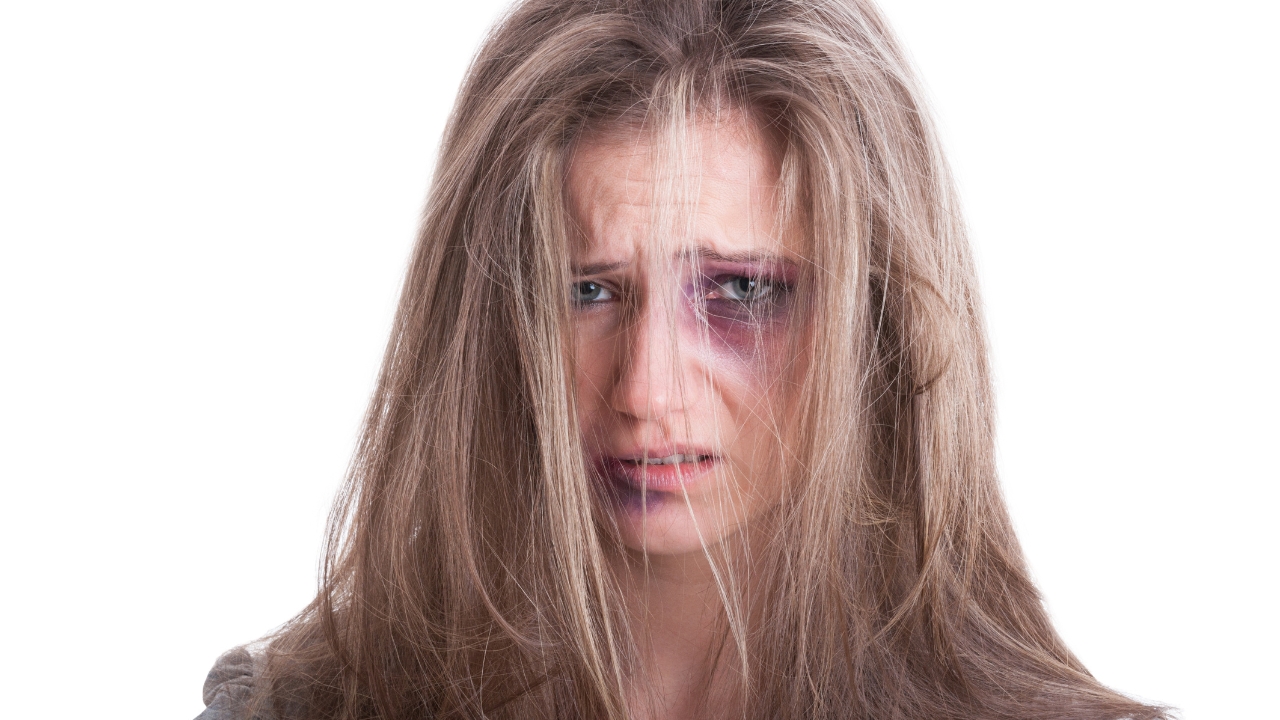
Photo credit: Pop Paul-Catalin/Shutterstock.com
A stay-at-home mom said she was thrilled when her best friend showed up at her door and asked her to be maid of honor.
The friendship was not the kind where they spent every weekend together. They met at work about four years earlier, and while they mostly saw each other there, the bond mattered. They texted about crafts and pets, checked in when they could, and understood each other’s low-social-energy way of staying close. When the bride, Maggie, asked her to stand beside her at the wedding, she said yes immediately.
Then she did the responsible thing.
According to the Reddit post, the woman told Maggie upfront that she could not afford much. She had recently had her second child, was a new stay-at-home mom, and no longer had a paying job. She wanted to help, but she could not take on the usual maid-of-honor expenses.
Maggie said that was fine.
She also asked her sister to be a second maid of honor, which seemed like a good solution. The sister could help with the heavier planning and costs, while the poster could still support Maggie emotionally and be part of the wedding day.
For a while, that arrangement seemed workable.
Then the venue search got complicated. Maggie and her fiancé were trying to get married on a specific date, but local venues were booked. They started looking at places several hours away and eventually planned a Sunday wedding. Since people might drink and not be able to drive home, Maggie wanted to rent an Airbnb for the wedding party.
That part made sense.
What did not make sense to the poster was being asked to pay $200 toward an Airbnb she would not be staying in. Her kids had school the next day, and she planned to leave after speeches. She had already contributed some money toward catering and decorations, which she and Maggie had agreed would count as a wedding gift. She also planned to use tax money to buy a nice dress.
But an extra $200 for a place she would not sleep in was not doable.
She texted Maggie privately and reminded her about the financial limits she had already explained. Instead of understanding, Maggie got defensive. She told her she was making the wedding harder without even meaning to and accused her of being bad with money.
That stung.
The poster pointed out that she could not be bad with money she did not make. Then, realizing she clearly could not meet what Maggie expected from a maid of honor, she told her she should step down from the role.
Maggie called her screaming.
She said the poster was a bad friend and a terrible person for abandoning her on her wedding day. The poster snapped back and said if Maggie thought she was a bad friend for ruining the wedding, then Maggie was a bad friend for putting her in a compromised situation after already knowing she could not afford it.
The call ended with the poster crying.
She felt guilty because she loved Maggie and never meant to cause trouble. But she also knew she had warned Maggie from the beginning. She could not make money appear just because a wedding expense had been added later.
A lot of commenters sided with her. They said nobody should be expected to pay for lodging they were not using, especially after being upfront about financial limits. Some questioned whether they were really best friends if they barely saw each other outside work, but the poster pushed back. Not every friendship looks the same, and they both considered the relationship meaningful.
Then the update took a sharp turn.
A few days later, around 4 a.m., Maggie showed up at the poster’s door severely intoxicated, disheveled, and looking like she had been in a fight. The poster was shocked and let her in. Maggie made small talk and gave very little explanation before passing out on the couch.
The next morning, someone banged on the door.
It was Maggie’s fiancé. He was not angry. He was terrified because Maggie had disappeared after dinner with his parents, and he had not been able to reach her. At first, all he said was that Maggie and his mother had gotten into an argument.
Later, the full story came out.
It had not been just an argument. Maggie and her future mother-in-law had gotten into a full-blown bar fight.
When Maggie came back to the poster’s house later that day, the injuries were clearer. She had a black eye, a scratch running almost all the way up her arm, and bruising around her nose. The poster felt terrible that she had not noticed all of it in the dark when Maggie first showed up.
Maggie finally apologized.
Not only for showing up drunk, but for how she had treated the poster over the Airbnb issue. She explained that her future mother-in-law, called Karen in the post, had been feeding her the idea that the bridal party was supposed to pay for nearly everything. Karen had also canceled four of the couple’s vendors because she did not like them or did not want the couple paying for them.
The Airbnb demand was not really about one lodging bill anymore. It was part of a bigger mess where Karen had been pushing, controlling, and convincing Maggie that everyone around her was failing her.
At dinner, Maggie, her fiancé, Karen, and Karen’s boyfriend had been discussing the wedding when things escalated. The fiancé reportedly told his mother that it was Maggie’s wedding and her opinion was what mattered. Karen got sour and started trash-talking. Maggie had been drinking socially, but apparently enough that her patience ran out.
According to what the poster heard later, Maggie tried to leave and Karen grabbed her hood.
That sparked the fight.
Afterward, Maggie disappeared for hours. The missing time was later explained in the most chaotic way possible: she had walked to McDonald’s, ordered 40 chicken nuggets, and sat in the parking lot eating them before eventually showing up at the poster’s house.
It was scary, ridiculous, and sad all at once.
Once everyone sobered up and calmed down, Maggie, the poster, and Maggie’s fiancé talked through everything. Maggie admitted she had let Karen bully and pressure her instead of going to her fiancé sooner. The fiancé apparently had not known the full extent of what his mother had been doing.
After that, the couple went no contact with Karen.
The poster and Maggie made peace. They cried, laughed, drank wine, and had a game night with Maggie’s fiancé. The maid-of-honor issue was not the simple friendship-ending fight it first looked like. It had been one piece of wedding stress made much worse by a future mother-in-law who had been meddling behind the scenes and convincing the bride that unreasonable demands were normal.
The poster had been worried she lost her best friend over $200.
Instead, that fight helped expose the person who had been making the wedding miserable for everyone.
Commenters were originally firmly on the poster’s side. Many said it was absurd to ask someone to pay for an Airbnb they were not using, especially after she had already explained that she was not financially stable enough to take on major maid-of-honor costs.
A lot of people also pushed back on the idea that bridesmaids or maids of honor are automatically responsible for funding a wedding. Commenters said helping with emotional support and planning is one thing. Being expected to cover lodging, vendors, and other expenses without discussion is another.
After the update, commenters were relieved that Maggie apologized, but many were still concerned by how chaotic the situation became. A future mother-in-law canceling vendors, pressuring the bride, and then getting into a physical fight made people feel the wedding had much bigger problems than one Airbnb bill.
Several also praised Maggie’s fiancé for finally standing up to his mother and going no contact once he understood what was happening. Commenters said the poster was right to step back when she could not afford the expectations, and Maggie was right to recognize who had really been twisting the wedding into something ugly.