Landlord Says a Month of Rent Checks Was Stolen From His Vehicle — Then Tenants Asked If They Had to Pay Again
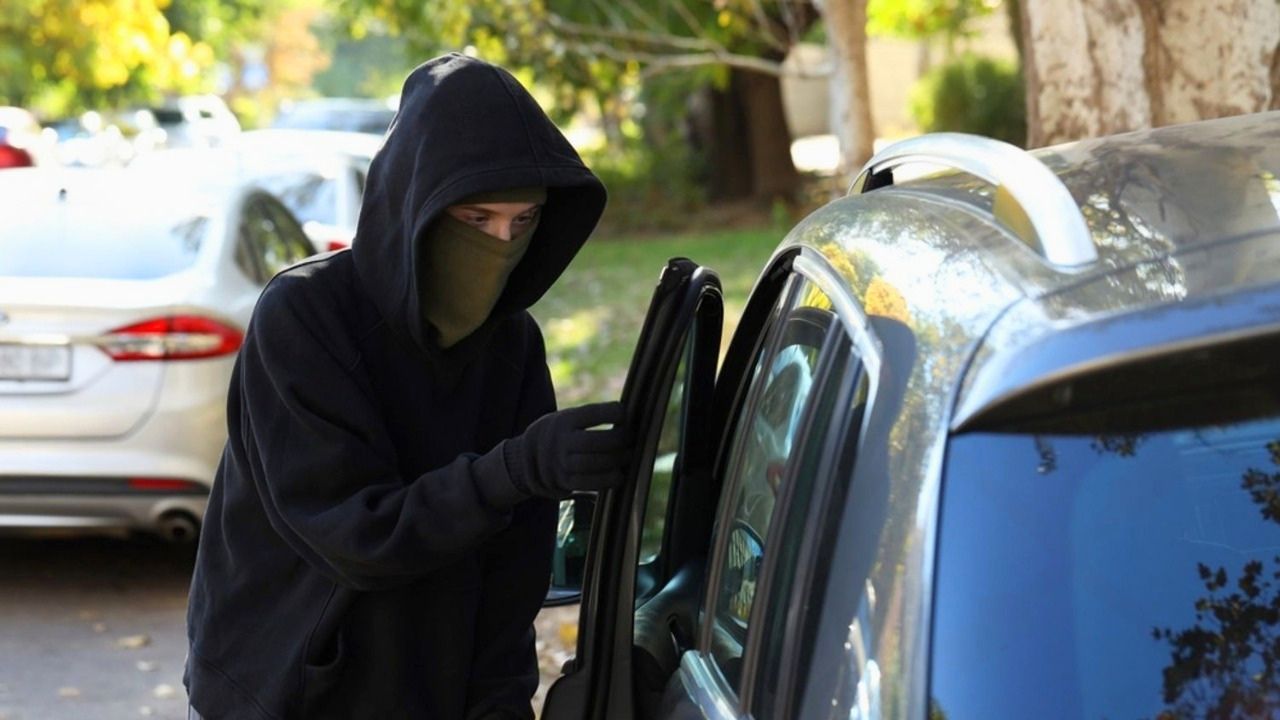
Photo credit: New Africa/Shutterstock.com
A landlord says several rent checks went missing after his vehicle was broken into, leaving both him and his tenants stuck in an uncomfortable question: who is responsible when rent was paid, but the landlord never actually got the money?
He explained in a Reddit post that the checks were stolen from his car. These were not random personal items or spare change. They were rent checks from tenants, meant to cover housing payments.
That immediately created a mess.
From the landlord’s side, the money was gone. If the checks were never deposited, he had not actually received the rent funds. Depending on the amount, that could be a serious financial hit.
But from the tenants’ side, they had already paid.
That is where the conflict lives. Rent is one of those payments where timing and proof matter. A tenant writes a check, hands it over, and assumes the obligation has been handled. If the landlord then loses the check or has it stolen before depositing it, the tenant may feel like the landlord’s custody of the payment became his responsibility.
The landlord seemed to be trying to figure out what he could legally do next.
Could he ask tenants to write replacement checks? Could he treat the rent as unpaid if they refused? Could tenants stop payment on the stolen checks and issue new ones? What if a tenant’s check had already been cashed fraudulently? What if a tenant refused because they felt they had already fulfilled their part?
The safest practical step for everyone seemed obvious: the tenants should contact their banks, stop payment on the stolen checks if possible, and issue replacements once they confirmed the originals had not cleared.
But the emotional side is trickier.
Nobody wants to pay rent twice. Even if a stopped check prevents a double charge, stop-payment fees can add irritation. And if a tenant is already living paycheck to paycheck, being told, “Write another rent check because mine was stolen from my car,” might feel like the landlord’s problem is being pushed onto them.
The landlord, however, could argue that if the checks were never cashed and the rent money never left the tenants’ accounts, they had not truly lost anything except maybe a bank fee and some inconvenience.
That is why documentation mattered.
The landlord likely needed to file a police report immediately, tell every affected tenant exactly what happened, and give them the report number. That way, tenants could take the issue to their banks and feel confident the stolen checks were not being casually “lost” or mishandled.
The stolen checks also created a fraud risk. A check contains sensitive information: name, address, routing number, account number, sometimes a phone number. Whoever stole them may not only try to cash them, but could use the account information in other ways. Tenants needed to know quickly so they could watch their accounts, place stop payments, or even ask their banks whether new account numbers were needed.
That is the part that makes stolen checks so messy. The paper itself is not only a payment. It is access.
The landlord also had to think about his own handling of the checks. Leaving rent checks in a vehicle, depending on the circumstances, may look careless. Vehicles get broken into. Checks are valuable. If tenants handed over rent and the landlord left those checks somewhere vulnerable, they may be understandably upset.
Still, the theft itself was not caused by the tenants.
It was caused by whoever broke into the vehicle.
The post did not appear to end with a tidy resolution. But the likely path was more administrative than dramatic: police report, tenant notifications, stop payments, replacement checks, bank monitoring, and possibly fees.
The bigger question was whether the landlord approached it as a shared problem or tried to make tenants feel blamed. If he was upfront, documented the theft, and helped tenants protect themselves, most reasonable people would probably replace checks that had not cleared.
If he simply demanded rent again with no explanation or paperwork, that would be a different story.
Either way, the crime turned rent day into a trust problem.
The tenants had trusted the landlord with their checks. The landlord had trusted that his vehicle would be safe enough. The thief broke that chain, and now everyone had to sort out whose bank account, paper trail, and patience would take the hit.
Commenters mostly focused on the practical steps. Many said the landlord should immediately notify every affected tenant and provide a copy of the police report or report number so they could work with their banks.
Several people said tenants should stop payment on the stolen checks if they had not cleared, then issue replacement checks. If a check had already been fraudulently cashed, commenters said the bank and police report would become much more important.
A lot of commenters pointed out that the landlord should not have left rent checks in a vehicle, because checks contain sensitive bank information and can create identity or account-fraud risks.
Others said tenants should not be expected to pay twice. Replacement checks may be reasonable if the originals were stopped, but any fees or fraud issues needed to be handled carefully.
The strongest advice was simple: treat it like stolen financial documents, not just missing rent. Everyone affected needed notice, bank action, and a paper trail.