Husband Blocked Hospital Visitors After the C-Section — Then His Mother-in-Law Pushed Back
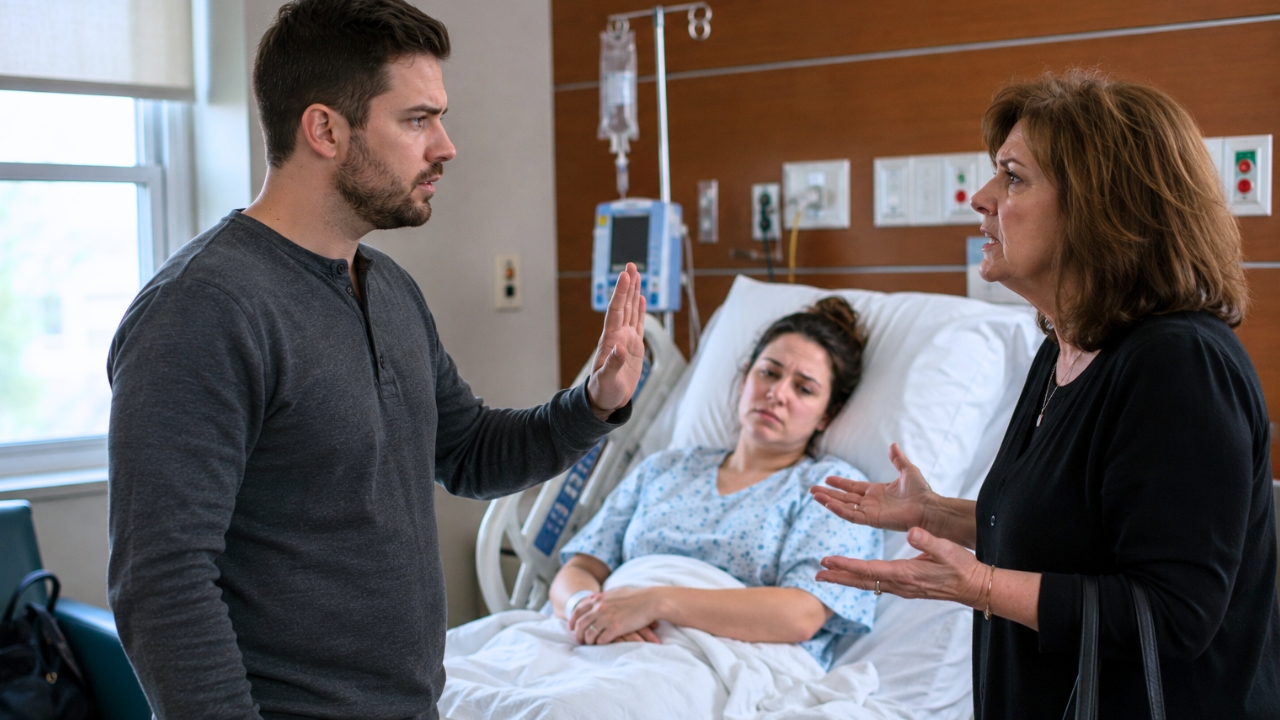
Photo credit: Thrivegirly
A new father said he had to become the gatekeeper after his wife gave birth by C-section, because relatives wanted to visit the hospital before she had even had a real chance to recover.
The man shared the situation on Reddit, explaining that his wife had given birth to their child that morning. The delivery was by C-section, which meant she was recovering from major abdominal surgery while also meeting and bonding with their newborn.
In the hours after the birth, his wife was exhausted. She was on medication, trying to rest, and still processing everything that had just happened. The baby had arrived safely, but the day had been physically intense and emotionally overwhelming.
The husband said his mother-in-law wanted to come visit that same day.
At first glance, it is easy to understand why. A new grandchild had been born, and many grandparents want to rush to the hospital as soon as possible. Birth feels exciting for the extended family. People want pictures, updates, and a chance to hold the baby.
But for the husband, the timing was not right.
He said his wife was not ready for visitors. She was still recovering from surgery, still vulnerable, and still in need of quiet. He felt it was his job to protect that space, so he told his mother-in-law she could not visit that day.
The request did not go over well.
His mother-in-law was upset and pushed back. From her side, she likely felt excluded from a major family moment. She may have felt that because she was the baby’s grandmother and the mother of the woman who had just given birth, she should be allowed to come see them.
But the husband did not see the hospital room as a place for everyone else’s feelings to be managed. He saw it as his wife’s recovery space.
He brought the situation to Reddit in a post titled “AITAH for telling my MIL she couldn’t visit my wife in the hospital the same day our child was born?”: https://www.reddit.com/r/AITAH/comments/1tgvr9m/aitah_for_telling_my_mil_she_couldnt_visit_my/
The emotional conflict came from the difference between celebration and recovery. For relatives waiting outside the hospital room, a baby’s birth can feel like happy news they should be included in right away. For the person who just gave birth, especially by C-section, the first hours can feel very different.
A C-section is not simply “having the baby.” It is surgery. The mother may be groggy, sore, bleeding, swollen, emotional, and physically unable to move comfortably. She may be trying to nurse for the first time. She may need help getting out of bed. She may have nurses checking her incision, bleeding, pain levels, and vitals. None of that is exactly a warm, relaxed visiting-hour moment.
The husband seemed to understand that. His wife did not need to host. She did not need to smile for visitors. She did not need to make her mother feel included before she had even had time to feel like herself again.
That is why his boundary mattered.
He was not saying his mother-in-law could never meet the baby. He was saying not today. Not within hours of surgery. Not when his wife was exhausted and recovering. Not when the first priority needed to be the mother and baby, not the grandmother’s disappointment.
The situation also showed how quickly postpartum boundaries can become family conflicts. A simple “we’re not ready for visitors yet” can be interpreted as rejection. People may take it personally, even when the boundary is based on pain, exhaustion, privacy, and medical recovery.
That reaction can put new parents in an unfair position. They are already sleep-deprived and emotional, and suddenly they are also managing adult hurt feelings. In this case, the husband chose to absorb that pressure himself instead of letting it land on his wife.
That choice is what made the story stand out. He did not tell his recovering wife to deal with her mother. He did not pressure her to accept a visit so no one would be upset. He stepped in and said no.
For some relatives, that may feel harsh. But in the hospital, right after birth, “no” can be an act of care.
The husband’s decision came down to one question: who needed protection most in that moment? The grandmother’s feelings, or the mother recovering from surgery?
He chose his wife.
Commenters overwhelmingly supported the husband and said he was not wrong for blocking the visit.
Many said a woman recovering from a C-section should not have to see anyone she does not want to see, especially on the same day as surgery. They pointed out that the hospital room is not a public viewing area for the baby. It is a medical recovery room for the mother.
Several commenters praised the husband for protecting his wife instead of letting family pressure wear her down. They said this is exactly what a spouse should do during labor, delivery, and postpartum recovery: listen to the person who gave birth and enforce the boundary when others push back.
Others said the mother-in-law could be disappointed without being entitled to visit. Feelings are allowed, commenters said, but disappointment does not override a new mother’s need for rest, privacy, and medical recovery.
A few commenters noted that the baby would still be there the next day or later in the week. Meeting the baby slightly later would not harm the grandmother, but forcing a visit too soon could make the mother feel stressed and unsupported during an already difficult recovery.
Some people suggested that future visits should also be handled carefully. The couple could set visiting hours, limit the number of people, require short visits, and make it clear that anyone who argues will be asked to wait longer.
The strongest advice was that postpartum boundaries should be based on the mother’s comfort, not extended family expectations. A grandparent can love the baby deeply and still wait until the parents are ready.
By the end of the discussion, Reddit’s message was clear: the husband did not keep his mother-in-law from a party. He protected his wife after surgery. And in those first hours after birth, that was exactly where his loyalty belonged.