10 Things You Can Actually Clean With a Scouring Stick

Image Credit: ZikG/ Shutterstock.
There’s nothing quite as satisfying as finding a cleaning hack that actually works, and scouring sticks are one of my go-to tools for tackling tough messes. As a mom with a house full of boys (and all the chaos that comes with them), I don’t have time to waste on cleaners that promise the world and don’t deliver. That’s why I keep a scouring stick handy—it’s simple, affordable, and surprisingly versatile.
Whether I’m dealing with hard water stains in the bathroom or burnt-on grease in the kitchen, this little tool handles it like a pro. And honestly, anything that makes my cleaning routine faster and less frustrating is a win in my book. If you haven’t tried one yet, you’re seriously missing out.
Stove Burners

Stove burners are a magnet for cooked-on spills and grease that seem impossible to clean. A scouring stick makes it easy to tackle those crusty messes without scratching the surface. Just dampen the stick and gently scrub the burners or grates until the gunk starts to loosen.
I love how quickly it works, especially after a week of cooking chaos (you know, when one pot overflows and leaves a sticky nightmare behind). Just rinse the burners afterward, and they’ll be good as new—no endless scrubbing or pricey cleaning sprays required.
Swimming Pools

Pool maintenance is annoying, but a scouring stick can make it so much easier. If your pool has a concrete, tile, or plaster finish, this little tool is a lifesaver for tackling rust, algae stains, and even that annoying ring of buildup around the waterline. It’s like a magic eraser for your pool problems.
I’ve found it’s a game-changer for those stubborn spots where nothing else seems to work. Just make sure the surface can handle a little scrubbing and rinse well afterward.
Metal Tools

If you’ve ever left your garden tools outside (guilty), you know how quickly rust takes over. A scouring stick is your secret weapon for bringing them back to life. It works wonders on shovels, trowels, and even those old rusty shears you thought were done for. A quick scrub, and they’re looking like they’re ready for work again.
I’d stick to tougher tools, though—thin metals can scratch if you’re too aggressive. After cleaning, give them a quick wipe with oil to keep the rust from coming back.
Fabric

Pet hair on the couch is my everyday reality. No matter how often I vacuum, it seems to cling to the fibers like it owns the place. Enter the scouring stick. With a few light strokes, it pulls up every strand of fur, even the stuff that’s been there for who knows how long.
I use it on upholstery, car seats, and even carpets. Once the hair is gathered into a pile, just vacuum it up. It’s weirdly satisfying, like you’re winning a battle you didn’t even know you were fighting.
Grout

Grout is one of those things you don’t think about until it’s gross. And once it is, good luck ignoring it. A scouring stick cuts through the grime like nothing else. I’ve used it on kitchen backsplash grout and bathroom tile, and it’s amazing how much better everything looks after just a few swipes.
Just be careful not to go overboard on fancy tiles—it’s best for plain grout lines.
Toilet Bowls
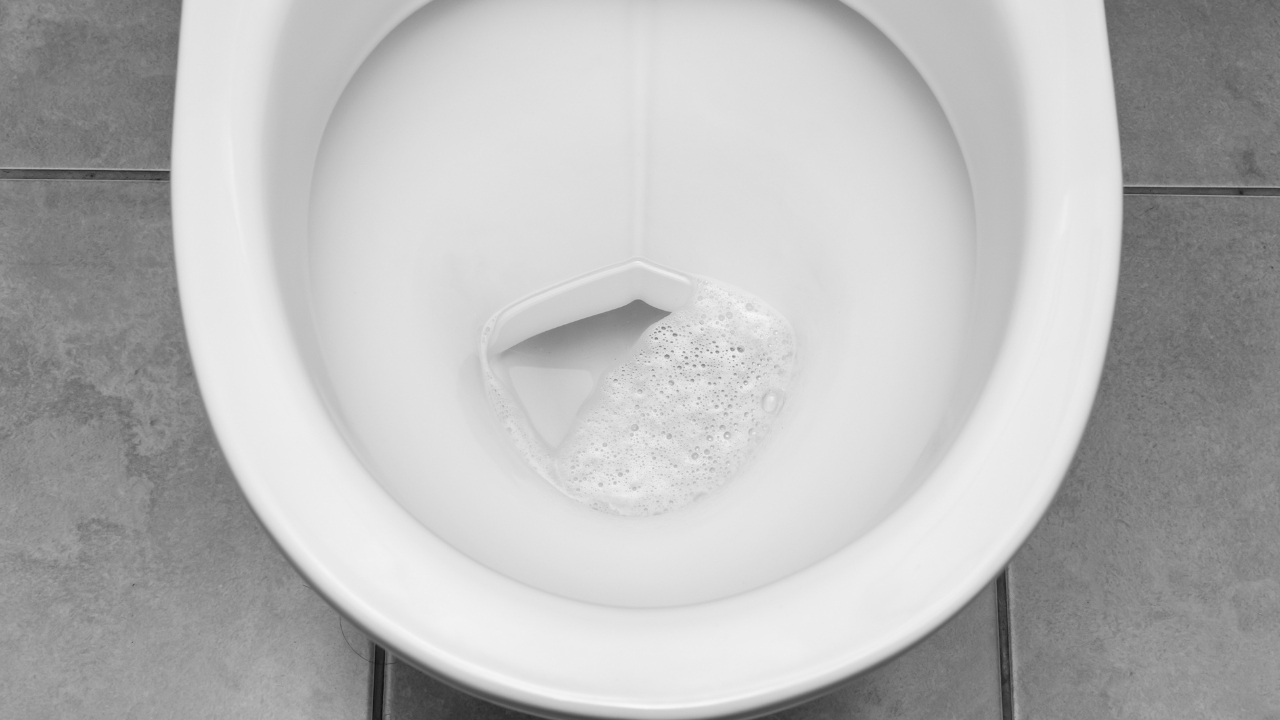
Toilet rings are no match for a scouring stick. Start by cleaning the toilet bowl as you usually would, then use a damp scouring stick to tackle any lingering stains or hard water buildup. The pumice is gentle enough not to scratch the porcelain but tough enough to remove mineral deposits. For extra comfort, pick one with a handle to keep a bit of distance while scrubbing.
Once you’re done, rinse the stick under water and let it air dry. Be sure to keep a separate stick specifically for toilets—it’s an easy way to keep things sanitary and organized.
Showers and Bathtubs
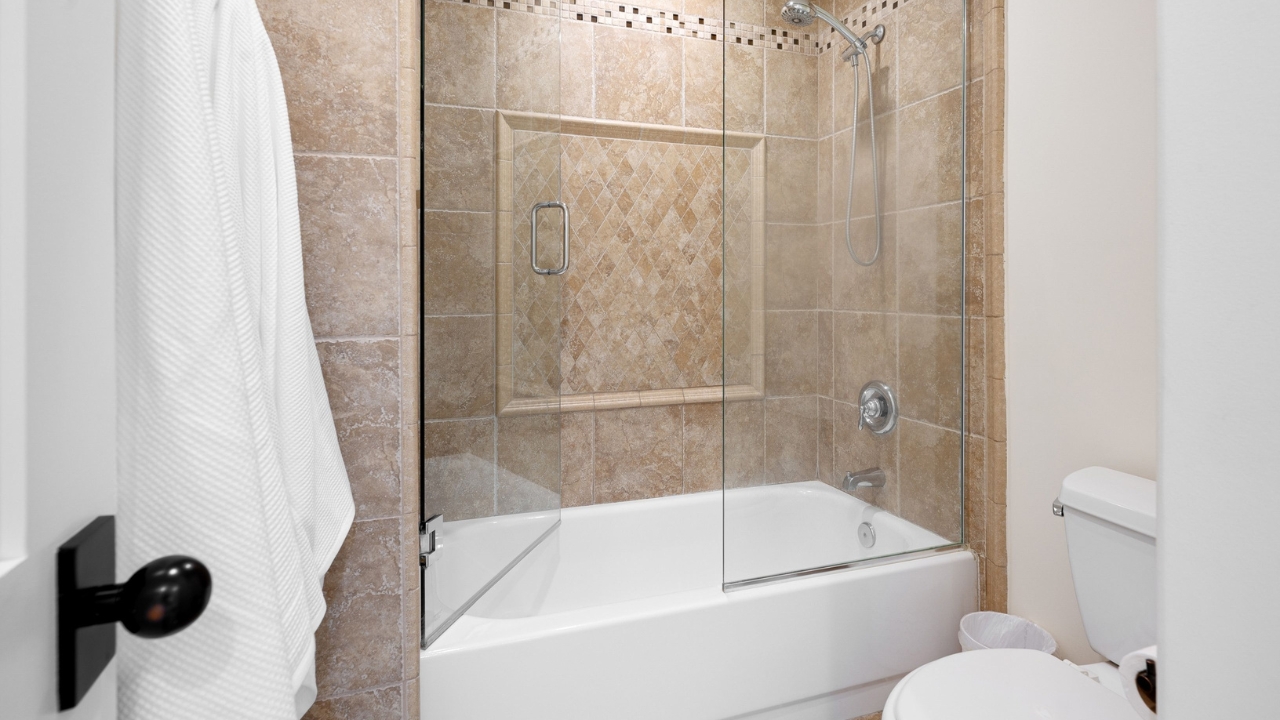
A scouring stick works wonders on tough shower and bathtub stains, especially on surfaces like tile or porcelain. Wet the stick and gently scrub any problem areas, like soap scum or hard water buildup. It’s also great for cleaning grout lines or tight spaces around sliding glass doors that sponges just can’t reach.
Just make sure the material can handle a bit of abrasion before diving in—fiberglass or acrylic might require a gentler touch.
Sinks, Faucets, and Drains

When you’re already in cleaning mode, take the scouring stick to the sink. Stubborn stains? Mineral deposits around the faucet? Gone in no time. It’s especially satisfying to buff away that crusty buildup that collects near drains. The trick is to use gentle pressure so the stick can do its job without scratching.
This works for kitchen sinks too, as long as they’re not made of delicate materials like stainless steel or copper. And just like with the toilet, you’ll want to keep one scouring stick set aside for sinks to keep things hygienic.
Ovens

Ovens can be a grime magnet, but a scouring stick makes cleanup easier. Soak the racks in soapy water overnight, then use the stick to scrub away any baked-on residue the next morning. For the oven interior, loosen up debris with your usual cleaner, then use the scouring stick for those stubborn, burned-on spots.
You can even use it on cast iron pans or tempered glass dishes—just make sure you reserve a separate stick for cookware.
Outdoor Grills
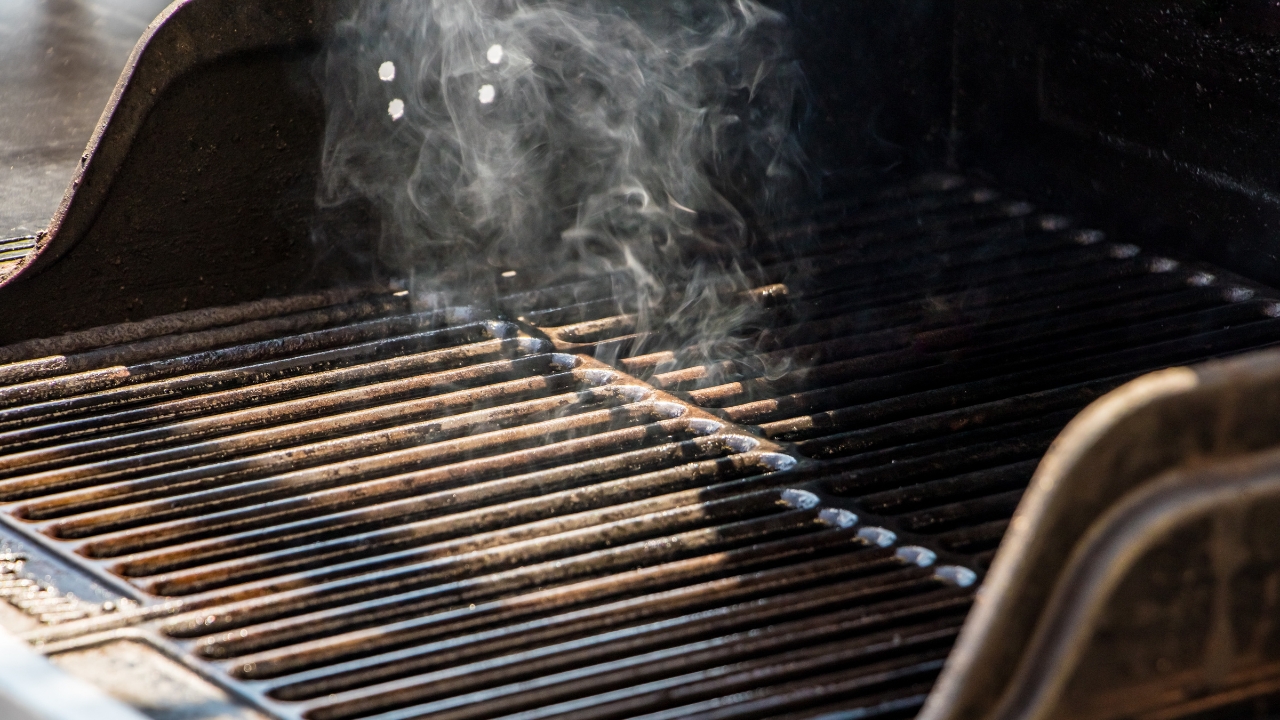
Grill grates are another perfect job for a scouring stick. Start by brushing the grates with a metal grill brush to loosen any charred bits. Then wet the stick and scrub away whatever’s left, from barbecue sauce to melted cheese. Wipe down the grates with a damp cloth afterward, and they’ll be ready for your next cookout.
It’s quick, effective, and keeps you from having to chisel away at the grime during grilling season. Just remember to use a different stick than the one you reserve for indoor cleaning to keep things food-safe.