Her Mother and Aunts Refused to Respect One Wedding Rule — Then They Were Removed From the Guest List Entirely
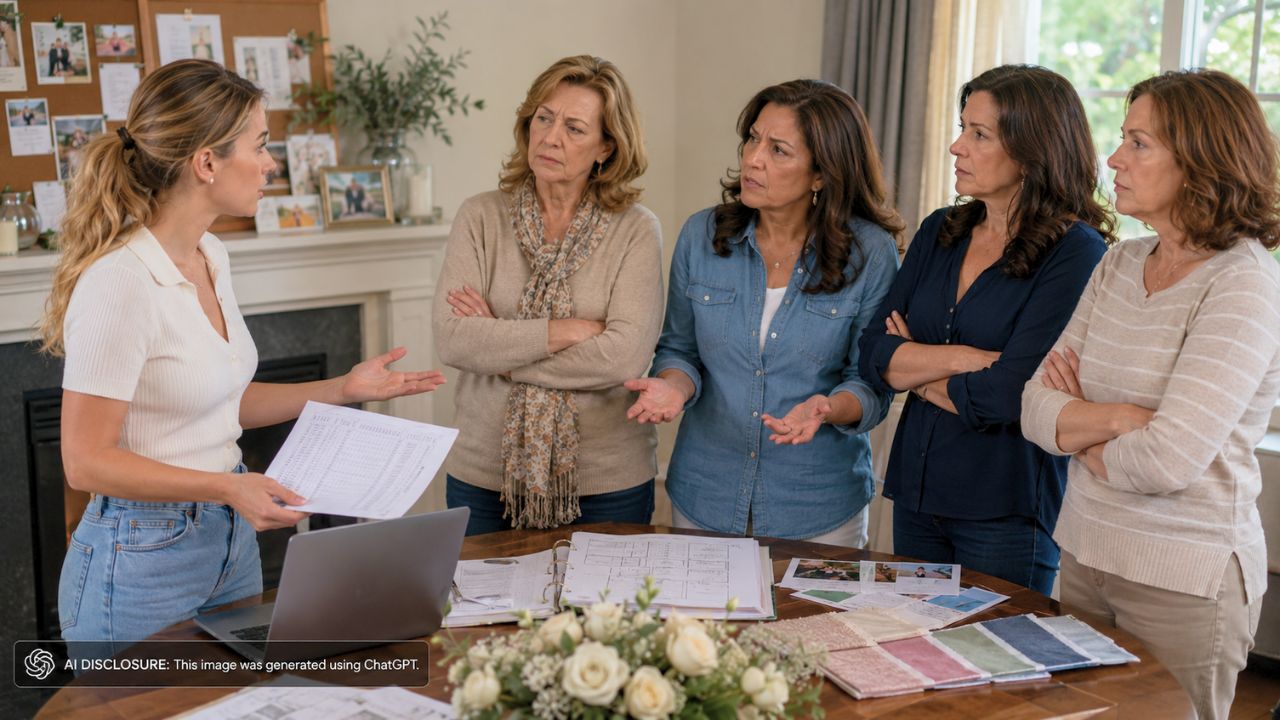
Photo credit: AI-generated image created using ChatGPT. Illustrative only.
He thought this trip home would be simple: one big family dinner, one happy announcement, and then back to planning a fall wedding with the woman he couldn’t wait to marry. Instead, it turned into the kind of night that changes a family’s future in a matter of minutes.
The 25-year-old groom-to-be has been living in Norway since he was 19, after moving from the U.S. for school. He met his fiancée, Maya, when he was 20, and the two have been together ever since. Now engaged and planning a wedding near Maya’s hometown, they decided to fly to his hometown to share the news in person.
It was supposed to be a warm introduction for relatives who hadn’t met Maya yet. What they got was a public insult so sharp that it instantly came with consequences.
A celebratory dinner turned cold in a very specific way
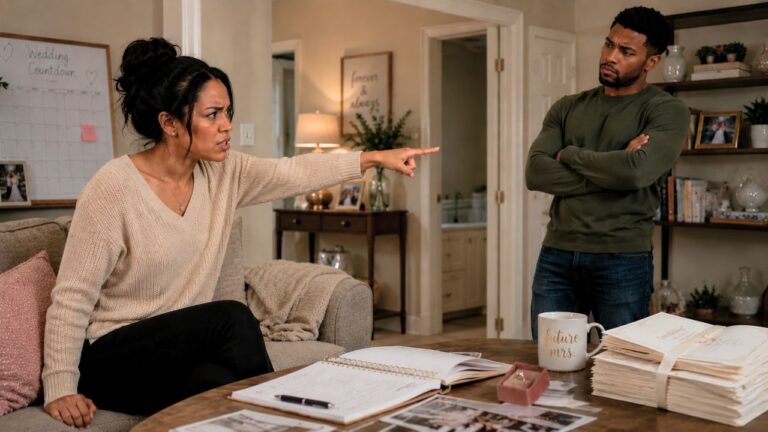
The engagement announcement happened at a big dinner hosted at his aunt Debra’s house, with extended family around the table. Most people were thrilled, offering congratulations and excitement. But the groom noticed right away that three women didn’t share the mood: his mother, Debra, and another aunt.
At first, he brushed it off. Then Maya quietly told him she felt uncomfortable, because those three were glaring at her. Maya is shy, and she isn’t fully confident speaking English, so the couple spoke Norwegian to each other during the night and switched to English when talking with family.
That language choice seemed to irritate his mother even more. Every time the couple spoke to each other, the groom felt the temperature drop—especially from his mom.
He asked his dad what was going on—and got the wrong reassurance
Trying to keep the night from spiraling, he pulled his dad aside and asked what the issue was. His father shrugged it off and told him not to worry, suggesting his mom was only reacting emotionally because her son was building a life an ocean away.
It wasn’t just sadness, though. It wasn’t even passive-aggressive “I’m going to be distant” energy. It was something much uglier, and it was about to be said out loud in front of everyone.
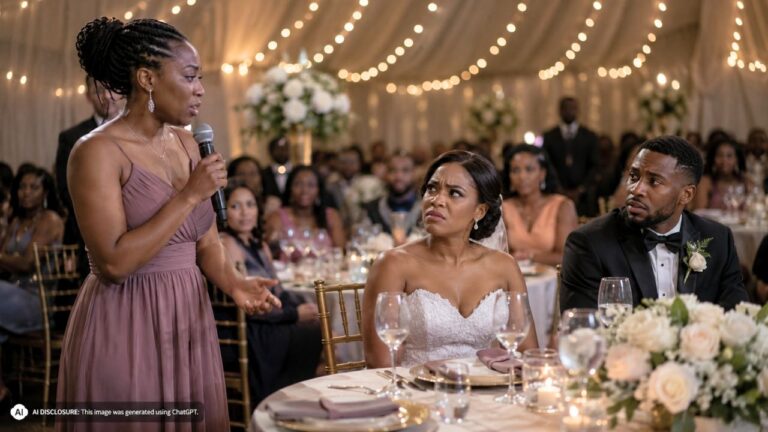
After dessert, his mother stood up to toast the engaged couple, taking the moment that’s supposed to be sweet and turning it into a humiliation.
The “toast” crossed a line Maya couldn’t un-hear
In her speech, his mother went beyond skepticism and went straight for character assassination. She said, “Cheers to my son and his fiancé, she may not be the best woman for him, but I’m sure he’ll realize that once he sees what a slut and gold digger she is. Or maybe she’ll grow a conscious and saves him from himself. Cheers.”
Maya immediately left the room crying. There was a long silence that only got worse when his mother and the two aunts started snickering.
That was the moment the groom decided there was no version of “keeping the peace” worth the cost. He fired back, telling them they were no longer welcome at the wedding. He also told them he and Maya would be staying at a hotel for the remainder of the trip.
Then he left, quickly, with his fiancée—because once your partner is sobbing after being attacked in public, you don’t stick around to debate etiquette.
The wedding invitation became the consequence—and the family pushed back hard
Backlash came fast. He started getting calls saying he was being unreasonable, that his mother was drunk, that she was “just worried” about him. Some relatives on his mother’s side went further, saying they wouldn’t attend unless he re-invited his mother and aunts.
The hardest pressure point was his father. The groom said his dad told him he couldn’t come to the wedding unless his mom was allowed to attend too—even though his dad had witnessed the toast and had already tried to excuse her behavior earlier in the night.
His sister, who is no-contact with their mother, didn’t defend their mom. But she did tell him he had “royally” messed up in the sense that it might permanently damage his connections to that side of the family. She also understood what it could mean: if their dad refused to go without their mom, he might miss his son’s wedding entirely.
Still, the groom kept circling back to one thing: he didn’t want Maya to deal with anything like that on their wedding day. And Maya, while leaving the final decision to him, made it clear she really didn’t want those women there.
He gave his father one chance to show where he stands
As he processed everything, he began questioning not just the toast, but the pattern behind it—especially his father’s role. After talking it through with Maya, he decided to give his dad a direct opportunity: one honest conversation, one-on-one, where his father would have to make a choice about what kind of relationship he wanted going forward.
He called his dad and asked to meet privately. His father agreed, and the groom came prepared with points he wanted to cover, including what it actually looks like to stand by your future spouse when someone attacks them.
The conversation was candid. His father admitted he’d been denying how bad things were for years because he felt like divorcing his wife would mean he failed. He also said he believed that standing up to her would lead to her divorcing him anyway.
And he apologized—for failing both his son and daughter.
But the groom didn’t want words without action. He told his father the only apology he would accept was if he chose his kids over his wife. In the moment, his dad hesitated. The groom said he could see the conflict on his father’s face, and he nearly caved out of empathy. Instead, he held the line, telling his dad he knew how to contact him and to let him know his decision before the wedding.
The original post left people focused on one uncomfortable detail
In the original post, the groom’s updates made it clear that the biggest question wasn’t whether the mother’s toast was cruel (it was), but how many people were willing to excuse it. The groom even noted he hadn’t expected so many reactions centered on his father, and it forced him to look at old dynamics with fresh eyes.
Because the mother didn’t just insult Maya. She did it publicly, with support from two aunts who snickered afterward. And the father’s response—first minimizing it, then tying his attendance to his wife’s invitation—became its own kind of message.
The groom and Maya aren’t changing the plan to elope, and they’re still aiming for a traditional Norwegian wedding near her hometown, surrounded by her supportive family. On his side, though, attendance is now a test of loyalty, not logistics.
He’s hopeful his father will show up for him in the way he hasn’t in the past. But he’s also facing the possibility that protecting his future wife means accepting a smaller guest list—and a much clearer view of who, exactly, is willing to celebrate their marriage without trying to sabotage it first.