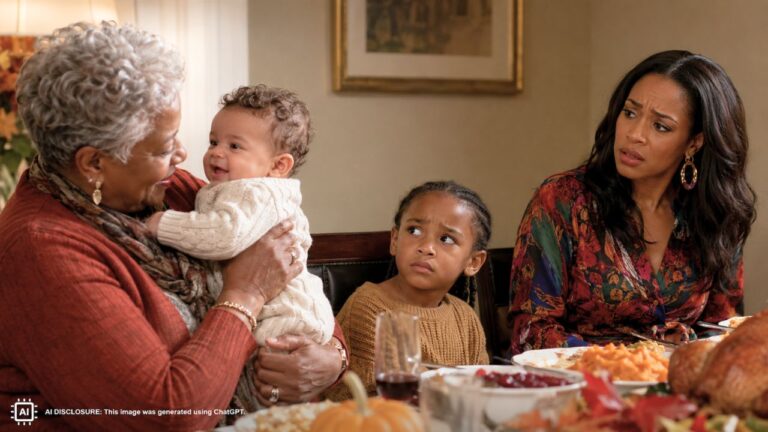
Woman Says Her Friends Turned a Birthday Dinner Into a Financial Ambush

Photo credit: CandyRetriever/Shutterstock.com
Most people go to a friend’s birthday dinner expecting to pay for their own meal, maybe chip in a little extra for the birthday person, and head home. They do not expect to open a message later and find out that what they thought was a normal night out somehow turned into a four-figure expense. That is exactly why one woman’s story took off after she said she and her husband went to a friend’s birthday dinner and were later told their share came out to about $1,100 total, with the cost split evenly across the group at roughly $540 per person before tax and gratuity. She said there had been no clear warning upfront that dinner was going to be handled as one giant group bill split evenly among everyone there.
According to the post, the dinner involved around 13 people, and the birthday man’s wife paid the restaurant with her card at the end of the night. At first, the woman and her husband were surprised, but they assumed maybe the host was covering it or there had been some plan they were not aware of. Instead, a couple of days later, the wife messaged people with the amount each couple owed, and that is when the woman realized just how expensive this “birthday dinner” had really been. She wrote that based on previous nights out with the same group, they expected to pay their own way and had guessed the total for the two of them might be a few hundred dollars, not something that felt more like a rent payment.
That is what made people react so hard. It was not just that the dinner was expensive. It was that the expensive part apparently was not communicated clearly before everyone sat down, ordered, and let the night unfold. The woman said she was not trying to dodge paying for what she and her husband consumed. What upset her was the idea that they were now being asked to subsidize a much bigger, more lavish evening than they ever knowingly agreed to. Readers immediately picked up on that difference because it changes the whole tone of the story. Paying your share is one thing. Getting surprised with a giant even split after the fact is something else entirely.
A lot of commenters zeroed in on the math too, because the number itself was so jarring. Based on the total being passed around, some people questioned whether the group had effectively been covering more than just their own meals, especially if some guests had ordered far more than others. Several commenters urged the woman to ask for a copy of the actual bill or at least compare the number against the restaurant’s menu, because the amount seemed extremely high unless the table had been ordering very heavily. That suspicion became part of why the story spread so fast. Once people feel like they may have been left in the dark about a cost, they start wondering what else was not said plainly.
What really made the story feel ugly, though, was the social pressure built into it. Birthday dinners already come with unspoken expectations. Most people do not want to be the one who argues over money after a celebration, especially with friends. That is exactly why surprise costs hit so hard. They corner people. If you object, you risk looking cheap or difficult. If you stay quiet, you end up paying far more than you ever meant to. The woman seemed stuck right in that spot. She was offended and stunned, but she also knew the group dynamics made pushing back complicated. That tension is an inference from the situation she described and the way readers responded to it.
A lot of readers said the real problem was not the fancy restaurant or even the giant total. It was the lack of transparency. If someone tells you upfront that a dinner will be an even split and the place is extremely expensive, you can make an informed choice. You can decline. You can budget. You can decide whether the friendship and the event are worth it. But when the information comes after the meal, the choice is basically gone. That is why so many people saw it as a setup, or at the very least a deeply inconsiderate way to handle money among friends. That broader takeaway is an inference supported by the posts and the discussion around them.
In the end, this one hit because it was never only about one dinner. It was about how fast a fun group celebration can turn sour when money gets vague, expectations stay unspoken, and nobody wants to be the person who says out loud that something feels completely off. Once that happens, a birthday meal stops feeling like a celebration and starts feeling like a trap.
Do you think she should have paid the full amount to avoid the fallout, or would you have pushed back the second that $1,100 message came through?