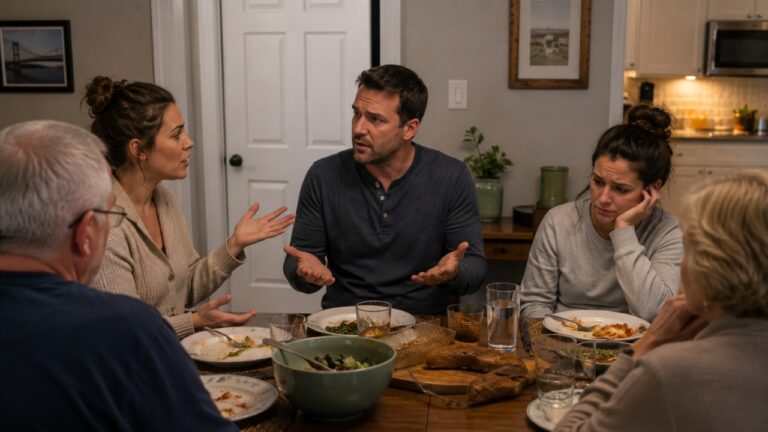
Her Family Wanted To Visit the Baby on Their Schedule — Then the New Mom Said No
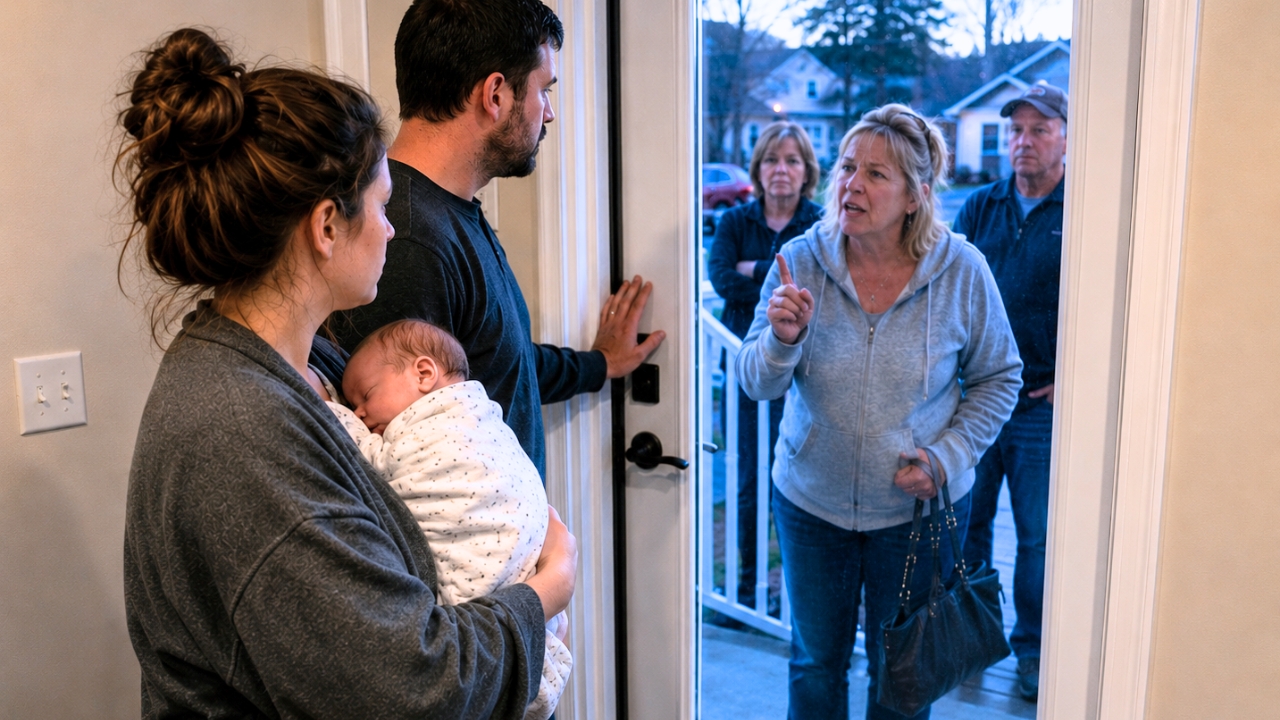
Photo credit: Thrivegirly
By the time the baby was a week old, the new mom felt like she was living inside a group chat. Her phone lit up every morning with the same question phrased six different ways: when could her family come by. Not “are you up for it,” not “do you need anything,” but suggested time slots and reminders about who was “already in the area.”
She and her partner were running on broken sleep, rotating bottles and laundry and short naps. The baby was healthy, but the recovery hadn’t been easy, and the house still looked like a shipping center with unopened boxes of diapers and postpartum supplies. Visitors weren’t just inconvenient—they felt like another task.
The schedule wasn’t a request, it was an announcement
The first attempt was framed as help. A relative offered to “swing by” late afternoon with food, then followed it with a second message saying they’d be there after an appointment. When the new mom didn’t answer right away, another family member chimed in with a different time, like they were solving a calendar problem.
She tried to slow it down by suggesting a short visit the following weekend, with a clear start and end time. The response was a wave of disappointment and bargaining. They wanted weekday access, evening access, and the flexibility to drop in if they were nearby.
Her partner began intercepting messages, but that created a new complaint: the family said they shouldn’t have to go through him to see the baby. That’s when the tension shifted from pushy to personal, as if boundaries were a punishment.
Recovery meant rules, and rules meant backlash
After another long night and a rough morning, she finally sent a direct message: no drop-ins, no “just for five minutes,” and no visits on days when she hadn’t confirmed. If someone came anyway, she wouldn’t open the door. She also asked that anyone who did visit wash hands, skip perfume, and avoid kissing the baby.
The immediate reply wasn’t about the baby’s health or her recovery. It was about fairness. One relative complained that they had “waited long enough,” another pointed out that other family members had already met the baby, and someone else pushed the idea that new moms “need support,” meaning support on their terms.
Within a day, the family group chat splintered into side conversations. She started receiving private messages that felt like pressure dressed up as concern. The theme was consistent: her boundaries were being treated as a misunderstanding they could negotiate away.
The first uninvited visit changed the temperature
Two days later, someone showed up without confirmation. The new mom noticed a car pull up through the living room blinds, then a knock that turned into repeated knocking. When she didn’t answer, the person tried the handle, then knocked again, louder.
She froze at first, then texted through the door that it wasn’t a good time and asked them to leave. The reply came through her phone—still insisting they were “already there” and didn’t want the trip to be wasted. They lingered on the porch long enough that a neighbor’s dog started barking and someone across the street glanced over.
After they finally left, she felt shaky and embarrassed, like she’d caused a scene by protecting her own space. Her partner was angry for a different reason: trying the door handle crossed a line, especially with a newborn in the house.
That night they moved a small camera they’d used as a pet monitor to face the front entry, mostly for peace of mind. They also stopped posting any baby updates, because every photo seemed to trigger another wave of “we’re coming tomorrow” messages.
What started as “family time” turned into a doorstep power struggle
The next escalation came over the weekend. Another relative arrived with a bag of gifts and acted like the earlier message about no unplanned visits didn’t exist. When no one answered, they called repeatedly, then sent a message implying the new mom was “keeping the baby from everyone.”
Instead of leaving, they stayed in the driveway and spoke to a neighbor who happened to be outside. Nothing dramatic happened, but it was enough to make the new mom feel exposed. She didn’t want her private postpartum boundary fight turning into neighborhood gossip.
Her partner stepped outside briefly and repeated the rule: visits by invitation only. The relative argued back, accusing him of controlling the situation and “speaking for her.” When he ended the conversation and went back inside, there was another round of knocking.
That was the moment it stopped feeling like an emotional family dispute and started feeling like a safety issue. They weren’t worried about violence so much as the unpredictability—who might show up, when, and how long it would take to get them to leave.
The new parents started documenting everything
They saved screenshots of every message and logged the uninvited visits with dates and times. The camera footage showed the door-handle try, the repeated knocking, and how long someone lingered after being told no. It wasn’t about building a case for drama; it was about having a record if they ever needed outside help.
They also tightened practical things. They kept doors locked even during the day, closed curtains at night, and asked delivery drivers not to knock unless necessary. Her partner spoke with the property manager about installing a better deadbolt, since the existing one felt flimsy.
When the family tried to shift the conversation to compromise—suggesting they would “just stop by” and wait until the baby was awake—the new mom stopped negotiating. She offered one option: scheduled visits once a week for a short window, with a clear expectation that “no” meant “no.”
The answer she got wasn’t agreement. It was another attempt to control the timing, plus a reminder of birthdays, holidays, and “tradition.” She didn’t argue. She simply didn’t open the door when someone arrived uninvited again.
Most people focused on boundaries that can actually be enforced
The reactions from friends and people they talked to leaned heavily practical. The biggest advice wasn’t about winning an argument; it was about reducing opportunities for confrontation. People pointed to door cameras, keeping communication in writing, and having one spokesperson so the family couldn’t play messages against each other.
Several emphasized that postpartum recovery is medical recovery, not a social phase, and that setting visitor rules is normal. Others stressed the importance of not getting pulled into doorstep debates, especially with sleep deprivation and heightened emotions. A closed door and a calm text were safer than face-to-face arguments.
A few suggested drawing a hard line: if anyone tried the handle again or refused to leave, call for help instead of trying to reason with them. It wasn’t about punishing family. It was about making it clear that showing up uninvited isn’t a negotiable behavior.
The new mom’s biggest challenge wasn’t choosing her baby over her relatives. It was accepting that some people would treat her boundaries as disrespect, no matter how politely she explained them. For now, she and her partner are sticking to scheduled visits only, leaning on documentation, and keeping the home quiet—because the baby doesn’t care about anyone’s calendar, and recovery doesn’t run on someone else’s schedule.