Her Family Wanted Her To Invite a Relative She Hadn’t Spoken To in Years — Then She Refused
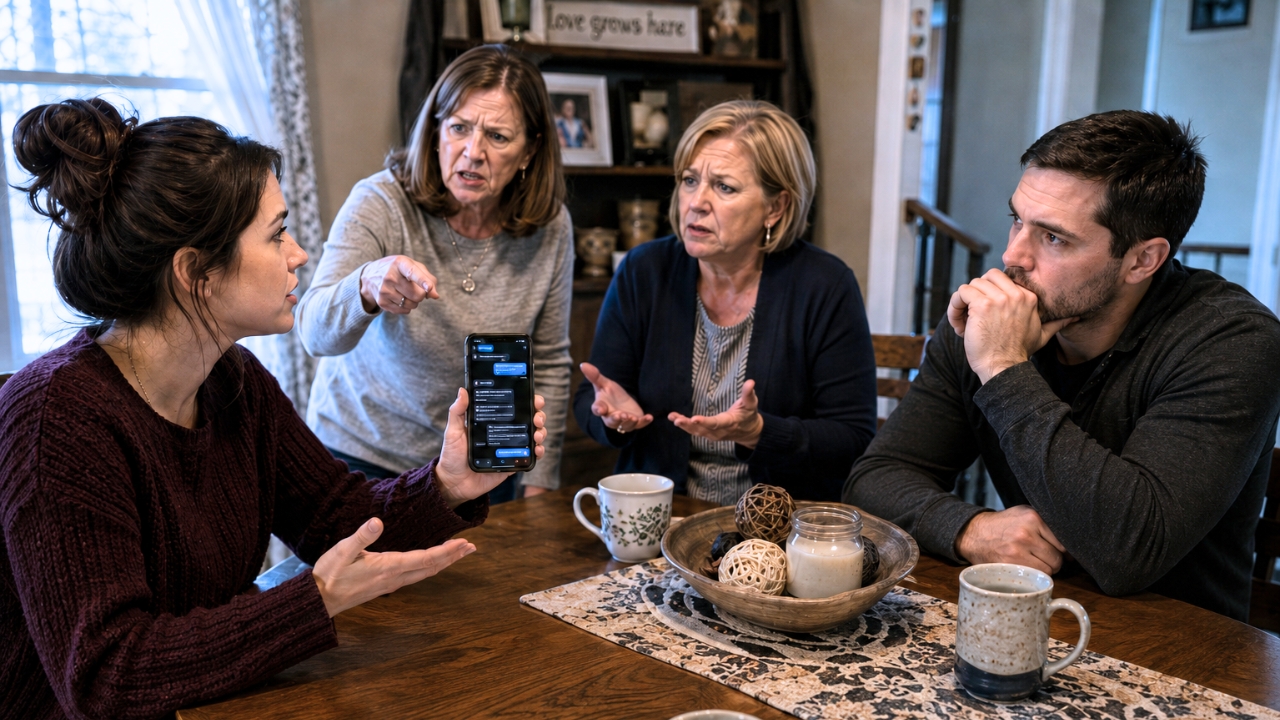
Photo credit: Thrivegirly
The seating chart was already a headache, but the real fight started over one name. A few months into planning her small wedding, “Maya” had been clear that she wanted a calm day—no surprises, no drama, and no people who made her stomach drop when their name popped up on a phone screen.
Her mother and an aunt kept pushing the same request: include a relative she hadn’t spoken to in years. It wasn’t a distant cousin she’d simply drifted from. It was an older family member who had blown up past holidays, sent nasty messages when Maya set boundaries, and once showed up uninvited to a family event to “talk things out” in front of everyone.
Maya said no. That should have been the end of it.
The guest list turned into a loyalty test
Maya and her fiancé were paying for most of the wedding themselves, with her parents contributing to the catering deposit. They’d chosen a modest venue—an old community hall with an outdoor patio—because they wanted to keep the guest list under 90 and avoid the pressure of a huge production.
When the request came again during a Sunday dinner, it wasn’t framed as a question. It was presented like a family obligation, with talk about “keeping the peace” and not embarrassing anyone by leaving a relative out.
Maya repeated that the relationship wasn’t just strained; it was unsafe for her emotionally. The relative had a history of cornering people, insisting on private conversations, and turning any pushback into a public argument. Maya had spent years building distance after multiple incidents, including a long chain of texts that escalated into threats to “show up and settle it.”
Her mother’s response was blunt: if Maya could invite coworkers and friends, she could invite family. That’s when Maya realized the conversation wasn’t about reconciliation—it was about control.
Old incidents came back with receipts
After the dinner, Maya pulled up old screenshots she’d saved in a folder she didn’t like to open. She had messages from the relative that swung between guilt and anger, and a voicemail from years earlier where the relative demanded to be let into her apartment building.
She also remembered the last time they’d been in the same room: a graduation party where the relative cornered her near the kitchen, insisting on a hug and refusing to stop when Maya stepped away. The moment didn’t look dramatic to other people, but it left Maya shaken for days.
This time, she decided not to rely on memories alone. She wrote a short timeline for herself—dates, places, witnesses, and what happened—because she’d learned that when families argue, details get rewritten fast.
When her mother asked why she was being “so extreme,” Maya didn’t debate feelings. She said she had documentation, and she was not interested in inviting someone who had already demonstrated they couldn’t respect a boundary.
Pressure escalated from persuasion to leverage
The push didn’t stop. It shifted tactics.
Maya’s aunt started calling her fiancé directly, presenting the invitation as a simple courtesy. Then came the insinuations that Maya was “punishing” the family and that people might skip the wedding if the relative was excluded. A cousin messaged Maya that the relative had “been crying” and “just wants closure.”
Finally, Maya’s parents brought up the money. They didn’t threaten her outright, but they started asking pointed questions about whether their contribution was being “appreciated,” and whether they should still pay the final catering balance if Maya was going to “cause a split.”
That’s when Maya and her fiancé moved the wedding funds into a separate account and decided they’d rather cut costs than let the guest list become a bargaining chip. They reduced the bar package, trimmed flowers, and shortened the photographer’s hours. It was annoying, but it made one thing clear: nobody could buy their way into the room.
Maya told her parents she understood if they were unhappy, but the answer was still no. She added one more line she hadn’t said before—if the relative showed up anyway, she would ask the venue to remove them.
They planned for the possibility of a crash
Maya didn’t want to turn her wedding into a security operation, but she also didn’t want to pretend the risk wasn’t real. The relative had a reputation for appearing uninvited and using the awkwardness of a public scene as cover.
The venue coordinator offered a practical solution: provide a guest list to the person at the front entrance and keep the doors closed during the ceremony. Maya also assigned two friends—people she trusted not to freeze up—to be her point persons if anything felt off.
She took another step that felt uncomfortable but necessary. She sent the relative a short, formal message stating they were not invited, and that she did not consent to contact at the event. She didn’t argue or explain. She saved a copy and took a screenshot showing the date and time.
Her fiancé suggested they also talk to a non-emergency line ahead of time about what to do if someone refuses to leave private property. Maya didn’t want to feel dramatic, but she’d seen enough family scenes explode to know it was better to be prepared than shocked.
Commenters focused on boundaries, money, and getting it in writing
When Maya later described the situation to friends and in a private online group, the reactions were consistent: people said the wedding invitation wasn’t the real issue. The real issue was a family trying to force access to someone who had already said no.
A lot of people emphasized money. If parents are paying, they often assume decision-making power, even when no one says it out loud. Several suggested returning the catering contribution or putting it in writing that the funds were a gift with no conditions, because anything else invites constant renegotiation.
Others zeroed in on documentation and logistics. They recommended keeping screenshots, saving voicemails, and having one clear line of communication so no one could claim they “didn’t know.” Some advised telling the venue and the officiant ahead of time, so Maya wouldn’t be forced to handle a confrontation in her dress.
And nearly everyone said the same thing: if Maya had gone no-contact for years, there was a reason. A wedding is not a therapy session, and it’s not the place to gamble on someone’s ability to behave.
The refusal held, but the fallout didn’t disappear
In the weeks after Maya’s decision, her relationship with her parents cooled. Calls became shorter, and wedding talk turned stiff and transactional. Her mother stopped sending vendor suggestions and started forwarding messages from relatives who “didn’t understand” the exclusion.
Maya stayed consistent. She didn’t make speeches about it. She didn’t rehash old fights. She just kept repeating the same boundary: the relative was not invited, and she would not negotiate.
By the time the final headcount was due, a few family members had quietly RSVP’d no, and others had stopped responding altogether. Maya was hurt, but she also felt an unexpected sense of relief. If someone’s support depended on her tolerating a person who had hurt her, it wasn’t support she could rely on.
The wedding was still approaching, and the tension hadn’t fully lifted. But the plan was set, the guest list was final, and Maya had done the one thing her family kept asking her not to do: she chose peace over appearances, even if it cost her a few seats in the room.