Grandma Kept Asking for Alone Time With the Baby — Then the Parents Noticed What She Was Avoiding
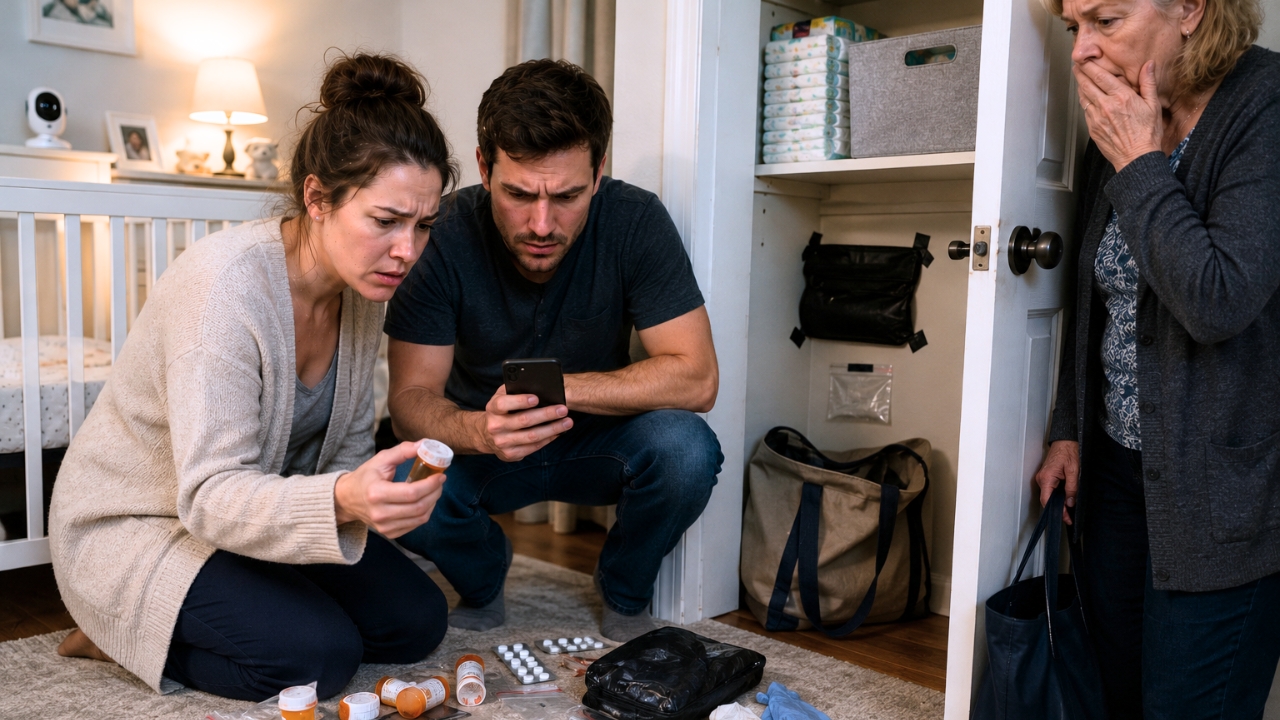
Photo credit: Thrivegirly
At first, it sounded like the kind of request new parents are told to welcome: a grandmother offering to help, asking to “take the baby for a bit” so her exhausted daughter and son-in-law could nap, shower, or fold laundry in peace.
But the asks kept getting more specific. She didn’t want to watch the baby in the living room while they cooked. She didn’t want them “hovering.” She wanted a closed door, quiet, and at least an hour at a time—sometimes more. And she always picked the same part of the house.
The requests got more intense, not less
The couple were first-time parents with a newborn who wasn’t sleeping in long stretches. The grandmother started coming by several times a week, often unannounced, carrying bags of groceries and insisting she was there to “make things easier.”
Her help came with a pattern. She asked for the baby immediately, then headed toward the nursery and shut the door. If the parents tried to follow, she’d redirect them with chores—start the dishwasher, take a shower, lie down. If they stayed nearby, she’d emerge and say the baby was “getting overstimulated.”
It would have been easy to write off as generational differences. But she also started nudging them out of the house entirely. She suggested they run to the pharmacy, pick up dinner, take a short walk. She offered to “keep an eye on things” while they were gone, then acted irritated if they returned sooner than expected.
Small details started adding up
The first red flag wasn’t about the baby at all. It was about what she avoided. The grandmother stopped using the upstairs bathroom and insisted on washing her hands in the kitchen sink even after diaper changes, like she didn’t want to pass a particular doorway.
Then there were the odd “mistakes.” She’d ask the parents to turn on the white-noise machine before she went into the nursery, even though it was already running. She’d reposition the baby monitor so the camera faced the crib wall, claiming she didn’t like “feeling watched.”
The parents noticed she always angled her body to block the line of sight into the closet when she came out of the nursery. She also started bringing a big tote bag that didn’t match a typical grandma visit. It looked more like something you’d use for storage.
What finally clicked was timing. Every request for private time with the baby lined up with the same thing: the parents were trying to get the house ready for a follow-up appointment with a home-health nurse who was scheduled to check in on the mother’s recovery. The grandmother always pushed for alone time right before those visits.
The parents tested a theory—and found what she’d been dodging
One afternoon, the father told the grandmother he needed to grab a package from the lobby of their apartment building, then quietly stayed in the hallway instead. The grandmother waited until she thought she was alone, then moved fast—closing the nursery door, turning up the white noise, and stepping into the closet area where the camera couldn’t see.
When the father opened the door, she jumped like she’d been caught doing something she wasn’t supposed to do. The baby was fine in the crib, but the closet door was slightly ajar, and the father noticed a faint smell that didn’t belong in a nursery. He also saw a small pile of plastic wrapping near the baseboard, like something had been hastily unpacked.
After she left, the couple did a deeper look. Behind a stack of extra diapers in the closet, they found a hidden pouch taped to the wall and a second bag shoved behind a storage bin. There were pills in mixed bottles, loose blister packs, and a small, used needle cap. It looked like the stash of someone trying to keep things out of sight, not like a forgotten medication organizer.
They also found a disposable glove and a fast-food napkin with dark stains. That’s when the “alone time” requests made a grim kind of sense. She hadn’t been trying to bond. She’d been trying to use the nursery closet as a private spot while holding the baby as cover—something that would make the parents less likely to walk in without knocking.
Confrontation turned into a safety and housing problem
The mother called her own doctor’s office first, because she didn’t know what she was looking at and didn’t want to mishandle anything. Then the couple removed the baby from the room and bagged what they found, taking photos with timestamps.
When they confronted the grandmother over the phone, she didn’t deny using the closet. She switched between insisting it was “not what it looks like” and accusing them of spying on her. She demanded the bags back and said they were “private medical things.”
The couple’s bigger fear wasn’t an argument. It was contamination and exposure. The baby’s nursery had been the site of whatever she was doing, and now the parents were wondering what had touched the changing table, the crib rails, the pacifiers, the diaper cream. They threw out anything porous, disinfected hard surfaces, and scheduled a pediatrician visit to talk through risk.
They also had to think about their building. If there were needles or drug paraphernalia involved, that wasn’t just a family issue. A dropped cap in the carpet, a pinprick from a cushion, or a forgotten bag could turn into a nightmare—especially if maintenance entered for repairs.
They ended up calling their landlord to request a carpet replacement for the nursery and to document a potential biohazard incident without naming anyone. The landlord asked for a written report and a date range, which forced the couple to put the timeline on paper.
Commenters focused on proof, boundaries, and not negotiating
When the parents described the situation to friends and a few trusted relatives, the reactions were consistent: treat it like a safety issue first and a relationship issue second. People urged them to install a lock on the nursery door, replace the baby monitor with one that alerts when it’s moved, and keep all visits supervised.
Others stressed documentation. Photos, a written summary of what was found, receipts for replacement items, and notes of any conversations. Several people pointed out that if the grandmother tried to claim the parents were lying or retaliating, contemporaneous records mattered.
A recurring piece of advice was to avoid a drawn-out family debate. No bargaining about “just ten minutes.” No meeting her alone to “talk it out.” If she was dealing with substance issues, family pressure could push her into more erratic behavior—especially if she felt cornered or embarrassed.
There was also practical discussion about whether to file a report. Some argued that involving authorities could force access to treatment and keep other grandchildren safe. Others worried it would escalate, especially if the grandmother lived in senior housing or had a job that required background checks. Even those who leaned toward privacy agreed on one thing: she couldn’t be alone with the baby again.
The hardest part was the emotional whiplash
The couple weren’t just angry; they were shaken. This was the person who’d insisted she was there to help, who’d kissed the baby’s forehead and offered to do night feedings. The realization that the nursery had been used as a hiding place made every earlier visit feel contaminated in hindsight.
They changed the locks after learning she’d once offered to “make a copy of the key in case of emergencies.” They told daycare staff, once the baby was enrolled, that no one besides the parents could pick up. They also warned a nearby relative who sometimes relied on the grandmother for rides, because it wasn’t just about one baby’s room anymore.
The grandmother kept texting in bursts—apologies, then blame, then promises to get help if they “stopped making it a big deal.” The parents didn’t respond beyond a single message: no more unsupervised visits, and any contact would be discussed later, after she could show proof of treatment and stability.
For now, the nursery door stays open when anyone is over. The baby is healthy. The parents are sleeping a little more. But every time someone offers to “take the baby so you can rest,” they find themselves watching hands, watching bags, and remembering how quickly a request that sounded loving turned into something they never expected to police in their own home.