MIL Did Something She Said Was No Big Deal — Then She Was Told She’d Never Be Alone With Her Grandson Again
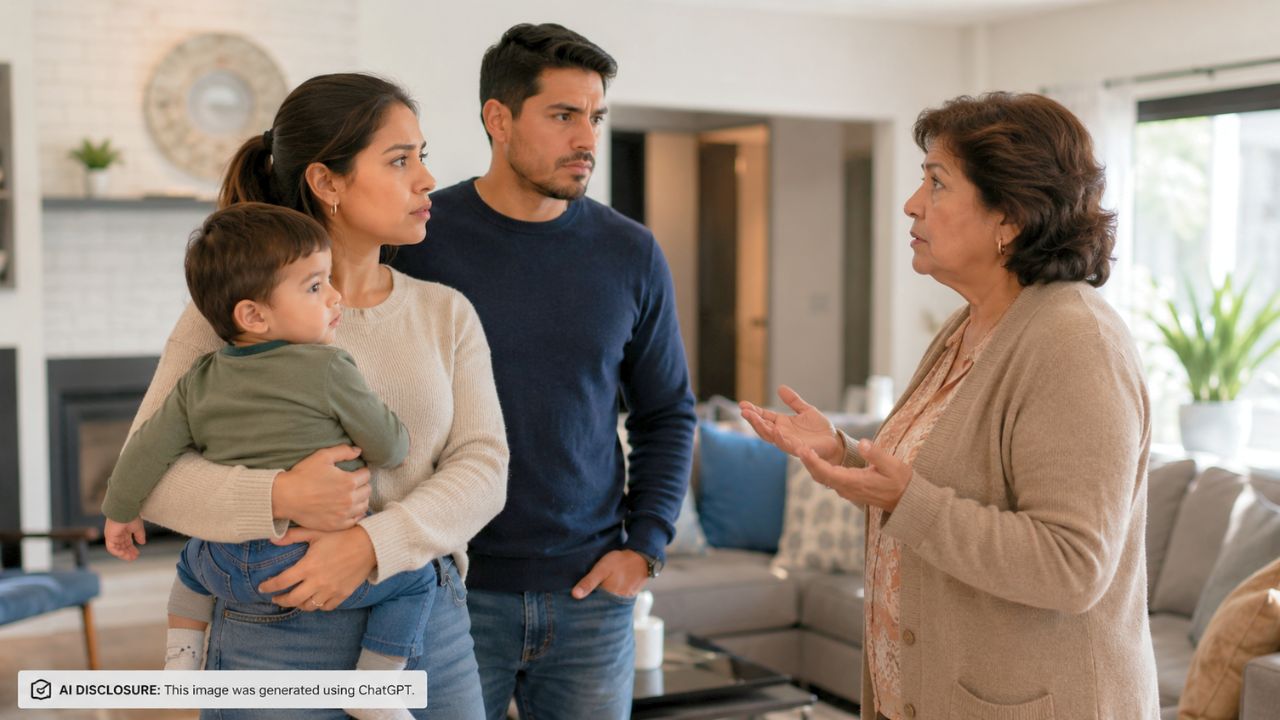
She thought she was doing the responsible thing: setting one clear safety rule for her 1-year-old son during visits with his grandmother. But after showing up early for a pickup, she says she walked into the exact scenario she’d been trying to prevent—her toddler on the floor in a playroom, no baby gate in place, and two large, untrained dogs alone with him.
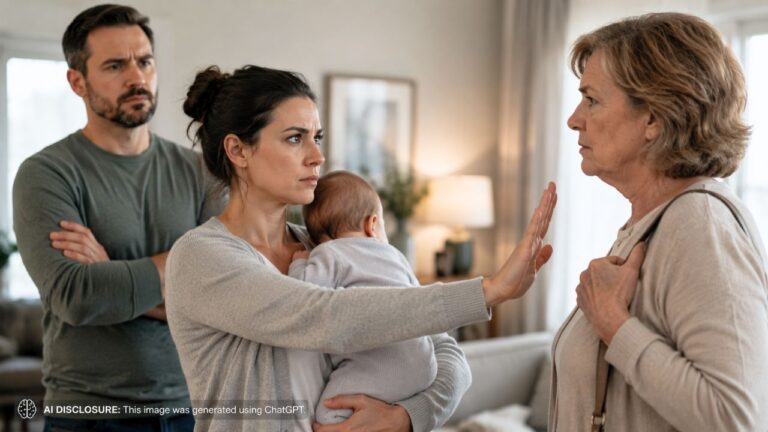
By the time she left the house, the relationship had shifted from tense to explosive. The mother told her mother-in-law that future time with the child would be supervised only. The grandmother’s response, she says, was to accuse her of overreacting and threaten to pursue “grandparent rights” if overnights and babysitting were taken away.
The rule was simple: keep the dogs away from the baby
The mom explained that her mother-in-law has a pattern of ignoring boundaries, but usually it’s “small things” she can let slide. This one wasn’t negotiable: the dogs.
The grandmother has two big dogs the mom describes as untrained and poorly socialized. Beyond her own past trauma around dogs, she says she believes small children should never be left alone with them, even if the dogs have never bitten before. Her compromise ask was specific: keep the baby gate up in the play area so the dogs couldn’t freely enter when her son was there.
Instead of agreeing outright, the grandmother pushed back. She told the mom the dogs weren’t used to being gated out of rooms because “this is their home.” The mom then offered an alternative—watch the toddler at the parents’ house instead—but that upset the grandmother because it would eliminate overnight visits.
Eventually, the grandmother reluctantly agreed to the baby gate plan, and the visits continued.
They arrived early—and found what she says she’d been fearing
The turning point came the weekend the toddler stayed overnight. The parents went to pick him up earlier than planned, and the child’s grandfather let them in. The grandmother didn’t hear them arrive.
As the mom walked back toward the playroom, she says she immediately noticed the gate wasn’t up. Worse, there was no adult in sight. The two dogs were in the room with her 1-year-old, and he was alone with them.
She grabbed her son and went looking for her mother-in-law, finding her on the other side of the house. She confronted her about leaving the child alone with the dogs after being explicitly asked not to. The grandmother’s reply, the mom says, was blunt: “well he wasn’t bit, was he?”
That didn’t calm things down. The mom said she tried to explain that the point wasn’t whether the toddler had already been hurt—it was that the risk had been created at all.
“Growl and snap” wasn’t the reassurance she expected
What shook the mom most wasn’t just that the dogs were loose with her child. It was what she says her mother-in-law admitted next.
The grandmother dismissed the concern as “dramatic,” then told the mom she had been letting the toddler pull the dogs’ tails and fur. According to the mom, the grandmother described the dogs’ reactions like it was normal: “the most they do is growl and snap at him, but they haven’t actually got him.”
For the mom, that wasn’t a near-miss—it was a warning sign. She says she was so shocked and upset she couldn’t keep arguing. Instead, she drew a firm line: “From now on if you’d like time with your grandson it will be supervised.” Then she walked away.
She told her husband what happened, and they left with their child.
The fallout hit fast, and the husband tried to stay neutral
On the drive home, the grandmother called her son crying. But when he spoke to both his mother and his wife, his position was hands-off. The mom says her husband told them he “wasn’t getting involved” and they should “sort it out ourselves.”
Later, the grandmother texted the mom with a different tone. She insisted the mom had “no right” to put limits on her time with the toddler and warned that if overnights and babysitting were taken away, she would pursue “court ordered visits” because she has “grandparent rights.”
The mom said she doesn’t believe the grandmother could actually get court-ordered visitation. Still, the threat landed as a major escalation—especially layered on top of the safety issue that sparked it.
Other relatives added pressure too. The mom said family members accused her of being in the wrong and argued that in Hispanic culture “Abuela has more say than mom,” and that by marrying into a Hispanic family and having a baby she effectively “agreed” to that dynamic.
Her husband ultimately told her he would go along with whatever she decided, but he also called her stance “excessive & mean.”
People zeroed in on the same thing: this wasn’t a “small” boundary
In the the original post, the mother framed the question as whether she was wrong to require supervision going forward. But the most striking detail is how far past her original boundary the grandmother seemed willing to go.
It wasn’t just a momentary lapse, like forgetting to put the gate up once. The grandmother’s comments suggested she didn’t view growling and snapping as red flags, and she was allowing rough toddler behavior with two big dogs she already knew were a concern. To many readers, that sounded like a recipe for a preventable emergency, not a parenting preference.
Others focused on the husband’s “stay out of it” approach. This wasn’t a disagreement about snacks or screen time; it involved supervision, a toddler, and animals that were already showing stress signals. If one parent sets a safety boundary and the other parent won’t back it up, it leaves room for the boundary to be negotiated away during the next emotional conversation.
And then there was the legal threat. Whether or not “grandparent rights” would apply, the fact that the grandmother went there at all changed the stakes. Once someone frames the conflict as a rights fight, it tends to harden positions and make informal compromises harder.
A new line has been drawn, but the family isn’t done fighting it
The mother’s bottom line is now clear: if the grandmother wants time with her grandson, it won’t be alone time. That doesn’t necessarily mean no relationship, but it does mean a relationship on the parents’ terms, with eyes on the child—especially around the dogs.
The hard part is that the grandmother appears to see supervision as an insult rather than a safety measure. Add in relatives pushing cultural arguments and a husband who won’t actively take the lead, and the mom is left enforcing the rule while absorbing most of the backlash.
For now, the toddler is home, unharmed, and the boundary has finally been put in writing through actions, not just conversation. Whether the grandmother accepts it—or tries to challenge it—will likely determine how much access she has moving forward, and how tense family gatherings become from here.