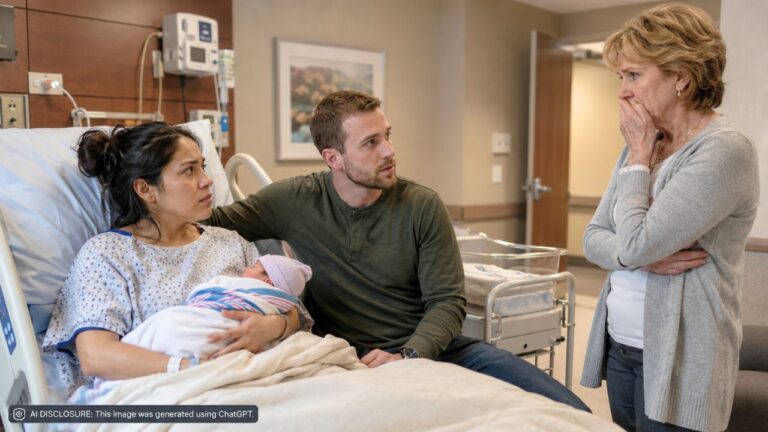
Her In-Laws Pushed for Unsupervised Time With the Kids on Day One — Then She Said Trust Had to Be Earned First
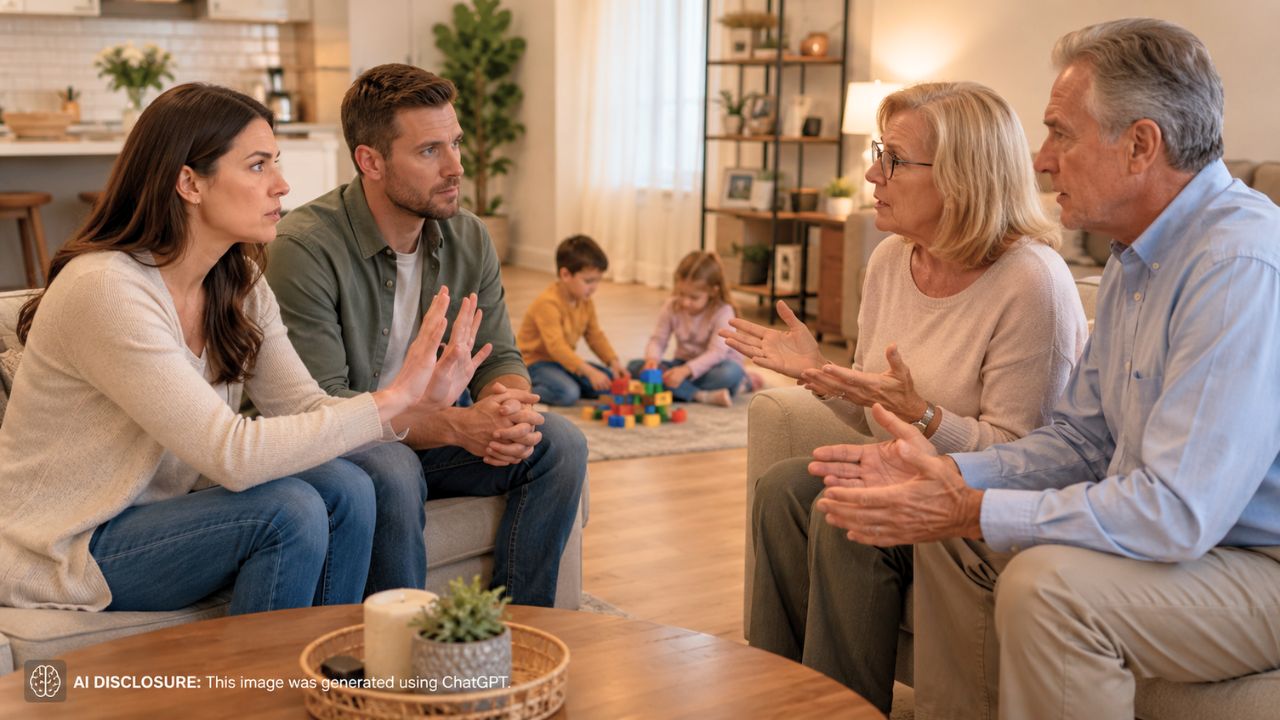
Two months after welcoming twins, a new mom thought she was doing what most parents do: keeping things simple, keeping the babies safe, and letting family meet them in ways that felt manageable. But one phone call turned that into a standoff about access, trust, and what “fair” looks like when the adults on one side of the family don’t feel stable.
The twins are the first grandchildren on both sides. That usually means nonstop excitement, constant requests for photos, and a steady flow of “when can we see them?” It also means expectations get set fast—sometimes before the parents have even caught their breath.
First grandkids, and the pressure started immediately
In the original post, the mother explains that both sets of grandparents are eager to be involved. The babies are only 2 months old, and the family dynamic is still in that fragile early phase where routines are new and boundaries are being tested.
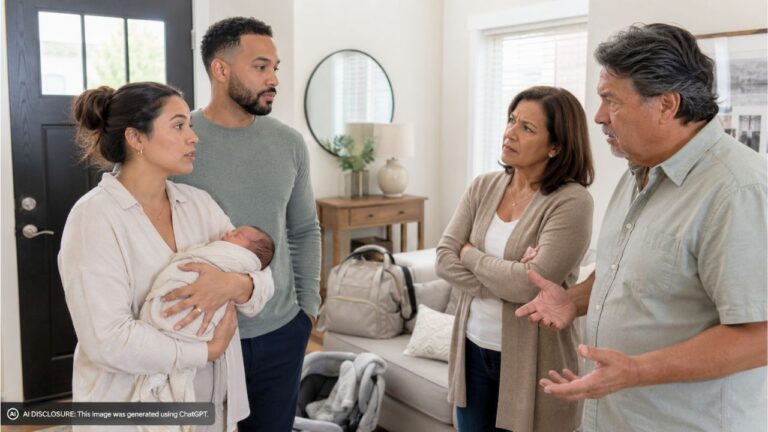
She and her partner have already allowed both sides to spend time with the twins during visits. She describes herself as present but not hovering—she’ll let the grandparents hold the babies and spend time with them, stepping in when the babies are handed back or when it’s time to breastfeed.
But there’s one bright line: she isn’t comfortable with her in-laws having the twins alone.
Why “alone time” felt like a different level of risk
Her reasoning isn’t about minor differences in parenting styles. She says her in-laws have a “terrible marriage” and are “always screaming and fighting,” no matter where they are. On top of that, she describes her father-in-law as an alcoholic.
She adds that he’s never put anyone except himself in danger, but that fact doesn’t erase the anxiety. Two-month-old twins can’t communicate distress, can’t move away from chaos, and require steady attention. For this mom, the idea of leaving them in a house where arguments regularly boil over simply doesn’t feel like a reasonable gamble.
It’s not that she’s banning contact. She’s still showing up for visits. The key point is supervision—being in the room, having eyes on the babies, and knowing she can step in quickly if the adults’ fighting escalates or if caregiving gets sloppy.
The comparison that set everything off
The imbalance became obvious because her own parents do get unsupervised time. She says that on a few occasions—like running errands or going on date nights—she and her partner have left the twins with her parents.
That detail matters because it turns a safety boundary into a perceived slight. To the in-laws, it doesn’t look like “different households, different comfort levels.” It looks like favoritism, with one set trusted automatically and the other treated like a problem to manage.
The mom doesn’t deny that the arrangements are different. She even concedes she “may be” playing favorites. But in her mind, the difference is earned: her parents are safe enough to babysit, and her in-laws haven’t shown they can provide the same environment.
The request wasn’t just for babysitting—it was for taking the babies away
The tipping point came when her mother-in-law called with a specific ask: she wanted to bring the twins to her house. The mom can’t remember the exact reason, but she thinks it was to show them to friends from out of town.
She said she was busy that day. Instead of dropping it, her mother-in-law offered a workaround—she could pick up the twins and watch them. That’s when the mom said plainly that she was uncomfortable with the idea.
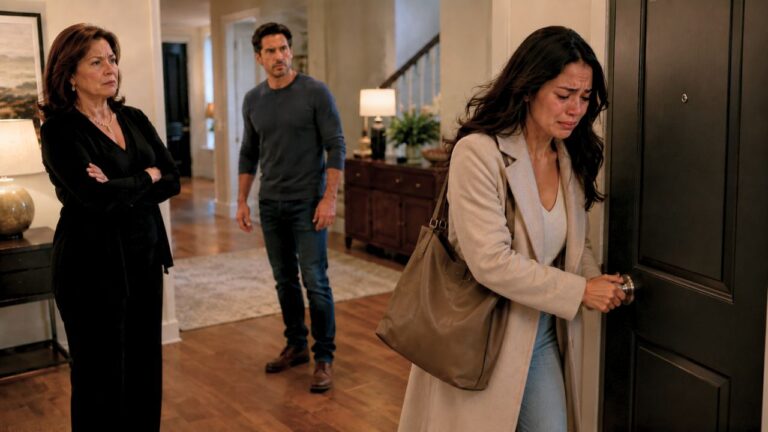
It didn’t land as a neutral boundary. It became a fight. The mother-in-law accused her of keeping the grandchildren away and of favoring the other grandparents. Suddenly, it wasn’t about one afternoon. It was about status in the family and who gets to claim a role with the babies.
For the mother, this is where “trust” became the unspoken central issue. Supervised visits say, “You can be part of their lives.” Unsupervised time says, “I’m confident you can handle anything that comes up.” She wasn’t willing to make that leap with adults who, in her experience, can’t keep their own conflict from spilling into every setting.
What people zeroed in on: safety beats symmetry
Commenters largely framed it as a safety decision, not a fairness contest. The core idea was that equal treatment only makes sense when the circumstances are equal—and in this family, they aren’t. A household marked by frequent screaming matches and alcohol misuse isn’t the same as a household the parents already trust for date-night childcare.
Several also focused on how young the twins are. With newborns, people tend to have less patience for “give them a chance” arguments, especially when the request involves transporting the babies away from their mother. The fact that the babies are breastfed adds another practical layer: even if someone can handle a bottle, the mom still has to plan around feeding and pumping, and she’s the one living with the consequences if the babies’ schedule gets thrown off.
The other major point was control. The request wasn’t, “Can we come over and spend time with them?” It was to take them to another location and potentially use them for a social visit. That can feel less like bonding and more like a public display—especially to a new parent who’s already cautious about stress, noise, and unpredictable adult behavior around infants.
Where the family goes from here
The mom’s question—whether she was being unreasonable—hangs over a bigger reality: this isn’t a one-time disagreement. The in-laws want a level of access that the parents aren’t ready to grant, and the accusation of favoritism suggests they’re likely to keep pushing.
She’s already offering what she considers meaningful time: visits where the grandparents can hold the babies and interact with them. But the in-laws appear to be measuring love in overnights, pick-ups, and private time—milestones that can turn into power struggles when boundaries are new and emotions are high.
For now, her stance is simple: if the adults can’t keep their household calm, they don’t get the kind of alone time that requires calm. And with two-month-old twins, she’s not treating “prove it” as an insult. She’s treating it as the price of admission.