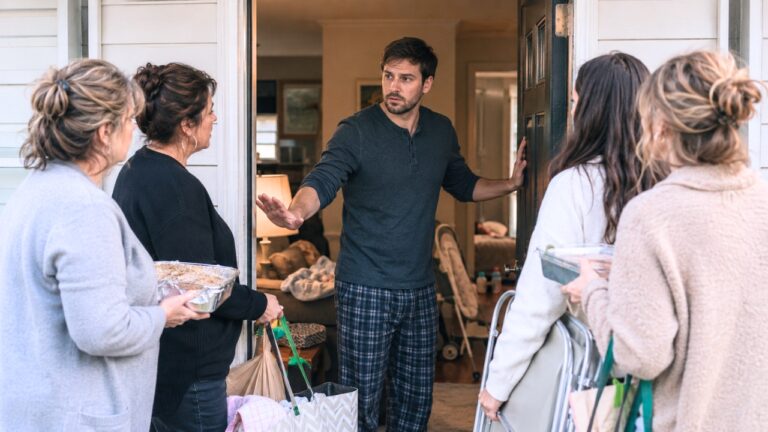
Stepdad Assumed He’d Walk the Bride Down the Aisle — Then She Announced Who Was Actually Doing It
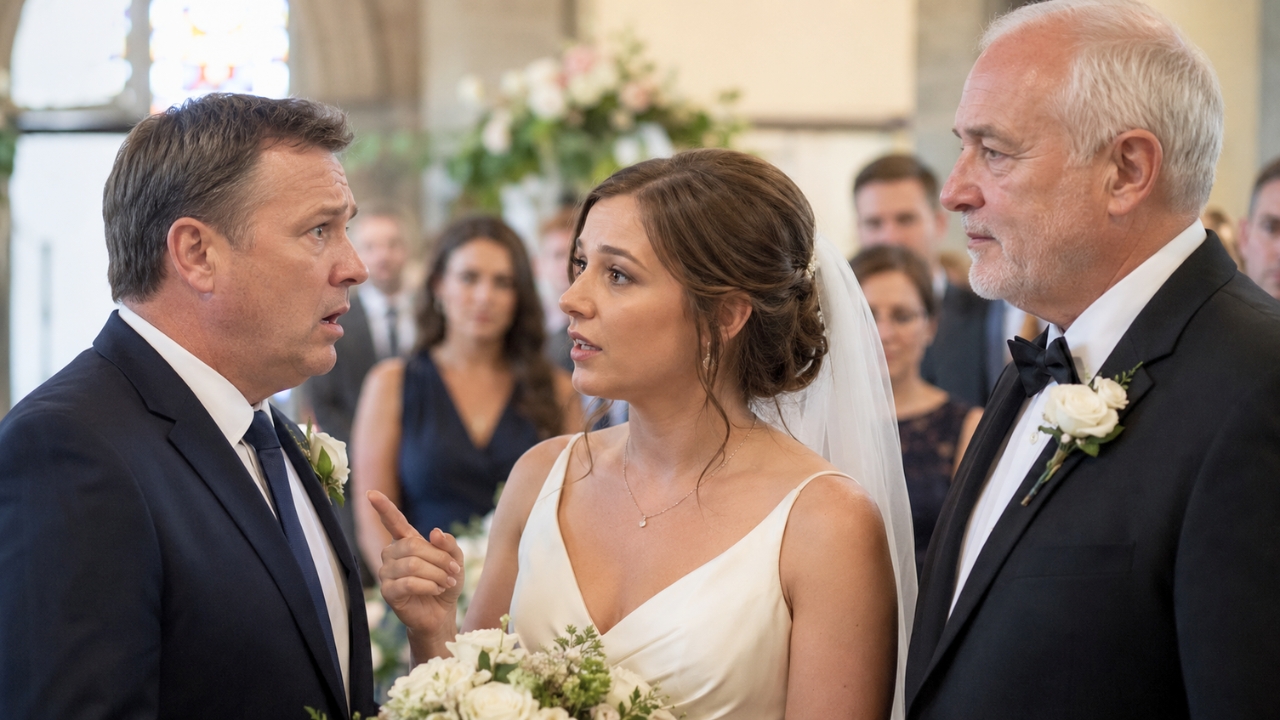
With three months left before the wedding, the bride thought the hardest part would be final head counts and vendor emails. Instead, the biggest fight in her family became who would take her arm and walk her toward the altar.
For years, her stepdad had talked like it was a given. He’d helped with car repairs, co-signed a student apartment once, and liked to remind everyone he “showed up” when others didn’t. At family dinners, he’d casually referenced the moment like it was already scheduled into the ceremony timeline.
But the bride had made a different plan quietly, and when she finally said it out loud, the room went cold.
The assumption had been building for years
The bride’s parents split when she was young, and her mom remarried a few years later. Her stepdad became a constant presence—school pickups, birthdays, graduation photos—while her biological father drifted in and out with long gaps and big promises.
As she got older, their relationship improved, but it was never simple. Her father missed milestones and struggled with steady work, yet he kept reaching out. She kept meeting him halfway, sometimes literally, driving to neutral places to avoid the tension between households.
By the time she got engaged, she’d rebuilt something with him that felt fragile but real. She didn’t want the wedding to be a reward for perfect parenting. She wanted it to reflect what she was choosing now.
Her stepdad, meanwhile, treated the role of “dad” as something he’d earned through time served. The expectation wasn’t just emotional; it had become part of his identity.
She told the truth in a planning meeting
The clash didn’t start at a big family event. It started during what was supposed to be a practical meeting: venue walk-through, processional order, who stands where. Her mom, stepdad, and fiancé were there, and the coordinator asked about the aisle walk.
The bride answered in a calm, almost rehearsed way. She said her biological father would be walking her down the aisle.
Her stepdad didn’t yell in the moment, but the reaction was instant. His face tightened, and the questions that followed weren’t curious. They were pointed, like he was cross-examining a decision he believed she didn’t have the right to make.
Her mom tried to smooth it over, suggesting compromises right away—two escorts, a “handoff,” some kind of shared moment. The bride said she’d thought about that and didn’t want it. She wanted one person, and she wanted it to be her father.
The argument spilled into money, logistics, and control
Within a day, the disagreement moved from feelings to finances. The stepdad had offered to pay for part of the reception package, and now the offer became leverage. He didn’t threaten in so many words, but the message came through: if he wasn’t honored, he wasn’t interested in funding.
That shifted everything. The bride and her fiancé pulled up their budget, started calling vendors, and asked what could be adjusted without losing deposits. A couple of payments had already been made from her mom’s account, and the bride worried those would now come with strings attached.
The tension escalated in smaller ways too. Her stepdad stopped responding to group texts about wedding tasks he’d volunteered for. When her mom called, she seemed tired and careful, like she was trying not to set off an argument in her own house.
The bride started documenting things, not because she wanted a court case, but because she could feel the situation tilting into a power struggle. She saved messages about money, took screenshots of vendor agreements, and asked her fiancé to be copied on every conversation with her mom’s side of the family.
The fallout hit at home and in public
The first truly ugly moment happened at a family dinner a week later. The stepdad brought it up in front of relatives, framing it as betrayal. The bride tried to keep her voice level, but the conversation turned into a recounting of old grievances—who paid for what, who showed up, who didn’t.
When she left early, her phone lit up with calls and long texts. Some were from relatives who hadn’t been part of her day-to-day life but felt entitled to weigh in. Others were from her mom, urging her to “think about the bigger picture,” which sounded to the bride like “keep the peace.”
At the same time, her biological father heard about it and panicked. He worried he was the reason she was losing support and offered to step aside. That made her dig in harder. She told him she wasn’t doing this to punish anyone; she was doing it because it mattered to her.
The stepdad then tried a different tactic: proposing a speech that would “explain” the family history to guests. The bride shut that down immediately. She didn’t want her ceremony turned into a referendum on who deserved what.
Commenters zeroed in on boundaries and paper trails
People who heard about the situation focused less on the symbolism and more on the practical danger signs. They pointed out how quickly the disagreement turned into financial pressure, and how that can snowball as the wedding gets closer.
The advice leaned toward reducing points of control. They suggested moving payments into the couple’s accounts, updating vendor contacts so no one else could change details, and making sure deposits and contracts were saved in multiple places. Some also mentioned password-protecting vendor accounts, because “helpful” relatives sometimes attempt “fixes” that are really just interference.
Others urged the bride to avoid debating her choice repeatedly. The more she tried to justify it, the more it invited negotiation. Several people advised a simple, consistent line: the decision is made, and the conversation is over.
A smaller group suggested a security plan for the actual day. Not because they expected violence, but because emotional scenes can happen fast. Having a coordinator, a trusted friend, or a hired security person ready to intercept a confrontation was seen as a smart precaution.
The wedding plan moved forward, but the relationship didn’t
In the following weeks, the bride and her fiancé quietly restructured their plans. They trimmed extras, picked a smaller bar package, and stopped relying on promised money that could be pulled at any time. It meant sacrificing some things they wanted, but it also meant sleeping at night.
Her mother still wanted a reconciliation, but it came with conditions the bride couldn’t accept. The stepdad wanted recognition that matched his expectation, not a role shaped around what the bride felt comfortable with.
Eventually, the bride sent a short message that laid it out: her father would walk her down the aisle; there would be a separate family photo moment for her stepdad; and any further pressure would result in fewer responsibilities and less access to planning details. She asked that future communication go through her, not through relatives.
The tension didn’t magically disappear. But the closer the wedding got, the more the bride treated it like any other high-stakes project: fewer open debates, tighter logistics, and clear lines around who gets a vote. The ceremony was still on. The question was whether everyone who expected a spotlight would be willing to show up without it.