Mother-in-Law Treated the Baby Visit Like a Photo Shoot — Then the Parents Took the Baby Back
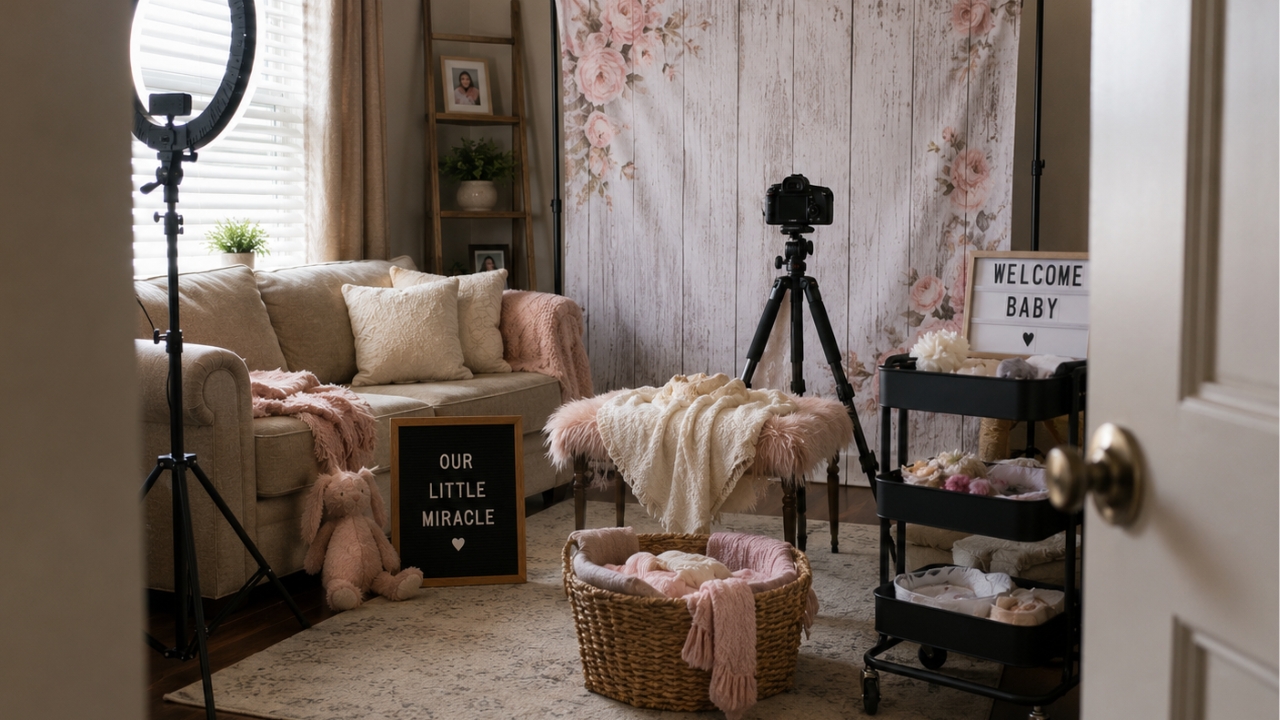
Photo credit: Thrivegirly
The parents thought they were agreeing to a simple first visit: a quiet afternoon, a little bonding time, and then back home before the baby’s next feed. They packed extra bottles, a change of clothes, and the stroller, trying to keep the whole thing low-stress. The baby was only a few weeks old, and they’d already had to field plenty of opinions about sleep schedules, diapers, and “the right way” to hold a newborn.
But the moment they stepped through the front door, it felt like they’d walked onto a set. A ring light was already plugged in near the window, and a backdrop had been taped to the wall in the living room. The mother-in-law didn’t greet them with the usual question about how everyone was doing. She went straight for the baby’s carrier and started directing the room like she’d planned it all morning.
A “quick visit” turned into staging and props
At first, the parents tried to roll with it. New grandparents get excited, and a few photos didn’t seem like the end of the world. The problem was how fast it escalated from snapping a couple pictures to running a full session.
The mother-in-law wanted outfit changes, a special blanket, and posed shots on the couch with different throws. She asked the baby’s mother to step out of the frame because she didn’t like the shirt she’d worn for the drive over. Then she asked the father to “just hand the baby over” so she could get the angles without anyone blocking the light.
The baby started fussing, and the parents recognized the sound: hunger and overstimulation. The mother-in-law kept shushing and bouncing, insisting the baby was “fine” and would settle once the camera clicked. When the mother reached in to take her child back, she was told to wait, because they were “almost done.”
The parents hit their limit when the boundaries got brushed off
The mother had already told everyone ahead of time: no kissing the baby, sanitize hands, and if the baby cries, they stop. The couple had also asked that no photos go online without permission. It wasn’t about being controlling; it was about privacy and keeping routines predictable while they were barely sleeping.
During the “shoot,” the mother-in-law repeatedly adjusted the baby’s head and arms to hold a pose, even when the baby stiffened and started wailing. She tried to coax a smile by getting too close to the baby’s face. The father saw her lean in for what looked like a kiss and stepped forward immediately.
That was when the mood changed. The mother-in-law acted offended, like the parents were accusing her of something. She insisted she’d raised kids and knew what she was doing, and she complained that the parents were “making it weird.”
The baby’s mother asked for the baby back, firmly, with both hands out. Instead of handing the baby over, the mother-in-law pivoted away and said she just needed “two more” photos, as if the parents were assistants on her schedule. The father didn’t argue. He walked up, placed his hands under the baby, and took their child back.
The tension spilled into the rest of the family
Once the baby was in their mother’s arms, the couple did what they’d promised themselves they would do if the visit went sideways: they left. They didn’t stay to debate. They didn’t wait for an apology that wasn’t coming. They buckled the baby into the carrier and headed for the door while the mother-in-law followed them, talking faster with every step.
Outside, the father loaded the car while the mother soothed the baby. The mother-in-law kept texting as soon as they pulled away—first pleading, then angry. By the time they got home, messages had already started coming from other relatives.
Some family members framed it as a misunderstanding, suggesting the parents “overreacted” because they were tired. Others pushed harder, saying the mother-in-law was “just excited” and the parents needed to loosen up. A few people hinted that the parents were withholding the baby out of spite, which added a fresh layer of stress to an already raw postpartum period.
The photo issue became a real-world privacy problem
The next morning, the baby’s mother noticed notifications on her phone. A relative had tagged her in a private family group post: a slideshow of the session. The baby was clearly upset in several shots, face red and eyes squeezed shut, but the captions framed it like a cute behind-the-scenes moment.
The parents hadn’t agreed to any of it being posted, even to a group. They worried about screenshots, resharing, and the simple reality that once images are online, they can travel farther than anyone intends. They’d also been clear about limiting the baby’s digital footprint, especially while they were still sorting out basic safety routines.
The father asked the mother-in-law to take the photos down. She refused at first, claiming they were “hers” because she took them in her home with her camera. The couple responded the only way they felt they could: they documented the request in writing, repeated it, and made it clear future visits would not happen if their boundaries kept getting ignored.
When the posts stayed up, the mother filed reports through the platforms for images of a minor shared without parental consent. It didn’t fix the relationship, but it did put a consequence on the behavior. Some of the photos came down within a day. Others lingered until a second round of reports and more messages to family members asking them to delete anything they’d saved.
Commenters focused on proof, safety, and not negotiating in the moment
People who heard the story—friends, neighbors, and a couple of older relatives who remembered their own boundary battles—kept circling back to the same advice: stop trying to win the argument and start controlling the environment. They encouraged the parents to keep visits short, meet in public spaces where “photo shoot” setups aren’t possible, and leave at the first sign of pushback.
They also emphasized documentation. Save texts, keep screenshots of posts, and write down what happened while it’s fresh. Not because every family dispute needs lawyers, but because patterns matter. If it becomes a recurring issue—unwanted posting, refusing to hand the baby back, or ignoring health rules—having a clear timeline can help the couple hold firm when the pressure ramps up.
A few people brought up practical safety steps too. If the mother-in-law has a habit of grabbing the baby the moment they walk in, the parents can baby-wear. If there’s constant staging, they can make it a rule that there are no cameras during visits, or that all photos must be taken on the parents’ device. Others urged them to check local laws and platform policies around posting a minor’s image, especially if the mother-in-law tries to weaponize “grandparent rights” talk to scare them into compliance.
The hardest part was resetting expectations without cutting off everyone
The couple didn’t want a permanent family split. They wanted something simpler: respect. They drafted a short message they could send to everyone who reached out, repeating the same points without adding fuel—baby’s needs come first, parents decide when visits end, and photos don’t get posted without permission.
The mother-in-law pushed back with a new tactic: offering to “apologize” if she could get another visit right away. The parents didn’t take the bait. They told her the next visit would happen only after she acknowledged what happened and agreed to the rules in writing, including taking down the remaining photos and not setting up any staged sessions.
For now, visits are on pause, and the family group chat is quieter than it used to be. The parents have leaned on a small circle of supportive people and focused on getting through the newborn weeks. The tension hasn’t disappeared, but the couple feels clearer on one thing: if someone treats their baby like a prop, the visit ends, no matter whose house they’re in.