Grandparents Wanted the Baby Brought to Them — Then the Mom Said They Could Make the Drive Instead
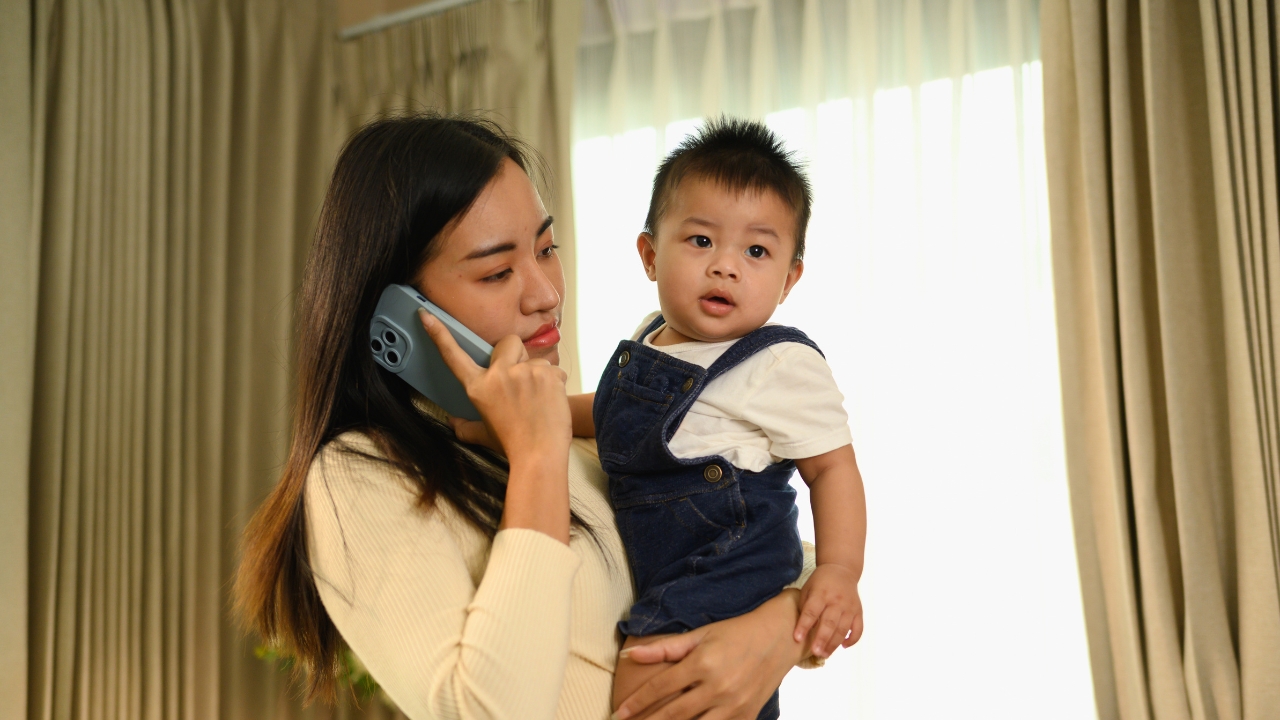
A young mother said she never stopped her son’s paternal grandparents from seeing him, but the grandparents were still threatening court because they did not like the terms of the visits.
The 23-year-old mother shared the situation on Reddit, explaining that her son was 1 year old and that his paternal grandparents had been invited to visit him since he was born. The issue was not whether they could see him. The issue was where the visits happened and whether they would be allowed to take him alone.
According to the poster, the grandparents hated when she told them to come to her home.
From the first visit, they wanted a different arrangement. They told her they wanted to pick up the baby, give her a break, and have her bring him over to them instead. But the baby’s father was not comfortable with his parents being alone with the child, and the poster said that was something she and the father had already agreed on.
Their son was not going to be alone with the paternal grandparents.
There was also a practical reason the mother did not want to make the drive. Her baby cried in the car seat, even during quick trips to the store. The grandparents lived 45 minutes away, which meant the baby would have to spend about an hour and a half in the car round trip. For a 1-year-old who struggled in the car, that was not a small ask.
So the mother kept offering what she believed was a reasonable compromise. When the grandparents wanted to see him, she invited them over.
She said there were a few times she had to cancel, but for the most part, she always gave them another day she was available. She also did go to their house twice: once for a small party and once for Christmas.
From her perspective, she had not cut them off. She had not refused all visits. She had not kept the child hidden away. She had opened her home and offered times for them to come see their grandson.
Then things took a legal turn.
A few weeks before the post, the baby’s father told her that his parents wanted to take her to court for grandparents’ rights.
The mother was confused. She had never denied them access to her son. If they asked to see him, they could see him. The problem was that they often did not ask her directly. They would ask the baby’s father, then seemed confused when he told them to text her. Aside from that, she said they did not even text her to ask how the baby was doing.
The latest conflict happened after the father told her his parents wanted to see the child. The poster sent them a message saying she was free on a certain day and that they could come over. Her own mother then told her she was wrong for asking them to come to her house when that was not what they wanted.
The woman brought the situation to Reddit in a post titled “AITA for making my son’s grandparents come to me for visits?”: https://www.reddit.com/r/AmItheAsshole/comments/s8jibw/aita_for_making_my_sons_grandparents_come_to_me/
The conflict came down to two very different views of what “access” meant.
The grandparents seemed to believe access meant getting the baby in the way they wanted: at their house, possibly without the mother present, and with the mother doing the work of transporting him. The poster believed access meant they were welcome to visit him, as long as the visits happened in a way that worked for the baby and respected the parents’ limits.
That difference mattered.
A 45-minute drive might not sound like much to adults, but for a baby who cries in the car seat, it can be miserable. It also disrupts naps, feeding, routines, and the rest of the day. The grandparents were asking the mother and baby to carry the burden of travel so they could have the visit on their preferred turf.
The unsupervised part made the situation even more serious. The baby’s father was not comfortable with his parents being alone with the child. The poster did not explain every reason behind that concern, but she made it clear that both parents had already agreed on the boundary. That should have mattered more than what the grandparents wanted.
Instead, the grandparents appeared to treat the boundary as unfair.
The threat of grandparents’ rights changed the whole tone of the disagreement. Before that, the mother was trying to keep visits available. After that, every text, offer, and canceled visit could potentially become evidence in a legal argument. The grandparents were no longer just annoyed that she would not bring the baby to them. They were threatening to involve the court because they did not like being told no.
The mother later responded to commenters and said she had opened communication and opened her home for visits. She did not feel she was preventing them from seeing her son. She also said she planned to stick to her boundaries because her son was their grandchild, not their child. In another comment, she said her mother had already written down every time they had visited so they could not claim she never allowed them to see him.
That detail showed how quickly the family dynamic had shifted. What should have been ordinary grandparent visits now had to be documented.
The poster also said the baby’s father was not on the birth certificate and that they had worked out his visits informally. That made the grandparents’ threat even murkier, but the mother still planned to contact a lawyer to understand her options and protect herself.
The most frustrating part for the mother seemed to be that she had been trying. She had offered visits. She had gone to their house twice. She had not shut them out. But because she would not do everything exactly their way, they escalated to threats.
For her, the boundary was simple: they could come see their grandson, but she was not going to put him through a long car ride or hand him over alone just to satisfy adults who refused to meet him where he was.
What commenters said
Commenters overwhelmingly told the mother she was not wrong.
Many said she had been more than reasonable by allowing visits at her home. If the grandparents chose not to come because they wanted the baby delivered to them instead, commenters said that was their choice, not proof that the mother was denying access.
Several focused on the baby’s needs. A 90-minute round trip for a child who cries in the car seat sounded unnecessary when the grandparents were able to drive themselves. Commenters said the arrangement should be based on what was best for the child, not what was most convenient for the adults.
Others said the threat of grandparents’ rights should be taken seriously, even if the grandparents might not have a strong case. Commenters urged the mother to speak with a family-law attorney, save texts, and keep records of every offered visit, every completed visit, and every time the grandparents declined.
A common warning was that once legal threats are made, casual communication should stop or at least move into writing. Several commenters suggested that any future visit arrangements happen by text or email so there would be a clear record.
Some also told the poster to get the baby’s father’s concerns about his parents in writing. Since he was the one who did not want them alone with the child, commenters said it could matter later to show that both parents had agreed on supervised visits.
The strongest advice was to stop treating the grandparents’ demands as harmless complaining. They had access, but they wanted control. If they truly wanted a relationship with their grandson, they could come visit him under the parents’ reasonable rules. If they refused because they could not have everything their way, that was on them.