Homebuyer Was Pressured to Sell the House Back for Less — Then the Family Drama Got Absurd

Photo credit: ElenaKaretnikova/Shutterstock.com
A homebuyer who thought he had purchased a house in a normal sale said the situation turned bizarre when the previous owner came back with a demand: sell it back to him, and do it for less than what was paid.
The man had bought the house legally. The sale was complete. The paperwork was done. The home was his.
But the former owner apparently did not see it that way.
At first, the buyer thought maybe there had been some misunderstanding. Real estate deals can be emotional, especially when someone regrets selling a family home or realizes too late that moving on is harder than expected. But regret does not undo a sale. Once a house is sold, the old owner cannot simply return and demand a second chance because the decision no longer feels good.
That did not stop him.
According to the Reddit post, the former owner reached out and said he wanted the house back. The buyer was surprised, but the request became even more unreasonable when the seller expected to buy it back for less than the original sale price.
The buyer refused.
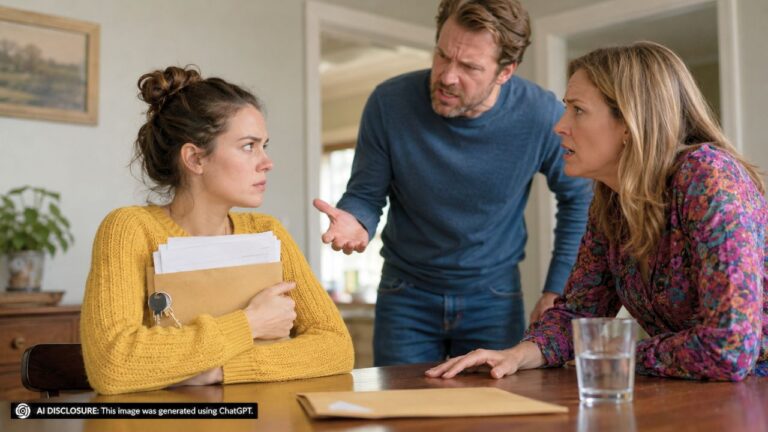
That should have ended it. Instead, the former owner and his family began pressuring him. They acted as if the buyer was doing something cruel by keeping the home he had purchased. From their perspective, the house had emotional meaning. From his perspective, it was his property now, and he had no obligation to reverse a completed sale at a loss.
The situation grew more uncomfortable as the family tried to turn the buyer into the villain. They wanted him to absorb the financial hit, disrupt his life, and hand back the house because they regretted letting it go. They were not offering a serious above-market buyout or compensation for the trouble. They seemed to believe the buyer should simply cooperate because it would make them feel better.
That is where the story moved from awkward to absurd.
Buying a home is not like borrowing someone’s truck or returning a sweater. It involves inspections, financing, legal documents, moving plans, closing costs, and long-term life decisions. The buyer had likely arranged his life around owning that house. Asking him to sell it back was already a major request. Asking him to do it for less than he paid made it almost insulting.
Commenters immediately told him not to entertain the demand. Many said if the former owner truly wanted the house badly enough, he could make an offer so high that moving would be worth it. Otherwise, the conversation should be over.
The buyer seemed to understand that. He had not done anything wrong. He had not tricked anyone into selling. He had not taken advantage of a hidden situation. He bought a house that was for sale, and now the people who sold it wanted to rewrite history.
The pressure did not only come from the former owner. Family members got involved too, making emotional arguments about what the home meant to them. That made the situation harder because grief, nostalgia, and regret can sound persuasive when people frame them as moral claims. But sentiment does not transfer ownership.
The buyer had to hold a boundary that should have been obvious: the house was not theirs anymore.
In the update, the conflict still had a surreal quality. The former owner and his family continued acting as if the buyer owed them cooperation, while the buyer and commenters kept coming back to the same simple fact: the sale was complete.
The buyer did not need to justify keeping the house. He did not need to debate the former owner’s feelings. He did not need to explain why selling back at a loss made no sense. A house cannot be emotionally repossessed because the previous owner regrets the closing.
By the end, the situation looked less like a real estate negotiation and more like a family trying to use guilt as a substitute for ownership. The buyer had the deed. The former owner had regret. Only one of those carried legal weight.
Commenters were strongly on the buyer’s side. Many said the former owner’s request was ridiculous from the start, but asking to buy the house back for less than the sale price made it even worse.
A lot of readers said the only reasonable response would be an extremely high offer — enough to cover moving, closing costs, inconvenience, taxes, emotional trouble, and a profit large enough to make leaving worthwhile. Anything less was not a serious offer.
Several commenters warned the buyer not to keep engaging with the family because emotional pressure can turn into harassment. They suggested saving messages, keeping communication in writing, and speaking with a lawyer if the former owner continued pushing.
The strongest reaction was that seller’s remorse is not the buyer’s problem. Once the house was sold, the former owner lost the right to treat it like family property. If he wanted it back, he needed to make an offer the new owner actually wanted to accept — not demand a discount on his own regret.