Son Finds Out His Stepdad Ruined the House His Father Left Him — Then His Family Calls Him Heartless for Making Them Leave
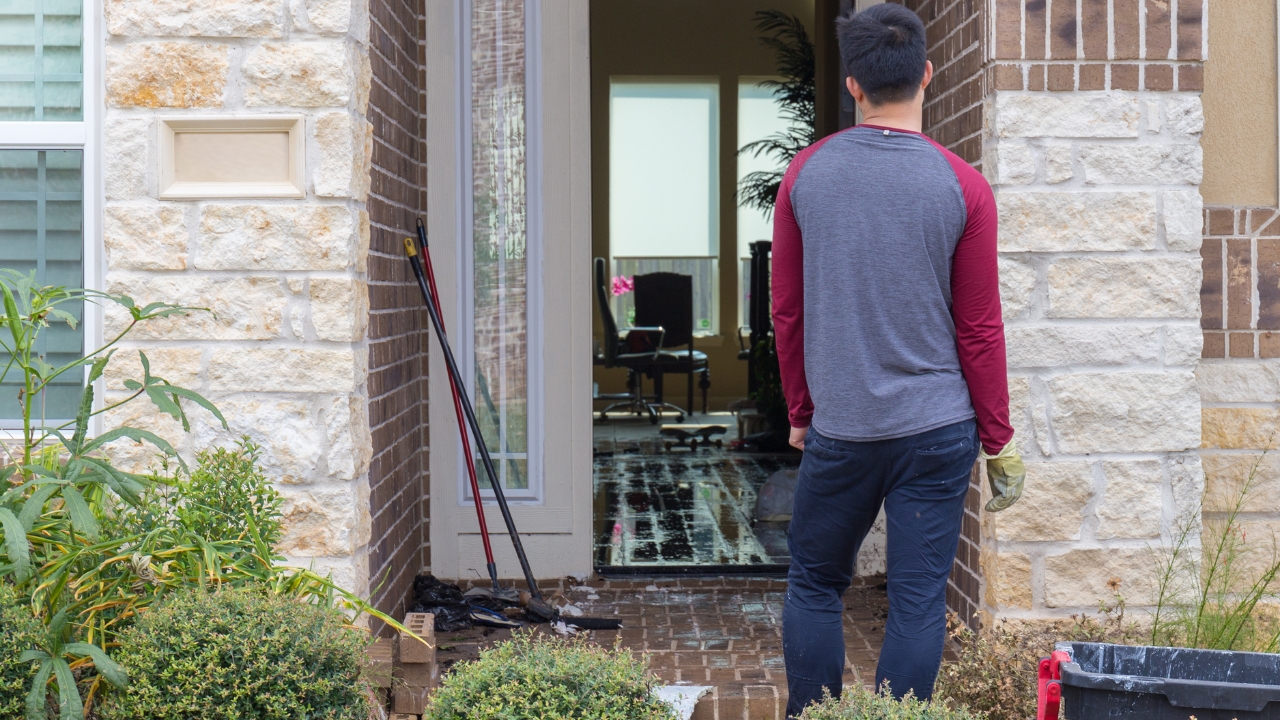
A man said the house was one of the last big things his father left behind.
His parents had been divorced for more than 20 years when his dad died, and the house went to him in the will. He already owned a home in California, so for a while, he rented the Texas house out. Then his mother and stepfather needed somewhere to live, and he agreed to let them stay there.
The deal seemed simple. They would pay the property taxes, cover the bills, and maintain the home. His stepfather considered himself handy, so the man did not mind if he handled small repairs. The one clear boundary was that major problems needed to be brought to the owner first.
That did not happen.
According to the Reddit post, the man lived in California while the house was in Texas. His mother repeatedly assured him that everything was fine and that the home only needed normal upkeep. Then a stretch of windy weather brought the whole situation crashing down — literally.
A tree fell through the roof above the living room.
The man sent a roofer friend to inspect the damage for an insurance estimate. The roofer looked beyond the obvious hole in the roof and sent back photos from the attic and foundation. What he saw was not normal wear and tear. He said someone had worked on the house who clearly did not know what they were doing.
The man called his mother.
She told him his stepfather had “fixed” things and not to worry.
That answer did not sit right, so the man traveled to Texas with a home inspector. That inspection showed the house was in far worse shape than he knew. The problem was not only the roof. The plumbing, electrical, HVAC, attic, and pier-and-beam foundation had all been affected. He later said plumbing had been rerouted so sinks and toilets shared the same outlet, the house smelled terrible during backups, the foundation had been leveled with shims and cinder blocks, the AC system had one return for the entire house, and the wiring was a mess.
The inspector’s conclusion was brutal: the house was beyond repair.
The man was furious at himself as much as anyone. His father had trusted him with the property, and he felt like he had failed by not checking on it more closely. But the reality was clear. The house was no longer safe. Fixing it properly would cost more than made sense. Selling the land likely meant tearing the house down.
So he told his mother and stepfather they had 60 days to leave.
He did not leave them with nothing. He offered to help pay for them to find another place. He was willing to cover move-in costs, movers, and necessities, and even put a decent down payment toward a suitable home for them from the eventual sale of the property. He clarified later that he was not handing them the full sale amount, which he estimated at more than $300,000. He just wanted them to have a soft landing.
His family still turned on him.
His sisters and other relatives accused him of uprooting his mother at a stage in life when she could not start over. They framed it like he was kicking her out, even though he was trying to explain that the house was unsafe. To him, the real problem was that nobody wanted to deal with the consequences. They wanted him to keep being the provider while they judged every hard decision from the sidelines.
Then the city got involved.
In an update, the man said the house had officially been condemned. His mother and stepfather moved in with his oldest sister while they figured out a longer-term plan. They declined his offer to hire movers, partly because he doubted anyone would even want to work inside the house. They were allowed to retrieve what mattered most before the city shut down access.
Once he shared the city’s findings with the wider family, most relatives understood. His sisters were the holdouts. That argument made something clear to him: they were comfortable criticizing him because the responsibility had not fallen on them yet. Once his mother and stepfather needed somewhere else to go, suddenly the issue became everyone’s problem, not just his.
He also admitted that his stepfather had ruined the home with bad repairs and hidden work. It was not one repair gone wrong. It was project after project, problem after problem, with friends brought in to do work the owner never approved. Over time, those choices stacked up until the house was not livable.
The family stress did not stop after the condemnation.
A few weeks later, the man had a new issue. His Texas family had always visited his California home a few times a year, and he usually welcomed them. He had two extra bedrooms, a wife, three kids, and a busy household. He worked for an architecture firm, often brought work home, and his wife was an ICU nurse. The kids had school, sports, tutoring, music, and jobs.
They could host family — with notice.
Then the visits started getting more frequent and less respectful. The last time one sister brought a friend, the friend stole jewelry and pawned it. The man got the jewelry back, and his sister was supposed to pay him back, but after that, he set rules: at least one week’s notice before visits and no friends.
His mother ignored that too.
One morning, she called and said she and relatives were already at the Dallas airport and would land at LAX that afternoon. She asked if he could pick them up. He did not.
They called repeatedly after landing. He and his wife silenced their phones, spent the next day with their kids, and went on with their plans. Eventually, his oldest sister texted and apologized. The man still refused to rearrange his household for people who had ignored a clear boundary.
By then, the pattern was obvious.
The house in Texas had been treated like something his mother and stepfather could use, damage, and hide from him. His California home had been treated like a free hotel that did not require notice or respect. Every time he tried to draw a line, someone in the family acted like he was the problem.
But after the condemned house, the stolen jewelry, and the airport stunt, he finally stopped trying to keep everyone comfortable.
He had done his part.
Now they had to do theirs.
Commenters largely sided with him once the inspection and city condemnation came out. Many said he was not kicking his mother out of a home — he was getting her out of a dangerous building that the city would have forced them out of anyway.
A lot of people were furious about the stepfather’s repairs. Commenters said “handy” relatives can do serious damage when they start rerouting plumbing, messing with electrical systems, and hiding structural problems from the actual owner.
Several also thought the sisters were angry because the responsibility finally shifted toward them. It was easy to call him heartless when he was expected to provide the housing and money. It became harder once their mother and stepfather needed a place to stay.
The later airport visit made commenters even more supportive of his boundaries. Many said his family was treating his home like a free hotel and his wife and kids like background details. The stolen jewelry incident made the “no friends” rule seem more than reasonable, and the unannounced flight confirmed why he needed firmer limits.