Sister-in-Law Demands the Family Pay for a Backyard Playground — Then Gets Mad When They Ask Questions
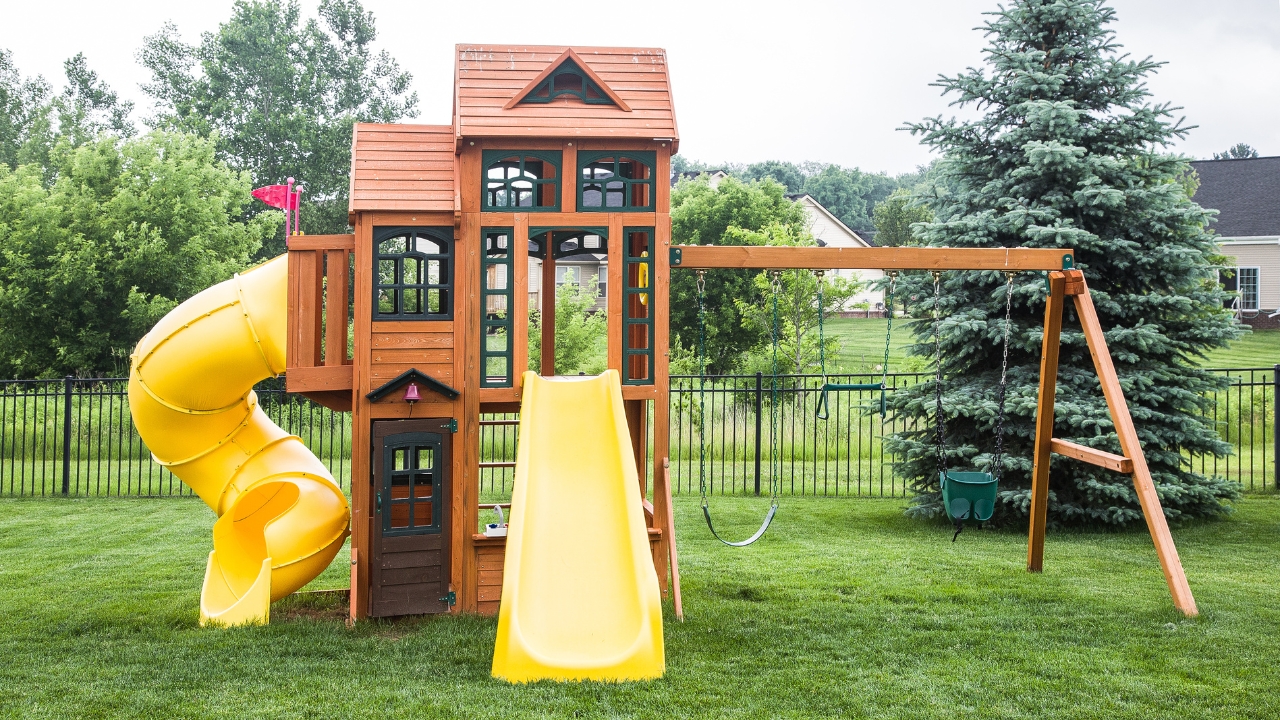
Photo credit: NicoleTaklaPhotography/Shutterstock.com
A woman said the birthday gift idea started out normal enough.
Her nephew was turning five, and the family had been tossing around ideas for what to get him. He loved playing outside, so a backyard playground sounded like a solid plan. It was useful, fun, and something the whole family could pitch in on if everyone agreed.
Then the simple birthday idea turned into a full family argument over money, expectations, and one sister-in-law who seemed to think “helping” meant handing over cash without asking questions.
According to the Reddit post, the woman was in a group chat with her mother-in-law and sister-in-law discussing birthday ideas for the nephew. The mother-in-law suggested a playground, and the poster said she and her husband would be willing to contribute toward the setup or buy one piece of equipment.
That was where the misunderstanding started.
To the poster, “contribute” meant exactly that. They would help with part of the project. Maybe they would buy a slide, a swing, or put money toward the build. It was not a blank check. It was not a promise to fund an entire backyard transformation.
But her sister-in-law seemed to hear something very different.
The conversation moved to the larger family group chat, and suddenly the playground was being discussed as if everyone was expected to pay a set amount. The sister-in-law wanted a large, expensive playground, not a small backyard gift. She seemed to have a full vision in her head, and the family was apparently supposed to finance it.
The poster started asking normal questions. What was the budget? Which playground were they looking at? How much was everyone expected to contribute? Was installation included? Who was handling the setup? Would the final choice be something everyone agreed on before money changed hands?
Those questions did not go over well.
Her sister-in-law took offense and acted like the poster was being difficult. Instead of treating the questions as basic planning, she seemed to treat them as an attack. The poster felt like her offer to help was being twisted into an obligation, and any attempt to define the obligation made her the bad guy.
That is when the tone shifted.
The sister-in-law started leaning into guilt. The playground was for her son. He deserved something special. The family should want to help. The poster’s questions made it sound like she did not care. What had started as a birthday gift discussion turned into one of those family money fights where asking for details suddenly gets treated like a moral failure.
The poster pushed back.
She reminded them that she had only offered to contribute. She had not agreed to pay a large amount. She had not agreed to whatever playground her sister-in-law wanted. She and her husband had their own budget and needed to know what they were actually being asked to do before committing.
That should have been reasonable. Most people do not hand over money for a group purchase without knowing the price. But her sister-in-law seemed to feel that because the gift was for a child, nobody should be questioning anything.
The mother-in-law was stuck in the middle, which made everything messier. She had floated the idea in the first place, but it did not sound like she had expected the conversation to turn into a pressure campaign. Once the sister-in-law started pushing for bigger contributions, the family had to decide whether this was really a group gift or just a way to make everyone else pay for something the parents wanted.
The poster’s frustration grew because the playground no longer felt like a birthday present. It felt like a home improvement project being disguised as one.
That distinction mattered. A birthday gift is usually something the child can enjoy. A full backyard playground is also an upgrade to the parents’ property. It adds convenience, value, and daily use for the household. There is nothing wrong with relatives helping, but there is something off about demanding large contributions while acting like anyone who hesitates is letting down a five-year-old.
When the poster did not fall in line, the sister-in-law accused her of being rude. The poster wondered if maybe she had been too blunt, but the more she explained, the more it sounded like she had simply refused to be pressured into an open-ended payment.
The real issue was not the playground. It was the entitlement around it.
The sister-in-law wanted the family to treat her plan like a shared obligation, but she did not want to give them shared decision-making. She wanted money, not input. She wanted support, not questions. And when the poster asked basic things any adult would ask before spending money, she turned it into a personal insult.
By the end, the poster was not against buying something for the nephew. She was not trying to ruin the birthday. She was willing to help within reason. What she was not willing to do was let her sister-in-law turn a family gift chat into a financial trap where everyone else had to pay first and ask questions never.
For a five-year-old, the playground probably would have been great.
For the adults, it exposed exactly how fast a “nice idea” can become a family fight when one person starts treating generosity like a bill.
Commenters mostly sided with the poster. Many said offering to contribute toward a gift does not mean agreeing to fund whatever expensive version someone else chooses later.
A lot of people focused on the difference between a birthday gift and a backyard upgrade. Commenters said if the parents wanted a large playground for their own yard, they should be prepared to pay for most of it themselves instead of pushing relatives to cover it under the birthday-gift label.
Several people said the poster’s questions were completely normal. Asking about price, setup, budget, and who is paying what is basic adult planning, not rudeness. If the sister-in-law could not answer those questions calmly, commenters felt that was a sign the request was not as reasonable as she wanted it to sound.
Others suggested a cleaner approach: buy the nephew a separate gift within budget and step away from the playground group project entirely. That way the child still gets something for his birthday, and the adults do not get dragged into a money fight over equipment they did not choose.