You Should Never Store These 12 Things in Your Garage
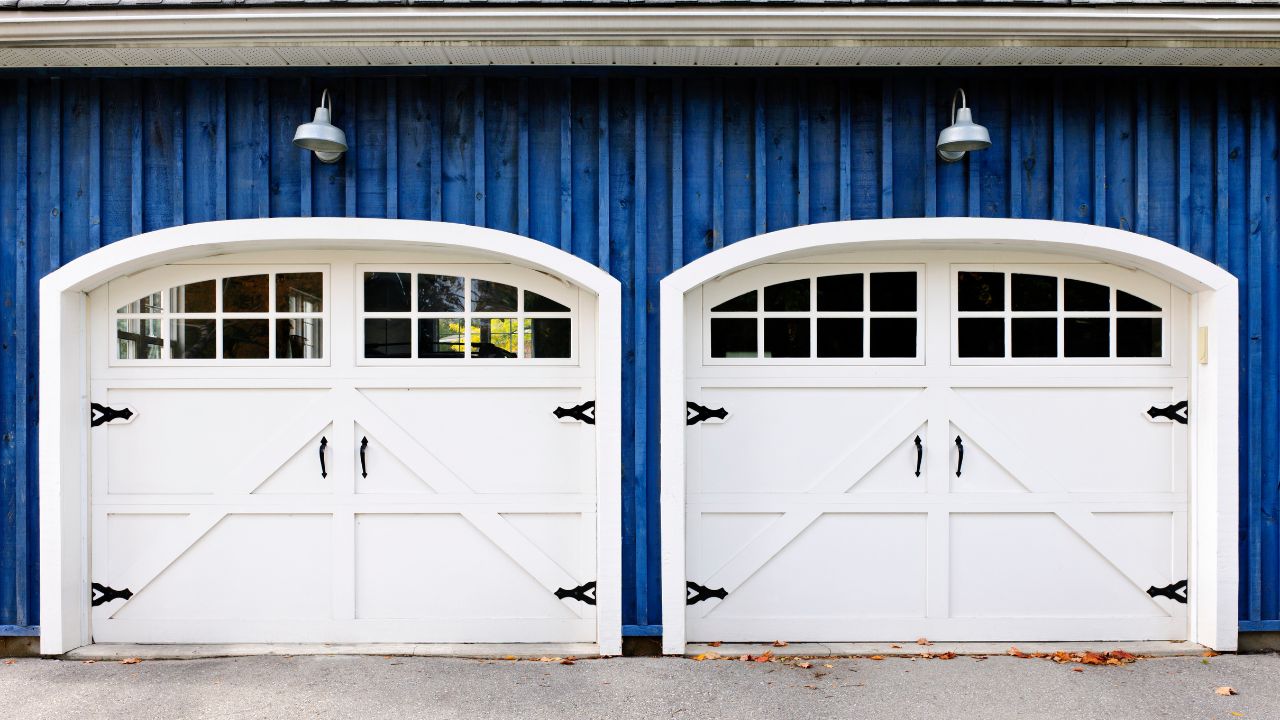
When I take a look around my garage, I often find it cluttered with a mishmash of items. It might seem like an easy solution to stash everything there, but it’s not always the best idea. Some things are better stored elsewhere to avoid damage or safety hazards.
By making thoughtful choices about what to keep in my garage, I can maximize space and minimize potential risks. Understanding which items should stay out of the garage can help me create a safer and more organized environment at home.
Pet Food
I learned quickly that pet food is not a great idea to keep in the garage. Even if it’s sealed, the scent can still attract unwanted guests like rodents and pests. It’s amazing how persistent they can be.
When I had pet food in the garage, I tried using tightly sealed containers. Metal or sturdy plastic ones seemed to do a better job of keeping the critters out. But still, nothing beats living pest-free by simply moving the food indoors.
It’s not just the pests. Temperature variations in the garage could compromise the quality of the pet food. That’s why I decided to find a space inside my house for it.
Oily rags
I never store oily rags in my garage. These rags might seem harmless, but they can be risky. If oil-soaked rags are just left sitting around, they can actually cause spontaneous combustion. Yup, they can catch fire when I least expect it.
I learned it’s better to keep them in a spot that’s safe. Some folks opt for a metal container with a tight lid. But even then, I make sure to dispose of them properly. Occasionally, I take them outside to dry completely, which minimizes the risk. You can read more about this issue when oily rags are stored in garages.
Books
I always thought my garage was the perfect spot for storing just about anything. That was until I learned about the issues with keeping books there.
Storing books in the garage might lead to some unintended consequences. The temperature fluctuations and humidity can cause pages to warp or yellow. Plus, cardboard boxes might not protect against pests looking for a new home.
Even if I’m careful and stack them flat, it doesn’t solve all the problems. If you’re like me and want to keep books in great shape, finding a more stable environment is best, like indoors on a cool, dry shelf.
Firewood
I learned the hard way that storing firewood in the garage isn’t a great idea. It seemed convenient, but it turns out that firewood attracts insects and mold. Keeping it outside is a better option unless it’s been properly kiln-dried.
When I left my firewood in the garage on a chilly winter, I noticed some pieces started to freeze. This made them harder to burn efficiently. Since then, I’ve kept it stacked outdoors with a cover.
There’s also a risk of infestations if I bring firewood indoors without proper treatment. Storing it against a house or in the garage could lead to unwanted critters sneaking into my home. If I need to keep firewood nearby, I always check it carefully and store it safely.
Sleeping Bags
I never keep my sleeping bags in the garage. The garage is a magnet for pests like rats and mice. These little critters can easily turn a cozy sleeping bag into their new home.
Moisture is another big deal. Garages can get damp and that dampness can ruin a good sleeping bag. Mold and mildew thrive in these conditions, and nobody wants to snuggle up in that mess.
Instead, I find a spot indoors where it’s dry and clean. This way, my sleeping bags stay in great shape for my next adventure. If you want more detailed information, you can check out this useful piece on why not to store sleeping bags in garages here.
Paint cans
I’ve learned that keeping paint cans in my garage isn’t the best idea. The temperature changes can mess with the paint quality, sometimes even causing it to separate or thicken. Plus, when paint cans sit on a cement floor, they can rust through much quicker, which nobody wants.
Another thing to consider is the possible fumes. If the cans aren’t sealed properly, they can leak fumes into the garage, making it an unpleasant space. Sometimes, the labels get damaged over time, so I forget what color or type is inside. This makes it a hassle when I’m trying to find the right can for a quick touch-up.
It’s better to store them in a temperature-controlled area in the house. This way, I can keep the paint in good condition and avoid any unnecessary issues.
Propane Tanks
Keeping a propane tank in the garage just isn’t a good idea. These tanks should always be stored outside, away from the house. Direct sunlight can make things worse by heating them up.
Extreme temperatures, like those often found in garages, create a hazardous environment for propane tanks. It’s also important to keep them away from other flammable or combustible materials due to safety concerns. For more safety tips, you might find this advice on safe storage helpful.
Electronics
I learned the hard way that storing electronics in the garage isn’t the best idea. Moisture and temperature fluctuations can wreak havoc on gadgets. There’s always the risk of rust or circuit damage.
Even when they’re in boxes, electronics are still vulnerable. Extreme temperatures can degrade batteries and other components. It’s smarter to find a safer spot indoors.
Instead, I prefer keeping my devices in a climate-controlled area of the house. It ensures they remain in top condition, and I avoid costly repairs or replacements.
Photos
I never store my photos in the garage. It might seem like a convenient place, but garages can get pretty damp. Humidity is a big enemy of photos, causing them to stick together or even fade. Instead, I keep them in a dry spot inside my house.
Plus, the temperature in the garage can fluctuate wildly with the seasons. These changes aren’t great for preserving memories. I use a sealed box and toss in some silica packets to keep them just right.
Another concern is dust and potential spills. In a garage, they can easily get dirty or damaged from chemicals or oil. So, I prefer to store my cherished memories somewhere safe and clean.
Wine
Storing wine in the garage isn’t a great idea. I’ve learned that fluctuating temperatures can really mess with the flavor, making it taste different from how it’s supposed to.
There’s also the issue of humidity. If it gets too damp, corks can get damaged, potentially leading to oxidation. It’s why those precious bottles should ideally be kept in a more stable environment.
A cool, consistent spot like a wine rack inside the house is best. A space that ensures both temperature and humidity stay in check is essential for keeping wine in good condition. For more detailed insights, check out Family Handyman’s tips.
Art Pieces
I learned the hard way that keeping art pieces in the garage isn’t the best idea. The temperature fluctuations make it a risky place for any artwork. Heat and cold can cause damage to paintings or sculptures, leading to potential warping or fading.
Moisture is another concern. Garages often have varying humidity levels, which can be detrimental to art. Excessive moisture might lead to mold or mildew, affecting the integrity of the art.
When I think about preserving art pieces, choosing a location with a stable environment inside the house seems wiser. It’s all about ensuring the pieces I love remain in pristine condition. Hanging them indoors is definitely a safer bet than the garage.
Important papers
I’ve learned the hard way that storing important papers in the garage is a bad idea. The garage can be susceptible to moisture, which might cause documents to get damp and moldy. Plus, garages can experience temperature fluctuations that aren’t great for preserving papers.
Keeping papers in the garage can also lead to pest problems. Rodents and insects might find their way in and damage documents. I prefer to store my important papers inside the house where conditions are more stable, keeping them safe from potential harm.
If space is an issue, I recommend finding a small, dedicated space in a closet or using a filing cabinet. A more secure environment helps ensure that documents remain intact and legible when I need them. Remember, peace of mind is worth the effort of safeguarding these items properly.