8 things most people do not realize about the world of the Bible

Photo credit: Doidam 10/Shutterstock.com
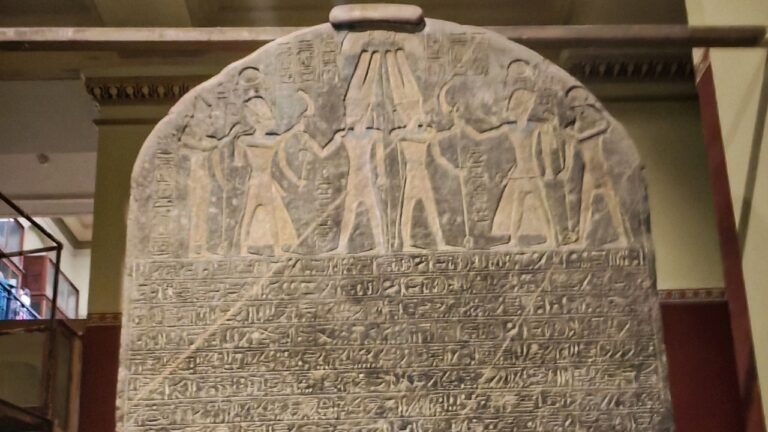
A lot of confusion people feel when reading the Bible has less to do with the Bible being impossible to understand and more to do with the fact that it came out of a world very different from ours. The Bible was not written in modern America, under modern assumptions, with modern categories in mind. It came from the ancient Near East and the Roman world, where family structure, honor, land, kingship, empire, purity, and daily survival shaped the way people thought. Once you start seeing that, a lot of passages stop feeling random and start feeling a lot more readable.
That is why context matters so much for believers. It does not make the Bible less spiritual. It helps you read it more honestly. These are eight things a lot of people do not realize about the world of the Bible, and every one of them can make Scripture easier to understand.
1. Most people in the Bible lived much closer to survival than comfort
It is easy to read the Bible like the average person in it lived something like modern middle-class life. They did not. In the Roman world especially, most people were poor or just scraping by, and daily life was shaped by labor, food supply, taxes, debt, disease, and the constant fragility of ordinary survival. BibleProject notes that most people in the Roman world were simply trying to survive, which helps explain why daily bread, debt, hunger, and hospitality show up so often in the New Testament.
That changes how you read a lot of passages. “Give us this day our daily bread” hits differently when you remember bread was not just symbolic language for vague needs. It was basic survival. Stories about widows, day laborers, beggars, and people leaving nets or tax booths behind also start feeling more weighty. The Bible’s world was full of ordinary people whose lives were more financially and physically vulnerable than many modern readers realize.
2. Honor and shame shaped how people thought
Modern readers often think in terms of personal preference, private authenticity, and individual fulfillment. The biblical world, especially around the New Testament, was far more shaped by honor and shame. BibleProject’s discussion of the Roman world explains that honor was a major social currency, and shame was not just an inner feeling but a public social reality tied to family, reputation, and status.
That helps explain so much in the Gospels and letters. Public humiliation mattered. Family reputation mattered. Seating at banquets mattered. Crucifixion was not only painful; it was deeply shameful. Jesus washing feet, eating with sinners, being mocked publicly, and calling people to humble themselves all land harder when you understand the social world He was speaking into. Paul’s repeated emphasis on glory, boasting, weakness, and not being ashamed of the gospel also makes more sense in an honor-shame culture.
3. Family was bigger and more central than most modern readers assume
The world of the Bible was not built around the modern idea of a small, highly private nuclear family. Households often included extended family, dependents, servants, and a wider kinship network. Social identity was deeply tied to family, ancestry, tribe, and household. The BibleProject cultural overview emphasizes that the Bible came from cultures with assumptions very different from modern individualism, and family identity is one of the biggest ones.
That helps explain why genealogies matter, why family loyalty is such a huge theme, why inheritance and firstborn language carry so much weight, and why Jesus’ calls to discipleship could feel so radical. When Jesus says people must love Him above father and mother, He is not casually asking for a slight shift in priorities. He is making a claim that cuts across one of the strongest identity structures in that world.
4. The Temple was much bigger than “their version of church”
A lot of Christians picture the Temple like a larger, older version of a church building. That is far too small. In the Second Temple period, the Temple stood at the center of sacrifice, priesthood, holiness, national identity, and the shared worship life of Israel. Britannica’s overview of Roman-period Judaism reflects how central Temple concerns remained before its destruction in AD 70.
That makes a huge difference in the Gospels. Jesus cleansing the Temple was not a minor dispute about reverence in a worship space. It was a loaded prophetic act aimed at the very center of Israel’s religious life. Debates about purity, sacrifice, priesthood, and access to sacred space were not side issues. They sat near the heart of Jewish life. When you understand that, a lot of Gospel tension starts making more sense.
5. Rome was not just in the background. It was everywhere
Sometimes people read the New Testament and imagine Roman rule as a light political backdrop. It was much more than that. Britannica’s material on Roman-period Judaism shows how deeply Jewish life was shaped by Roman power, and BibleProject notes that the early church lived in the shadow of empire, where taxes, military force, patronage, status, and imperial claims were woven into everyday life.
That helps explain why tax collectors were hated, why “kingdom” language carried political bite, why crucifixion mattered so much, and why the claim that “Jesus is Lord” had edge to it in a Roman world where Caesar also claimed loyalty. The New Testament is not unfolding in a neutral setting. It is unfolding under empire, and that pressure sits behind far more passages than many readers realize.
6. The Pharisees were not just flat villains
A lot of people grow up reading the Gospels as though the Pharisees were basically one-note bad guys. That is too simple. Britannica notes that the Pharisees had support among ordinary people and were deeply concerned with interpreting and applying Torah in daily life. They were a serious Jewish movement, not just a stock group of hypocrites invented to give Jesus someone to argue with.
That does not mean Jesus’ rebukes were not real. They were. But understanding the Pharisees better helps the Gospels feel less cartoonish and more historically grounded. Jesus was often disputing with people who cared deeply about holiness, law, and faithfulness but could still go badly wrong in how they handled those concerns. That makes the conflict sharper and more relevant, not softer.
7. Ancient writing styles do not always work like modern writing styles
Modern readers often expect every biblical writer to sound like a modern historian, essayist, or journalist. That expectation causes confusion fast. The Bible contains narrative, poetry, law, prophecy, wisdom, Gospel, letter, and apocalypse, and each genre communicates differently. BibleProject’s teaching notes stress that understanding what kind of text you are reading is one of the first keys to understanding what the author is doing.
This means Psalms use poetic imagery, Proverbs offer wisdom sayings rather than ironclad promises for every situation, and Revelation uses symbolic apocalyptic language instead of reading like a plain newspaper account of the future. A lot of apparent confusion clears up when readers stop asking every part of the Bible to behave like the same kind of writing.
8. Jesus and the apostles were speaking from inside Israel’s story, not outside it
This is one of the biggest things modern readers miss. Jesus did not show up in a blank religious setting. He lived, taught, and acted inside the story world of Israel’s Scriptures. BibleProject’s guides repeatedly frame Jesus and the apostles as speaking from within the Torah, the Prophets, and the hopes of Israel rather than inventing a brand-new religious system from scratch.
That means words like Messiah, kingdom, covenant, Passover, Son of Man, temple, and resurrection come loaded with Old Testament meaning. A lot of New Testament confusion happens because people read Jesus and Paul with almost no sense of the scriptural world behind their language. Once you see that they are standing inside Israel’s long story and claiming it reaches fulfillment in Christ, the New Testament starts fitting together much more naturally.