8 ancient discoveries that help confirm biblical history
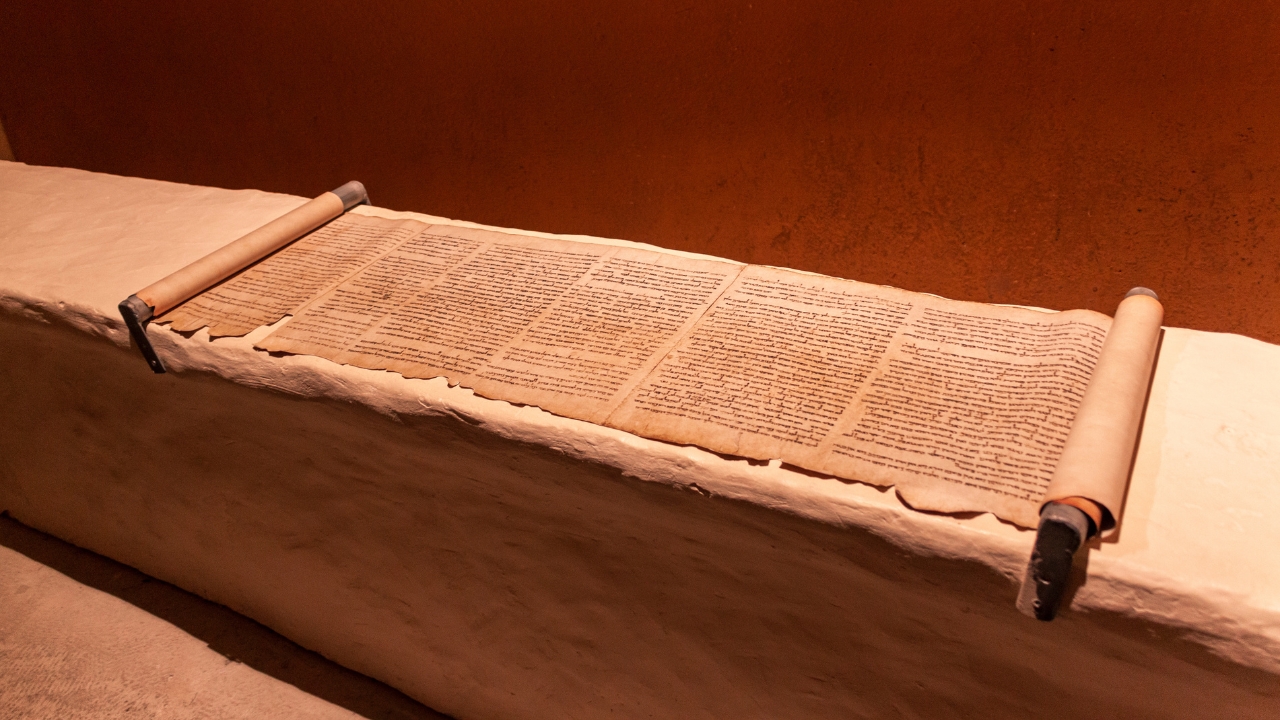
Photo credit: Rebeca Ker Hoshen/Shutterstock.com
The Bible was not written in some foggy, made-up world with no connection to real history. It names kings, cities, dynasties, governors, building projects, and people groups because it is rooted in the real ancient world. That does not mean archaeology can prove every miracle or answer every theological question. It cannot. But it can do something very useful. It can show that the Bible keeps lining up with the world history uncovers instead of falling apart under it.
That matters for Christians because confidence grows when faith is grounded in truth instead of hype. We do not need to overstate the case. We can just be honest: again and again, ancient discoveries have confirmed people, places, and historical settings the Bible describes. These eight examples are some of the strongest and most helpful.
1. The Tel Dan inscription confirms the “House of David”
This is one of the biggest discoveries in biblical archaeology. The Tel Dan inscription is a ninth-century BC basalt fragment with an Aramaic inscription that refers to the “House of David.” The Museum of the Bible describes it as the earliest-known extrabiblical reference to the House of David, which is why it caused so much attention when it was found. That matters because for years some scholars questioned whether David had been a real king or whether he had become more of a national symbol in later tradition. This inscription pushes back hard against that idea.
The important thing here is not to say more than the stone actually says. It does not retell David’s life or prove every detail of Samuel and Kings. But it does show that David’s dynasty was known outside the Bible in the ancient world. Scripture presents David as a real king whose line mattered, and this inscription fits that picture. For believers, that makes the biblical story of David feel a lot more grounded in real history.
2. The Pilate stone confirms Pontius Pilate by name and office
The Gospels place Jesus’ trial and crucifixion under Pontius Pilate. That detail matters because it roots the story of Jesus in the public Roman world, not in religious legend. At Caesarea Maritima, archaeologists found a Latin inscription mentioning Pontius Pilate and identifying him as the Roman governor of Judea. The Israel Museum describes it as a Latin dedicatory inscription mentioning Pontius Pilate, the procurator of Judea.
This is a good example of how archaeology confirms the Bible’s setting. Pilate is not just a character Christians talk about in church. He shows up in a first-century inscription from the very world the Gospels describe. The stone does not prove the resurrection or settle every question about the trial of Jesus. But it does confirm that the Gospel writers placed Jesus’ death under a real Roman official who is known from the material record. That kind of historical grounding matters.
3. The Siloam inscription confirms a major Jerusalem water project
Second Kings 20:20 says Hezekiah made the pool and conduit and brought water into the city. One of the most vivid discoveries tied to that world is the Siloam inscription, which was carved into the tunnel wall and commemorates the moment two excavation teams met in the middle. The Israel Museum says the inscription reflects the workers’ personal commemoration of the exciting moment when the two opposing excavation teams met.
That makes the biblical account feel much more concrete. This was not a symbolic project. It was real engineering in a real city under real pressure. Jerusalem needed a secure water supply, and the tunnel project connected directly to that need. The inscription helps modern readers picture the kind of labor, planning, and urgency behind the biblical references to Hezekiah’s preparations. When you read those passages, you are reading about an actual city with actual stonework still tied to its story.
4. The Dead Sea Scrolls confirmed the Old Testament text was preserved with great care
The Dead Sea Scrolls are one of the most important discoveries ever made for biblical studies. Found near Qumran, they include the oldest known biblical manuscripts in existence. The Israel Museum says these scrolls include the oldest extant biblical manuscripts, and its digital archive says they are the oldest known biblical manuscripts in existence.
This matters because one of the biggest questions people ask is whether the Bible changed beyond recognition over time. The scrolls gave scholars manuscripts far older than the medieval copies that had been widely used before. What they found was not a completely different Old Testament. They found strong continuity, even while also seeing normal textual variation that scholars can study carefully. A great example is the Great Isaiah Scroll, which the Israel Museum dates to around 125 BCE and notes is about one thousand years older than the oldest later Hebrew Bible manuscripts once commonly used for comparison. That is huge for confidence in the transmission of Scripture.
5. The Merneptah Stele mentions Israel as a real people
The Merneptah Stele is an Egyptian inscription from the late thirteenth century BC, and it is especially famous because it includes what is widely recognized as the earliest extrabiblical reference to Israel. That matters because it shows Israel was known in the ancient Near Eastern world outside the Bible.
This discovery is important because it places Israel in the public memory of Egypt at an early date. It does not prove every detail of the Exodus or conquest narratives by itself, and Christians should not claim that it does. But it does confirm that Israel was known as a people in the ancient world, which fits the broad biblical picture. The Bible presents Israel as a real people group moving through real history, and this stele supports that basic historical frame.
6. The Mesha Stele confirms the world of Israel, Moab, and the house of Omri
The Mesha Stele, also called the Moabite Stone, comes from King Mesha of Moab and records his revolt against Israel. That matters because Mesha appears in 2 Kings 3, and the stele also refers to the house of Omri, linking it to the northern kingdom of Israel described in Kings. It is one of the clearest examples of a neighboring kingdom leaving its own record about the same political world Scripture describes.
What makes this discovery especially valuable is that it is not just name-dropping. It shows the broader regional landscape in which Israel actually existed. Kings, rebellions, tribute, dynasties, and military pressure were all part of that world. The Bible is not inventing a stage set here. It is speaking about the same kind of political realities other ancient inscriptions remember too. That is exactly what you would expect if biblical history is rooted in the real ancient Near East.
7. The Caiaphas ossuary connects to the priestly world of Jesus’ trial
The Gospels name Caiaphas as the high priest involved in the events surrounding Jesus’ trial. The Israel Museum points to the ossuary of Caiaphas the priest as one of the exhibits that brings to life the time of Jesus and early Christianity. That matters because it ties one of the New Testament’s key priestly figures to the burial customs and priestly families of first-century Judea.
This is the kind of discovery that helps the New Testament feel inhabited. The trial scenes are not happening in thin air. They unfold in a real Jerusalem filled with priestly families, burial caves, political pressure, and temple authority. The ossuary does not prove everything about the Gospel narratives, but it helps place Caiaphas in the actual world the New Testament describes. That kind of physical connection can make the Gospels feel much less distant.
8. The Pool of Siloam fits the setting of John 9
John 9 tells the story of Jesus sending a blind man to wash in the Pool of Siloam. The Siloam area is already tied to Jerusalem’s water system in the Old Testament world, but it also matters in the New Testament because it gives a real setting for one of Jesus’ healings. The broader Siloam discoveries help place that story inside a real Jerusalem with waterworks, ritual movement, and public spaces that people knew.
This kind of example matters because the Gospels often mention places in passing, as if the writers expect the setting to be familiar and real. That is not how invented legends usually work. Real settings tend to come with ordinary place names, local references, and grounded geography. The world of John 9 fits that pattern. The more you see that, the more the Bible starts feeling like what it claims to be: a story unfolding in real places among real people.
These discoveries do not replace faith, but they do strengthen confidence
Archaeology is not the gospel, and Christians should not treat it like it is. No artifact can do the work of the Holy Spirit, and no inscription can replace the message of Christ crucified and risen. But discoveries like these still matter because they help believers see that the Bible is not disconnected from the real world. Again and again, its people, places, and historical settings keep showing up where history says they should.
That is why this kind of article can be so helpful for other Christians. It does not ask them to choose between faith and careful thinking. It shows that the Bible can stand in real history without falling apart. And honestly, that should make us want to study Scripture more carefully, not less.