
10 Space Heater Tips You’ll Regret Ignoring This Winter

Image Credit: Serenity Images23/ Shutterstock.
Winter’s here, and if you’re like me, staying warm becomes priority number one—especially if you’re relying on space heaters to keep things cozy. They’re lifesavers in drafty homes, chilly campers, or rooms your central heating just can’t reach. But let’s be real: they can be a little risky if you’re not careful.
Whether you’re warming up your living room or fighting the cold in a small space, following a few simple safety rules can make all the difference. Space heaters are powerful tools, but they need respect—because the last thing you want this season is a fire hazard ruining your cozy vibes.
Look for Safety Certification
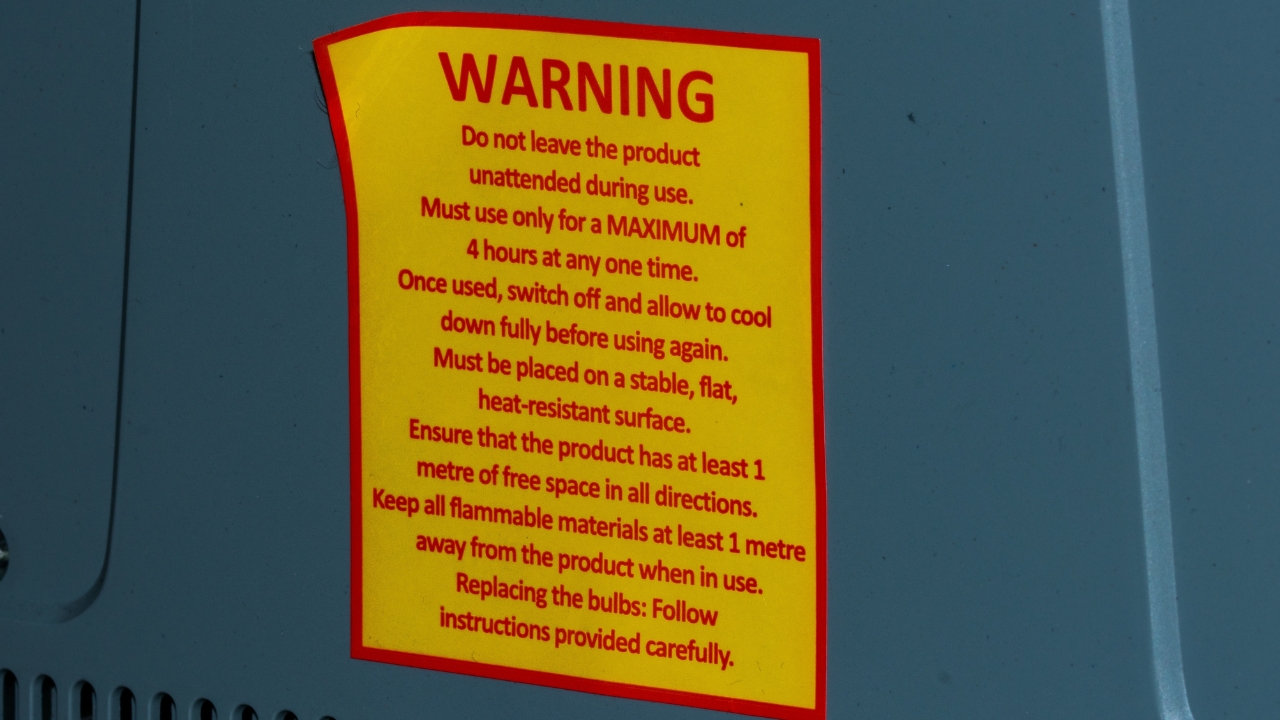
Before you even think about plugging in your heater, check for a safety label from a recognized testing lab like UL or ETL. These certifications mean the device has been tested for safe operation and won’t go rogue on you. Without that label, you’re gambling with your safety—and that’s just not worth it.
Take a moment to inspect the heater itself. Look for cracks, frayed cords, or anything that screams “fire hazard.” If something’s damaged, skip it entirely.
Check for Damage Every Time
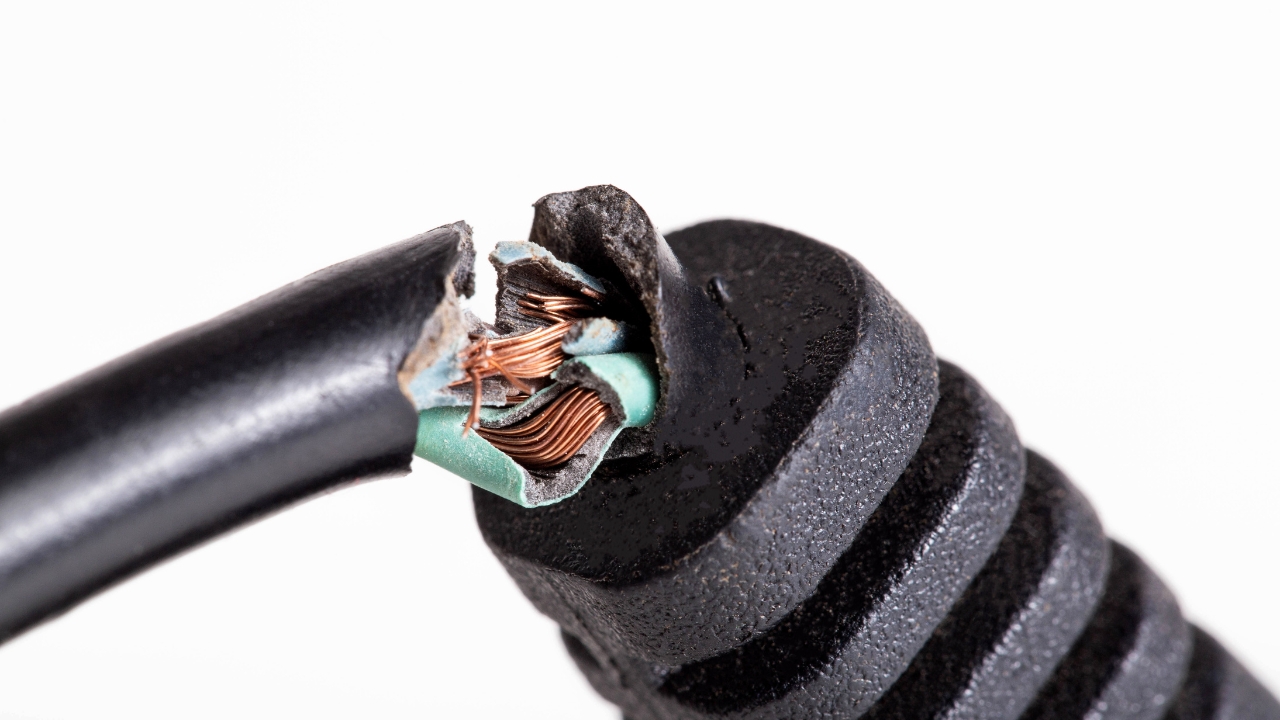
Before each use, give your heater a quick once-over. Are the cords intact? Are the connections secure? If you spot wear and tear—like frayed wires or cracked plugs—it’s time to retire that unit. Using damaged heaters can lead to overheating or worse, a fire.
Don’t Overload Your Outlet
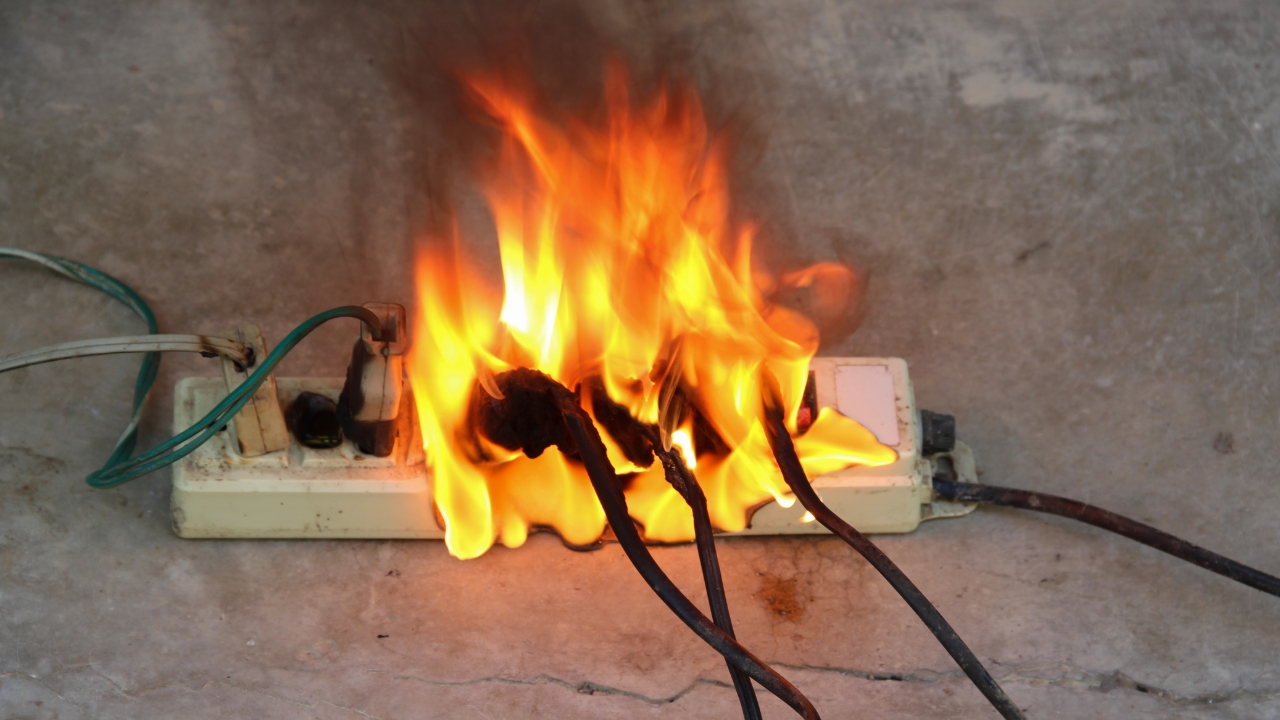
Space heaters are power-hungry, so they need their own outlet. Never plug other devices into the same socket, even if it seems harmless. Overloading an outlet increases the risk of overheating and electrical fires, and that’s a headache nobody needs.
If outlets are limited, resist the temptation to use a power strip or extension cord. Rearrange your setup instead—it’s inconvenient now but much safer in the long run.
Go for Smart Features
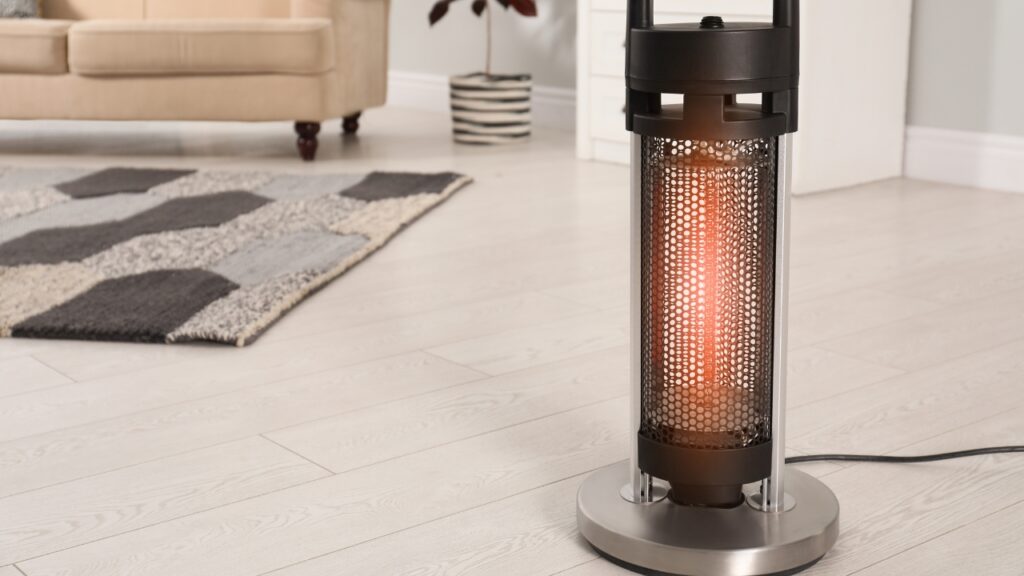
Newer heaters often come packed with safety features that make your life easier and safer. Many models have overheat shut-off mechanisms and tip-over switches, which automatically shut down the device if it gets too hot or unstable. “These features are designed to prevent fires and reduce risks,” says Gunn.
Some modern devices are even made with flameproof materials and thermal insulation. They’re built to stay cool to the touch, even after hours of use, which is great if you’ve got curious kids or pets around.
Teach Everyone the Basics
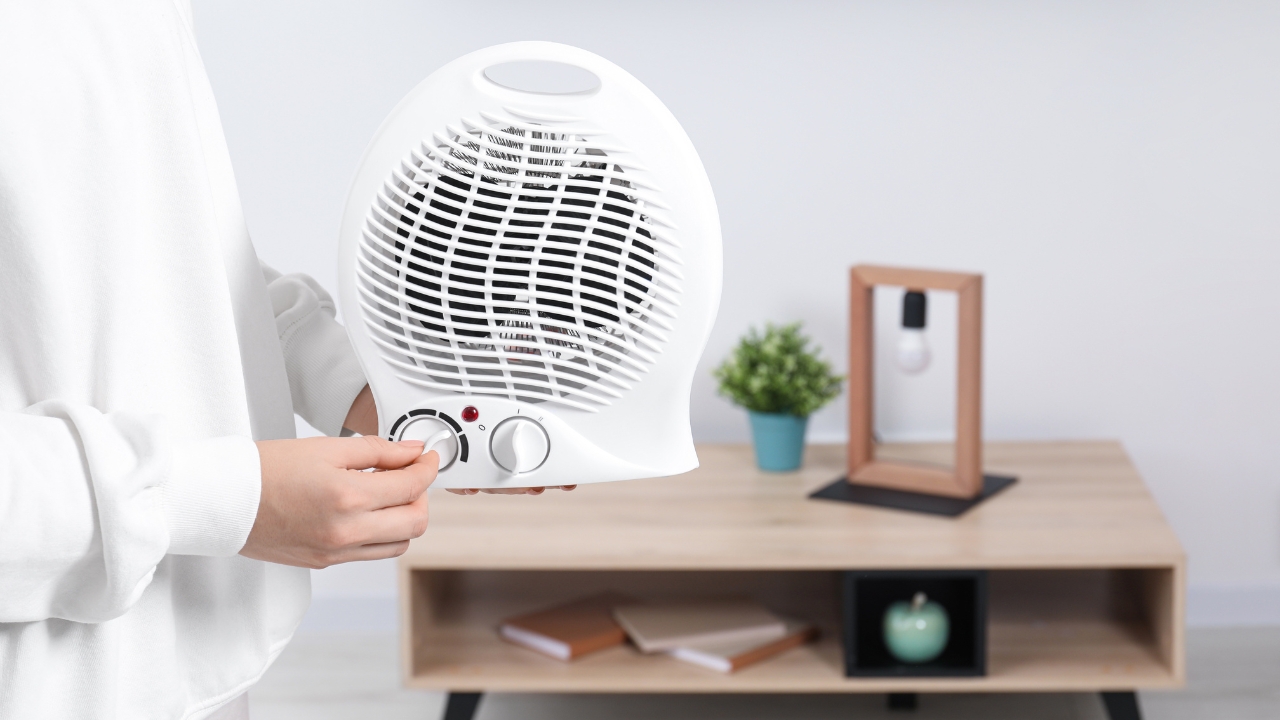
Make sure everyone in your home knows how to safely use the space heater. Show them where the buttons are, explain the safety rules, and remind them not to leave it unattended. Kids and pets are naturally curious, so keep a close eye on them while the heater’s running.
Always unplug the heater when it’s not in use. It’s such a small habit, but it’s one of the simplest ways to prevent accidents. Stick to the manufacturer’s guidelines, too—they’re there for a reason!
Place Your Space Heater Wisely
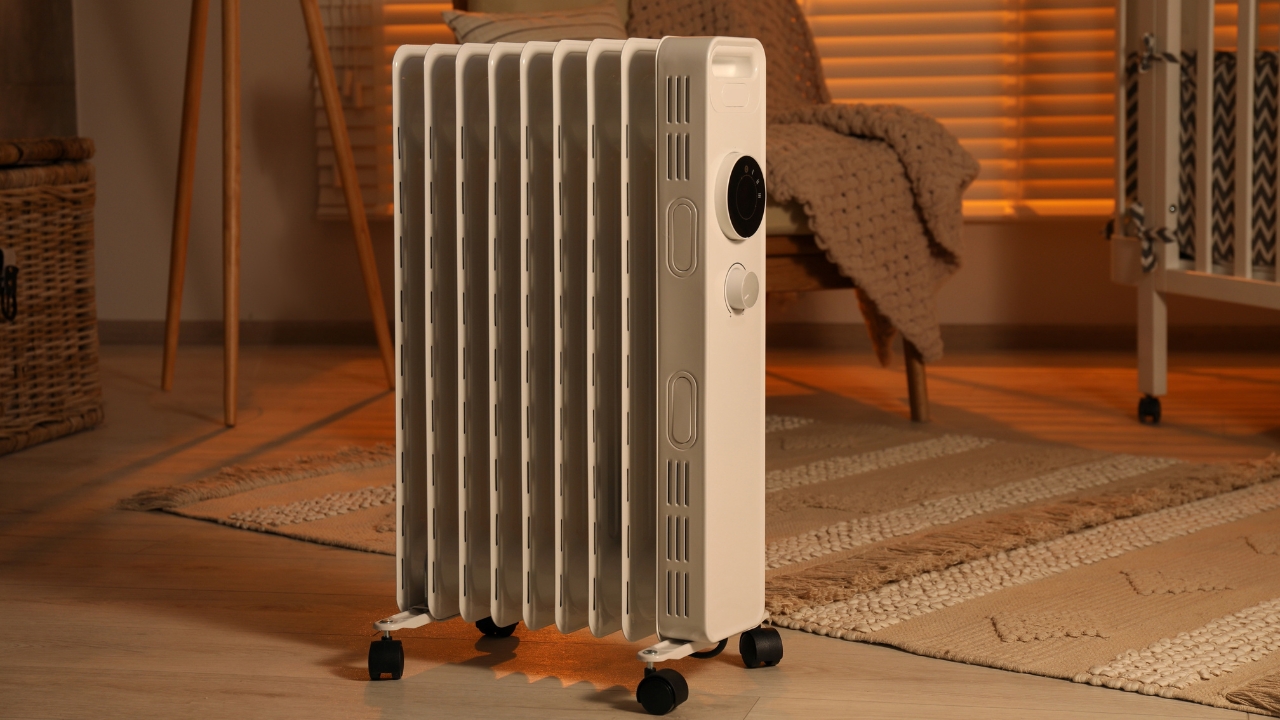
Where you put your space heater can make or break its safety. Always keep it at least three feet away from anything flammable—think curtains, blankets, or that pile of laundry you’ve been meaning to fold.
Make sure it’s on a flat, fire-resistant surface, like tile or hardwood, not a rug or carpet that might trap heat. And definitely keep it out of busy walkways where someone could trip over it.
If you’re using it in places like the bathroom or kitchen, double-check that it’s far from water sources like sinks and showers. Water and electricity don’t mix, and a little extra effort here could save you a major headache later.
Pick the Right Size Heater
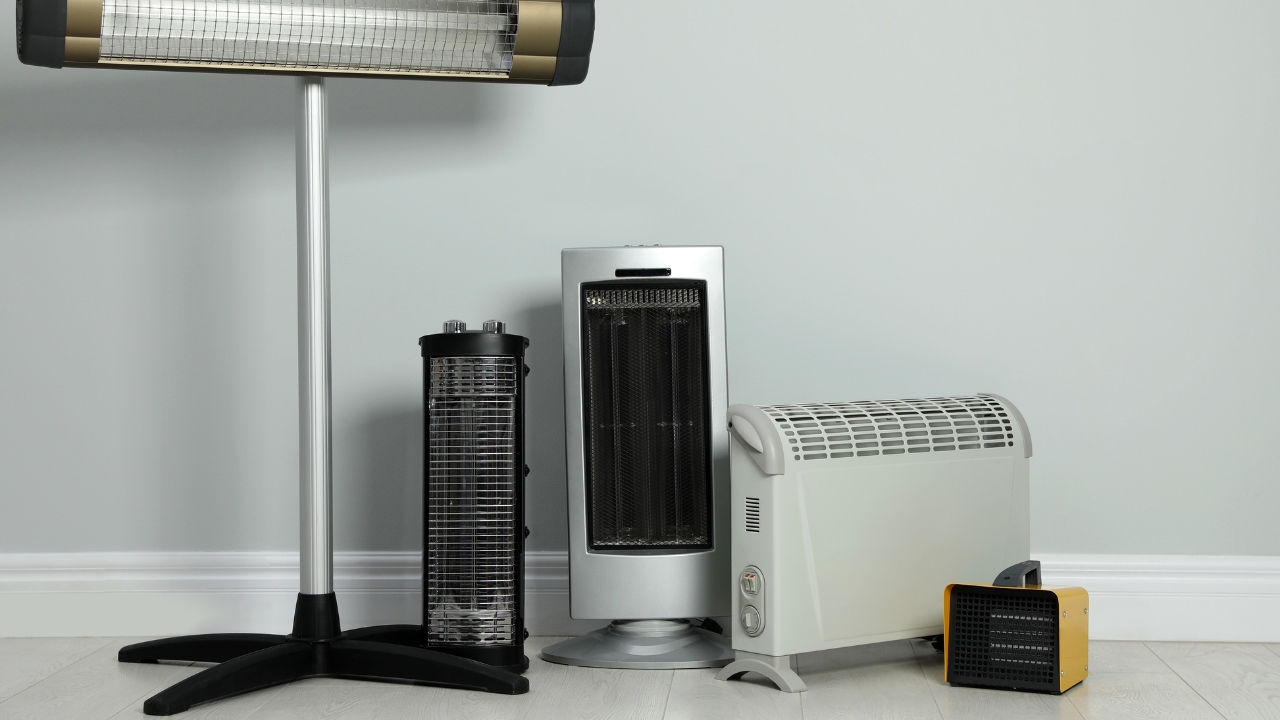
A bigger heater isn’t always better. You want a size that matches your space—too big, and you’re wasting energy; too small, and it’s like heating a freezer. A good rule of thumb is 10 watts per square foot, so for a 150-square-foot space, look for a 1,500-watt heater. Most heaters include sizing charts to make this easier.
And if you’re constantly moving your heater around, consider a smaller, portable model with solid energy efficiency. Just remember, size isn’t everything—features like airflow tech and wattage play a huge role in how well it heats.
Skip the Extension Cords
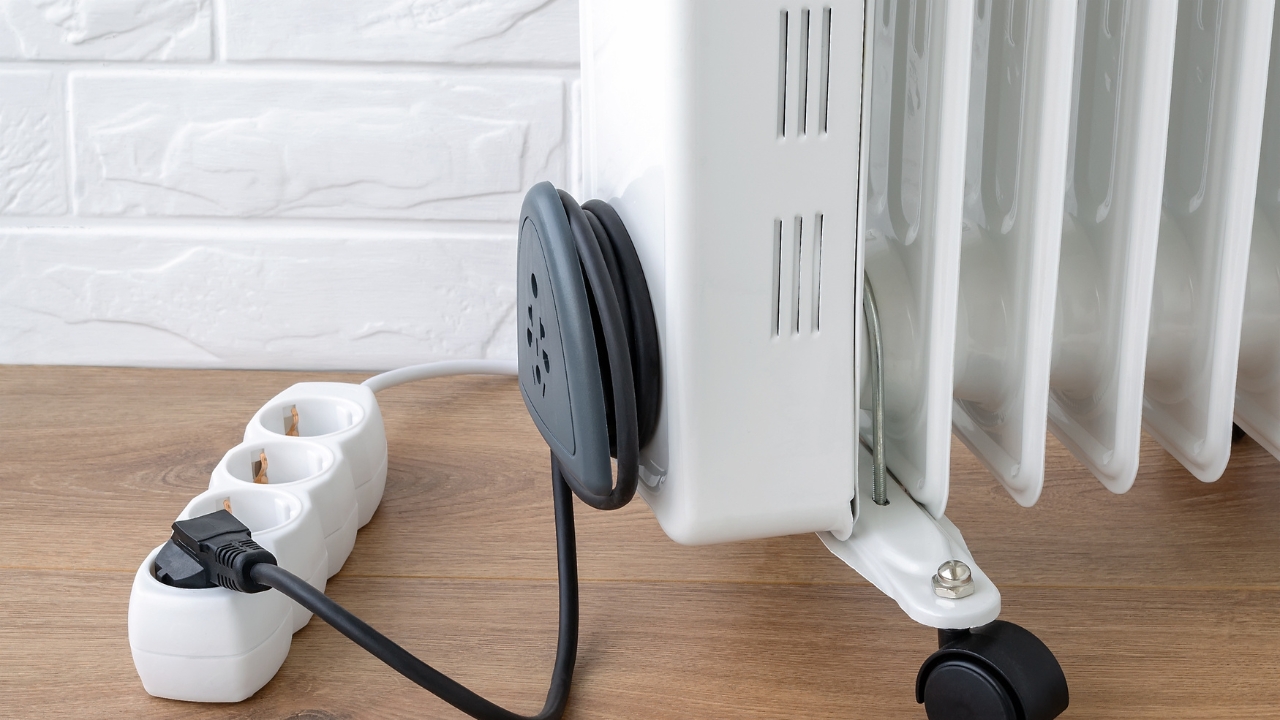
Plugging your heater into an extension cord might seem harmless, but it’s actually one of the riskiest things you can do. Extension cords aren’t built to handle the power these devices pull, and they can overheat or even spark a fire. Always plug your heater directly into a wall outlet to stay safe.
Never Leave It Running Alone
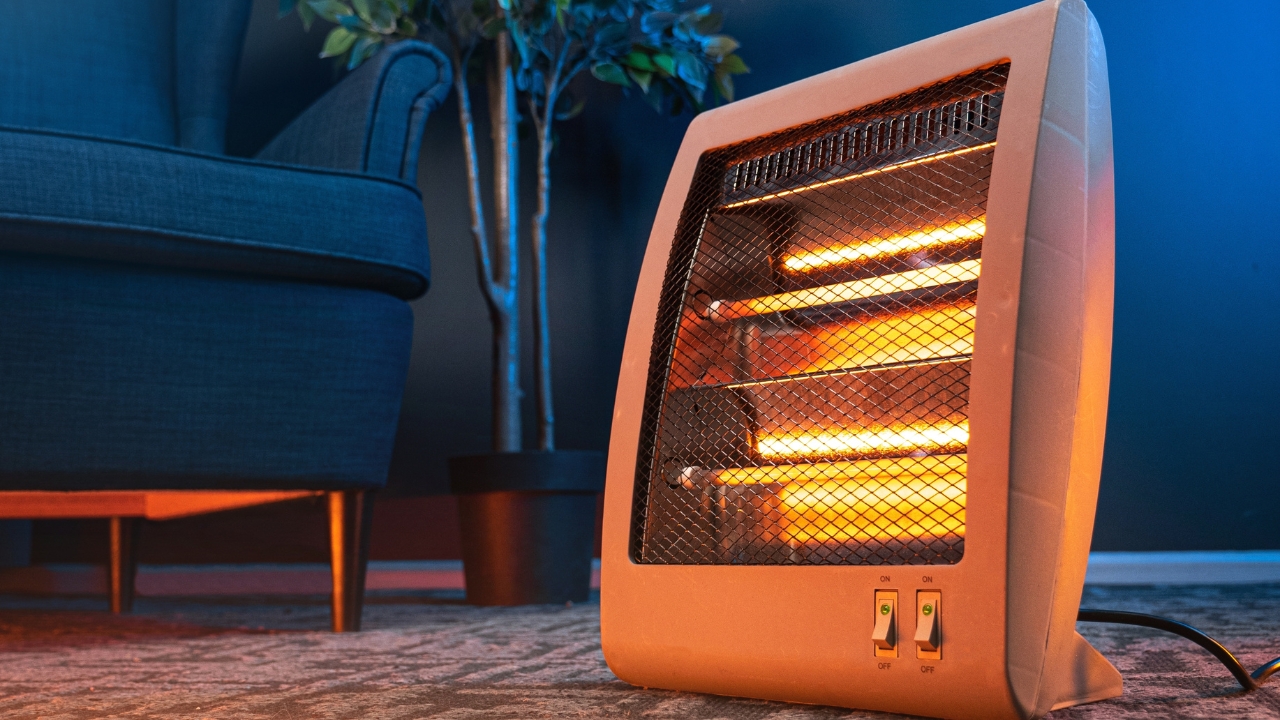
Leaving your space heater on when you’re not around is a big no-no. Fires can happen fast, and if you’re not there, you can’t act quickly. Turn it off before you leave the room or go to bed.
If you absolutely need it to run while you’re not watching, consider a model with smart controls. These let you adjust settings or shut it off remotely through an app.
Check Carbon Monoxide Detectors
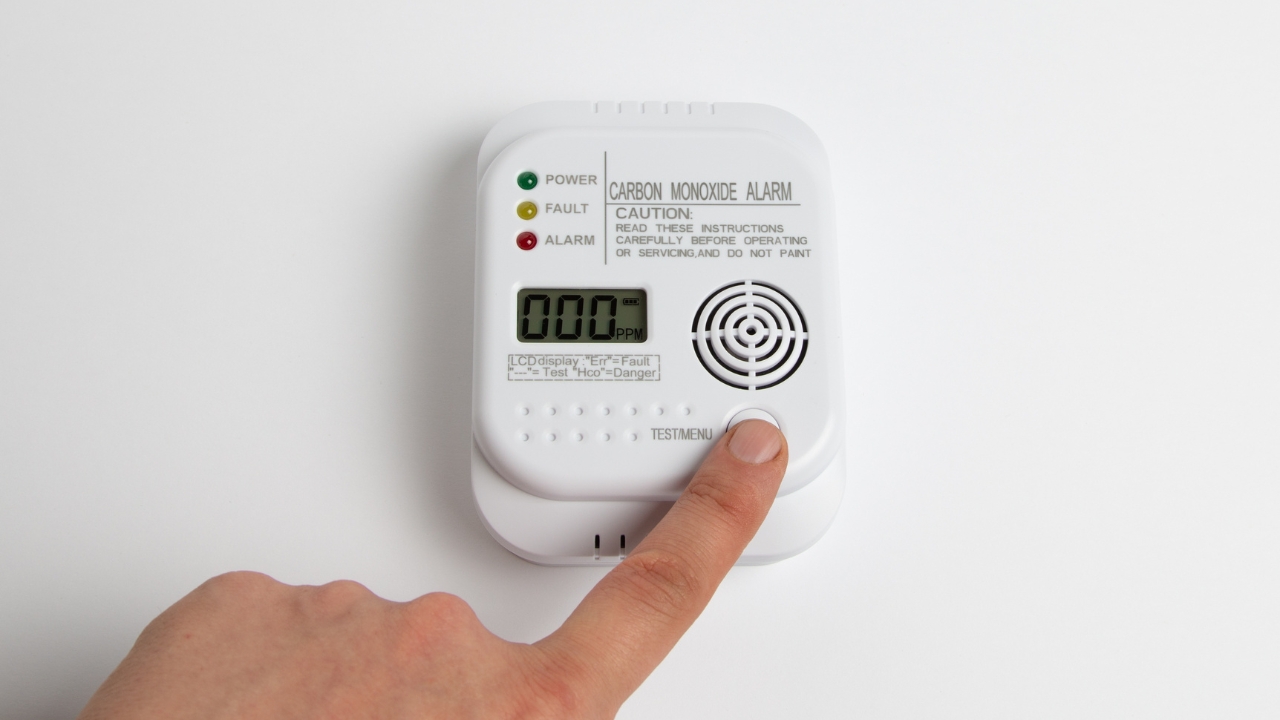
If you’re using a fuel-burning space heater, a carbon monoxide detector is non-negotiable. This invisible, odorless gas can build up fast and become deadly if you’re not alerted in time. Place the detector in the recommended spot for your space, and test it before firing up your heater.
Don’t assume your old detector is still working—batteries die, and sensors wear out. Checking it now could prevent a serious issue later.