Woman Says Her Mom’s Biological Mother Wants a Wedding Invite After Years of Family Distance
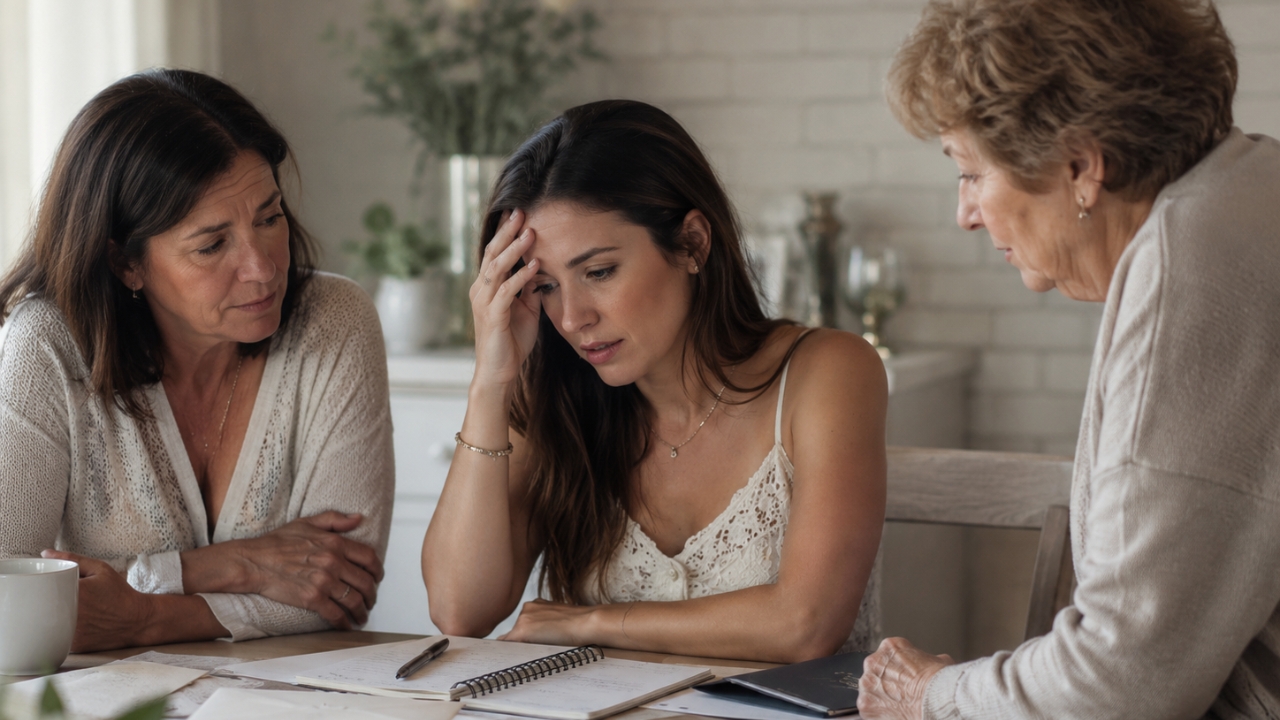
Photo credit: Thrivegirly
A bride-to-be said she is being pressured to invite her mother’s biological mother to her wedding, even though the woman has never played a meaningful role in her life and has a painful history with the family.
The woman shared the situation on Reddit, explaining that she is engaged and working through the difficult choices that come with a wedding guest list. Weddings can bring up old family wounds quickly, especially when relatives who have been distant for years suddenly expect to be included because the event is big enough to matter.
That is what happened here.
The poster said her mother’s biological mother was not someone she considered a grandmother in any real sense. She was technically related by blood, but the relationship itself was distant. The poster did not grow up with the kind of bond many people imagine when they hear the word “grandmother.” There were no deep memories, no consistent care, no regular role in her life that made the invitation feel natural.
Still, the question of whether to invite her became a family issue.
The pressure seemed to come from the idea that weddings are supposed to include family, and because this woman was biologically connected to the bride’s mother, some relatives felt she should be there. But the poster did not believe biology alone earned a seat at one of the most personal days of her life.
She brought the situation to Reddit in a post titled “AITA for not inviting my mom’s bio mom to my wedding?”: https://www.reddit.com/r/AITAH/comments/1kfvh6g/aita_for_not_inviting_my_moms_bio_mom_to_my/
The emotional conflict was not simply about one invitation. It was about whether someone who was absent, distant, or tied to painful family history should be welcomed back just because a wedding creates a public moment.
The poster seemed to understand that excluding someone can look harsh from the outside. A wedding invitation can feel symbolic. Leaving someone out may send a message, even when the bride simply wants peace. But inviting the woman could send a message too: that the history did not matter, that distance had no consequence, and that the bride’s comfort came second to family appearances.
That is the part that made the choice difficult. When families talk about “doing the right thing,” they often mean doing the thing that makes the family look whole. But looking whole and feeling safe are not the same.
The bride’s wedding was not supposed to become a stage for repairing generations of family distance. It was supposed to be a day centered on her marriage, her fiancé, and the people who had actually supported them. Inviting someone because other relatives think she should be there could turn the event into another round of emotional management.
For the bride, the word “grandmother” did not seem to match the reality. Her mother’s biological mother may have had a title, but not the relationship. That distinction matters. A title can be automatic. Trust is not. Closeness is not. A wedding invite is not owed simply because someone appears on a family tree.
The situation also likely put the bride’s mother in a hard spot. Depending on her own history with her biological mother, seeing her at the wedding could bring up complicated emotions. Maybe some relatives hoped the wedding would be a chance to smooth things over. But the bride did not want her wedding to become the place where everyone tested whether old wounds could be ignored for a day.
That is a lot to ask of a bride.
Guest lists already come with enough stress. Couples have to think about budget, space, relationships, drama, and how different people interact. Adding someone with a strained family connection can shift the emotional tone of the day. Even if that person behaves perfectly, their presence may still weigh on the people who know the history.
The poster’s decision came down to a simple but difficult boundary: if someone has not been part of her life in a meaningful way, she does not have to include them in her wedding just because other people want the picture to look complete.
That does not mean she was trying to punish anyone. It means she was choosing the people she actually wanted around her on a day she could not redo.
Commenters largely sided with the bride and said she was not wrong for leaving her mother’s biological mother off the guest list.
Many said weddings are not family reunions, therapy sessions, or opportunities for estranged relatives to reinsert themselves. They argued that the couple should invite the people who are close to them, supportive of them, and wanted in the room.
Several commenters focused on the difference between biological connection and actual relationship. They said someone can be related by blood and still not be owed the role of grandmother, especially if they were not present in the bride’s life.
Others warned that inviting someone out of guilt can create more stress than it solves. If the bride was already uneasy about the woman attending, commenters said that feeling mattered. The wedding day should not be spent watching one guest nervously or worrying about how old family pain might surface.
Some commenters suggested the bride make her answer simple and avoid over-explaining. A short statement like “we are keeping the guest list to people we are close with” would be enough. The more she explained, the more relatives might argue with her reasoning.
A few people acknowledged that family members may be disappointed. But commenters said disappointment does not automatically mean the bride made the wrong decision. People can feel hurt and still not be entitled to an invitation.
The strongest advice was for the bride to protect the peace of the day. If her mother’s biological mother had not built a relationship with her, then missing the wedding was not a sudden injustice. It was the natural result of years of distance.
By the end of the discussion, Reddit’s message was clear: a wedding invitation is not a blood-right. It is a place in the room on one of the most personal days of someone’s life, and the bride is allowed to reserve that place for people who have actually been present.