Woman Refused to Meet Her Mom After Grandparents Said She and Her Dad Weren’t “Real Family”
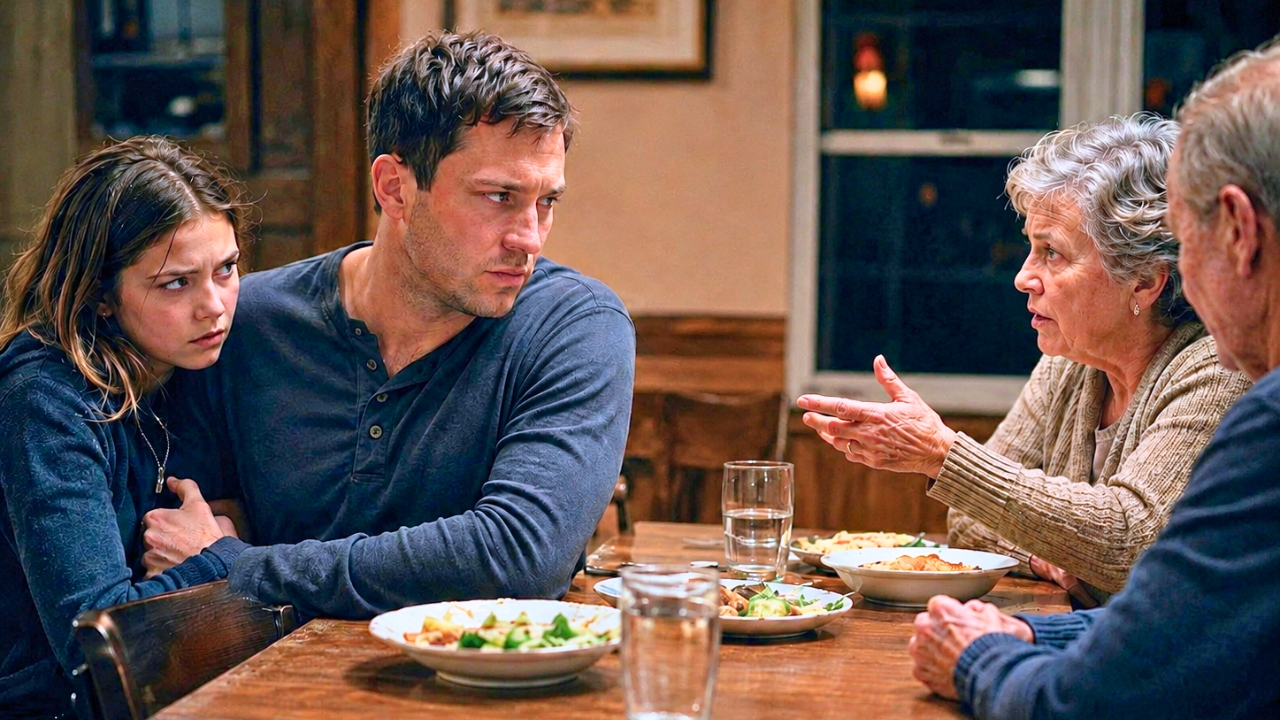
Photo credit: Thrivegirly
A 14-year-old girl who had been raised by her dad alone said she was trying to give her mother a chance, even though the relationship had started very late.
Her parents had been teenagers when she was born. Not long after, her mother moved away, and her father was left to raise her by himself while still trying to finish school. He was 16, broke, and still growing up too, but he stayed. He became the parent who handled the daily work, the school mornings, the birthdays, the ordinary life.
Her mother did not come back until the girl was already 14.
Around a year before the post, the mother suddenly reached out and asked to meet. The girl began seeing her once a month, usually for lunch. She also met her maternal grandparents sometimes. Everyone was nice enough at first, but the connection did not feel especially deep. The girl said she did not feel close to her mother.
Her father clearly disliked the arrangement, though he let her decide. He never wanted to be around the mother and seemed reluctant every time the girl went to meet her. Over time, the girl learned some of the background: her mother had struggled with drinking when she was younger and had been “a really bad person,” as the girl put it. Still, the daughter thought maybe she had changed.
Then her birthday came up.
The girl was turning 15 and planned a small party with her dad’s mother and her best friends. Her mother found out the birthday was coming and called the father to ask what they were doing. He told her she did not need to come.
When the father asked his daughter whether she wanted her mother there, the girl said no. It was not meant to be cruel. She simply did not feel close enough to include her at a small birthday party.
Her mother was hurt and pulled away. She said she needed time away from them, and when the girl tried calling, only the maternal grandparents picked up and told her to leave her mother alone. According to the Reddit post, the girl wondered if she should have just let her mother come to avoid hurting her feelings.
Then the grandparents suggested a separate family dinner to smooth things over.
The dinner started awkwardly but civilly. Her dad was uncomfortable, and the atmosphere was stiff. Then the grandparents began pushing for the mother to take on more of a role. They suggested the mother could go places with the girl and even drive her to school in the mornings — something her dad already did.
The father said that was not needed.
The grandparents got angry and asked why he was so against them. The mother mostly sat there embarrassed and quiet. Then the grandmother said the girl needed her mother to have a “real family,” because just her dad was not enough.
That line broke something.
Her father got angry, told his daughter to pack up, and they left. When they got home, he locked himself in his room, and the girl heard him crying.
For a child who had watched her dad show up every day while her mother stayed gone for most of her life, that comment was devastating. Her dad was not a partial family. He was her family. He had been the one who stayed, sacrificed, and built a life with her when everyone else had disappeared.
The next day, she called her mother and said she did not want to see her ever again.
Her mother cried and tried to apologize, but the girl hung up. Then her mother sent voicemails saying she should not punish her for what her parents said and that she needed to stop overreacting.
After cooling down and reading advice from commenters, the girl reconsidered. She decided she might keep talking to her mother, but not to the grandparents.
That is when her father told her more of the history. Her mother’s parents had apparently disapproved of him because he was poorer and because his own mother was a single mom. The maternal family was classist, and they had treated him badly when he was a teenager. That helped explain why her father hated them so much and why their “real family” comment hit him so hard.
Eventually, the father called the mother and set new terms. The mother could continue seeing the girl once a month, but the grandparents would not be involved, and the mother would not drive her to school.
The mother agreed.
She apologized to both the girl and the father, and the father tried to tolerate her more. The girl said she was trying to be less angry with her mother because it seemed like she was making an effort. She also wanted to show her dad more appreciation for everything he had done.
The update was hopeful, but it did not erase the damage. The grandparents had tried to step into a life they had not helped build and define “real family” in a way that dismissed the one parent who had actually been there. The girl may have chosen to keep the door open to her mother, but she also made one thing clear: her dad was not some incomplete version of family.
He was the real one all along.
Commenters strongly defended the girl and her father. Many said the mother and grandparents had no right to expect birthday invitations, school drop-offs, or parental status after being absent for most of the girl’s life.
A lot of readers focused on the “real family” comment. They felt it was cruel to say a single father who had raised his child since infancy was not enough, especially when the people saying it had not been present.
Several commenters were frustrated that the mother’s first response to being told no was to pull away and say she needed time. To them, that showed she was still centering her own feelings instead of her daughter’s.
The update softened some reactions toward the mother because she apologized and agreed to boundaries. But commenters remained firm about the grandparents. They saw them as the real danger to the relationship, especially if they kept trying to rewrite the father’s role after he had spent 14 years doing the work.