Mechanic Says His Former Boss Kept Three Toolboxes Full of Tools — Then He Couldn’t Work Without Them
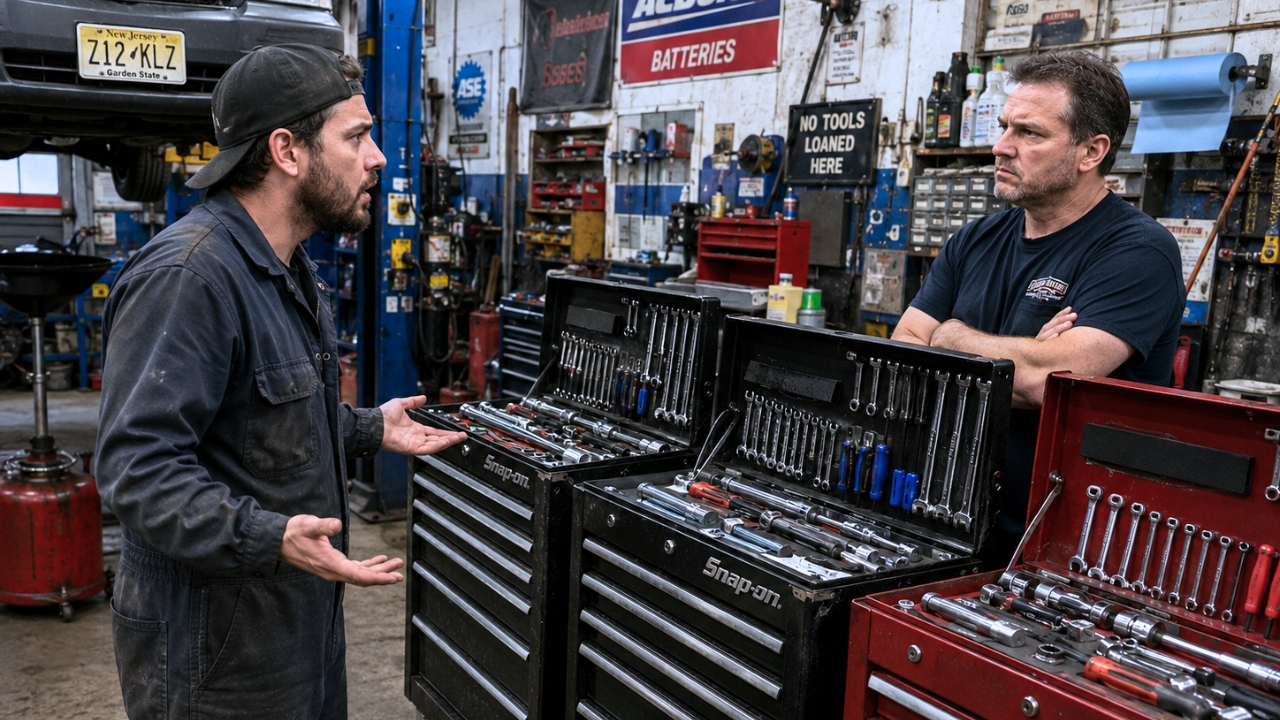
Photo credit: Thrivegirly
A New Jersey mechanic says quitting his job should have meant packing up his tools and moving on to the next shop.
Instead, his former boss kept them.
He explained in a Reddit post that after he quit, his employer refused to return three full toolboxes of tools he had owned for years. He said he had receipts proving they belonged to him, but the boss still would not hand them over.
That is not a small problem for a mechanic.
Tools are not optional in that line of work. They are the job. Mechanics often buy their own tools over years, rolling them from shop to shop as they move through their careers. A good setup can cost thousands, sometimes tens of thousands, of dollars.
So when the former boss held onto all three boxes, the mechanic said it was keeping him from making a living.
That is what made the situation feel so urgent. This was not an old employer holding onto a jacket, a coffee mug, or a few papers left in a desk. The boss had the equipment the mechanic needed to accept another job and earn money.
The mechanic said the boss got angry when he quit. After that, the employer started claiming the mechanic had damaged cars while working there, which the mechanic denied. He believed the boss was using those accusations as a way to justify holding the tools and possibly interfere with the job offer he had lined up.
That made the whole thing feel less like a paperwork dispute and more like retaliation.
If the boss believed the mechanic had caused damage, there were proper ways to handle that. He could document the alleged damage, go through insurance, sue if he believed he had a legitimate claim, or handle it through whatever employment process applied.
What he could not do, at least in the mechanic’s view, was hold personal property hostage.
The mechanic went to police, but he said they did not help and told him it was a civil issue.
That answer infuriated him. From his perspective, someone was refusing to give back property he owned and had proof of ownership for. He wanted to know how that was not theft.
Commenters had a lot to say about that.
Some pushed back hard on the police response, saying he should go back, insist on filing a stolen-property report, and ask for a supervisor if officers kept dismissing it. One commenter suggested asking for a “keeping the peace” call, where police would accompany him to the workplace so he could retrieve his belongings without a confrontation.
Others said that if police still refused to get involved, he may need to sue the former employer for the return of the tools or their value. Several commenters used the legal term “conversion,” meaning someone wrongfully keeping property that belongs to someone else.
There was also the lost-income issue. If the mechanic could not start his new job without his tools, the boss’s refusal may have cost him wages, not just property access. Commenters suggested he talk to a lawyer, especially because the boss was allegedly trying to sabotage the new job by making claims about damaged cars.
The tool value became a major point too.
Some commenters explained that three mechanic toolboxes could contain $15,000, $20,000, or even far more in tools. One person said their father-in-law’s three boxes held around $70,000 worth of equipment. The exact value of the mechanic’s tools was not stated, but the point was clear: three full boxes are not small claims in the way outsiders might assume.
That may be part of why the police response felt so dismissive. To someone outside the trade, “tools” might sound like a handful of wrenches. To a mechanic, it can mean a career’s worth of specialized equipment.
The mechanic also had receipts, which mattered. Proof of ownership could help with police, court, or a demand letter from a lawyer. Commenters told him to gather every receipt, credit card statement, photo, serial number, and record he had.
The post did not include a final update showing whether he got the tools back. But the conflict was clear enough. He quit. His boss got angry. His boss kept three toolboxes full of personal tools and allegedly tried to damage his next job opportunity.
That is not normal offboarding.
That is a former employer holding a worker’s livelihood behind the shop door.
Commenters mostly told him to keep pushing and not accept the first police response as the final answer. Many said the tools were his property and that he should insist on filing a report or ask for a supervisor if police kept calling it civil.
Several people suggested asking police for a civil standby or “keeping the peace” visit so he could go to the former workplace and retrieve his tools safely.
A lot of commenters stressed how valuable mechanic tools can be. Three full toolboxes could represent many thousands of dollars and years of investment, not a few replaceable hand tools.
Others said if law enforcement would not help, he should contact an attorney and send a formal demand letter. Some mentioned suing for conversion, the value of the tools, and possibly lost wages if he could not work because the tools were being withheld.
The strongest advice was simple: document ownership, document the employer’s refusal, and move fast. A mechanic without his tools is not just missing property — he is being blocked from earning a living.