Man Says His Friend Excluded His Wife From the Wedding — Then Expected Him to Still Stand as a Groomsman
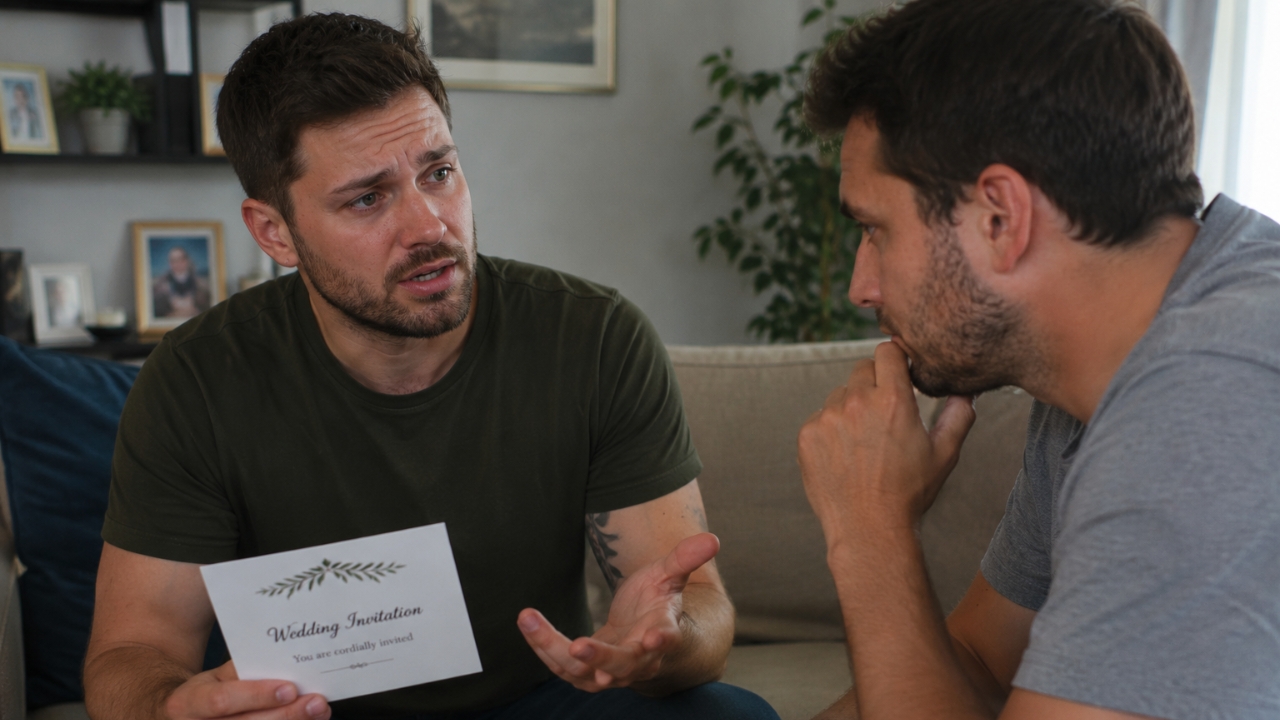
Photo credit: Thrivegirly
A man says he had already agreed to stand beside his friend as a groomsman when the wedding invitation arrived with one glaring problem: his wife was not invited.
He explained in a Reddit post that he had been friends with the groom for years. When the groom asked him to be in the wedding party, he said yes. At that point, he seemed to assume his wife would naturally be included as his guest.
Then the actual invitation came.
It was addressed only to him.
His wife’s name was not on it. There was no plus-one. No quiet clarification. No “we’re keeping things small, but we hope you understand.” Just an invitation for him to attend and stand in the wedding while his wife stayed home.
That put him in an uncomfortable spot immediately. Being a groomsman is not the same as being a casual guest. You are usually expected to spend money, attend events, show up early, stand through the ceremony, take photos, and support the couple all day. Asking someone to do all of that while excluding their spouse is a much bigger ask than inviting one single coworker without a guest.
The man did not see his wife as optional.
From his point of view, marriage means they are a unit for major social events like weddings. That does not mean every casual party needs to include both spouses. But a wedding is different, especially when one spouse is being asked to participate in the ceremony.
He decided to withdraw as a groomsman.
That decision upset people. The groom apparently did not think the exclusion should be a big deal, and the man was left wondering if he was wrong for backing out after already agreeing to stand in the wedding.
But the core issue was not only the invitation. It was the message the invitation sent.
If his wife was excluded because of budget or space, the groom could have had that conversation respectfully before asking him to be a groomsman. If there was some conflict with the wife, that should have been addressed directly. If the groom simply did not think spouses needed to be included, then the man was allowed to disagree.
The man seemed to feel that accepting the role after his wife was excluded would be disrespectful to her. It would mean giving his time, money, and visible support to an event where his own marriage was not being respected.
That is a hard sell.
Some people treat wedding guest lists like math problems: limited headcount, limited budget, limited room. But relationships are not only numbers. If you ask a married person to be in your wedding party, you are not just inviting a body to fill a suit. You are asking someone with a life, a household, and a spouse to prioritize your day.
The least you can do is not make that spouse feel deliberately left out.
The post did not appear to end with a neat reconciliation or a last-minute added invitation. It stayed in that tense wedding-planning place where one person says, “It’s our wedding, our guest list,” and the other says, “That’s fine, but then I’m not obligated to participate.”
That distinction matters.
The groom had the right to invite whoever he wanted. But the man had the right to decide he would not stand in a wedding that excluded his wife.
An invitation is not a summons. And being asked to be a groomsman does not mean handing over your marriage at the door.
Commenters mostly told him he was not wrong for withdrawing. Many said it is poor etiquette to invite someone to be in the wedding party while excluding their spouse.
Several people said the groom should have told him upfront if his wife was not invited. Asking him to agree first, then letting him discover the exclusion later, made the situation feel disrespectful.
A lot of commenters focused on the difference between a random plus-one and a spouse. They said a wife is not the same as “bring whoever.” She is his family.
Some commenters said the couple getting married can set whatever guest list they want, especially if money or space is tight. But even those commenters generally agreed that guests can decline if the invitation does not work for them.
Others warned that if he went alone after his wife was excluded, it could create resentment at home and send the wrong message about where his loyalty sits.
The strongest advice was simple: the groom can have a wedding without the wife there, but he cannot demand the husband stand beside him anyway.