Man Caught His Former Friend Rummaging Through the Basement at 5 A.M. — Then Police Took DNA Swabs From the Break-In Scene
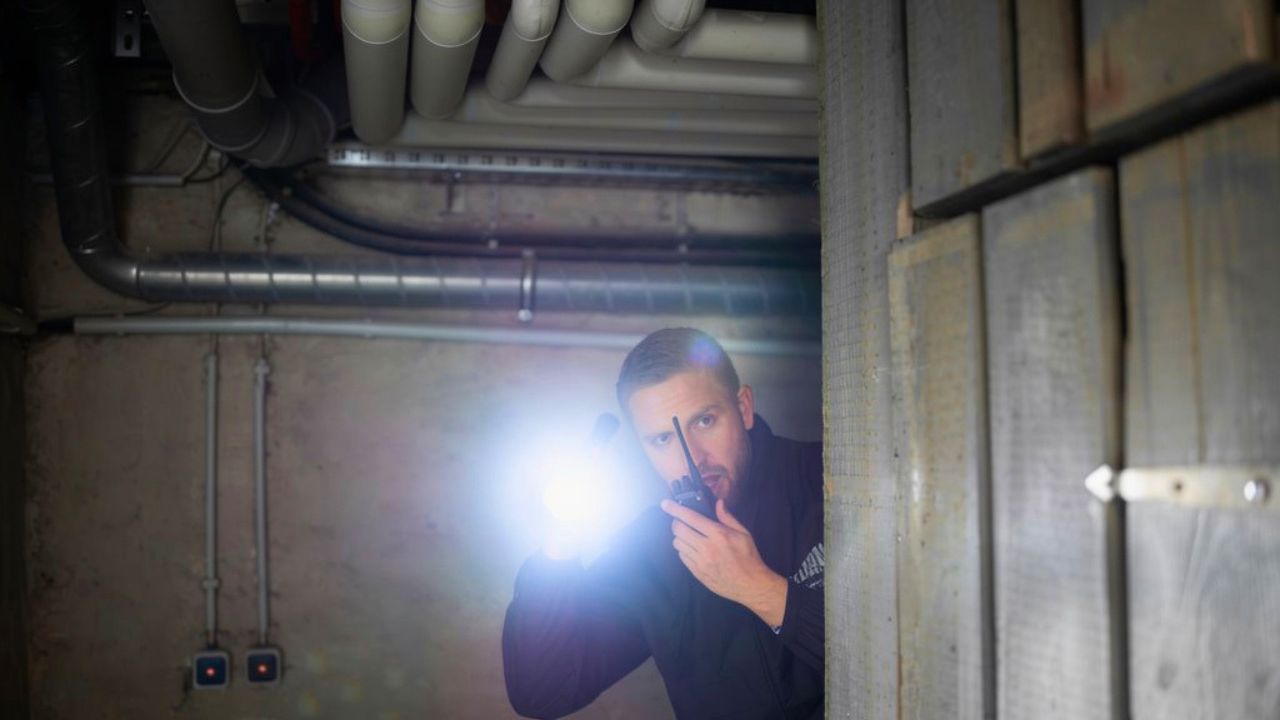
Photo credit: AndreyPopov/istock.com
A Minnesota man says he and his fiancée tried to help a close friend during a rough stretch by letting him stay in their home.
They made a payment agreement with him and hoped it would give him enough time to get back on his feet. But instead of improving, the situation started falling apart.
He explained in a Reddit post that the friend began abusing hard drugs, shoplifting, and keeping stolen items in their home. He also started dealing with criminal charges, made no real effort to get stable, and became verbally aggressive whenever the couple brought those issues up.
Eventually, they had to throw him out.
By then, he owed them about $3,000.
Four months passed.
Then, around 5 a.m. on Jan. 8, 2026, the man unexpectedly found the former friend inside the house again.
Not at the door. Not in the driveway. Not texting an apology or asking for one more favor.
He was in the basement, rummaging through their things while the household slept.
The homeowner said he drew his handgun and asked what the man was doing in the house. Then he escorted him out for the safety of his family. Almost immediately, the former friend ran, jumped into a truck, and sped away.
That was when the homeowner saw he had not come alone.
There was another person with him, someone the homeowner did not know, and that person had brought the truck. While the homeowner was dealing with the former friend inside the house, the other person had apparently been in the garage.
Afterward, the homeowner discovered the garage had been broken into too.
The unknown accomplice had loaded the truck with valuables from the garage.
That detail changed the whole picture. This was not only a former friend sneaking back into the basement. It looked like a coordinated burglary, with one person inside and another clearing out the garage.
The family called police and filed a report. Officers gathered evidence and took DNA swabs to try to identify the unknown accomplice. According to the homeowner, police were already familiar with the former friend, but the second person still had not been identified at the time of the post.
The material loss was bad enough.
But some of what was taken carried a weight money could not touch. The homeowner said many of the stolen items were things he had inherited from his father after his father was murdered in 2020.
That made the burglary feel brutally personal.
A stolen tool or valuable can sometimes be replaced, at least in theory. But an inherited item tied to a dead parent, especially one lost through violence, is not just property. It carries memory, grief, and the feeling of one more thing being taken after someone already lost far too much.
The homeowner said his emotions were all over the place. The whole family was traumatized, including the couple’s two young children. He and his fiancée were considering a civil lawsuit in addition to the criminal case, especially once police identified the accomplice.
His legal question was whether they should sue each person separately or file one lawsuit against both.
Commenters mostly gave him a hard but practical answer: yes, they could likely sue both people, but winning a judgment and collecting money are very different things.
That was the painful part. The combined value of stolen property and damage was around $14,000, not including the $3,000 the former friend already owed them. But if the men involved had no assets, no steady income, or were deep in addiction, even a court judgment might not get the family paid back.
One commenter suggested looking into restitution through the criminal case. That could potentially cover losses tied to the burglary, though it would not necessarily solve the old $3,000 debt from when the friend lived with them.
The homeowner seemed to understand he might never recover the stolen items. But he still wanted accountability for the financial damage, the repairs, and the emotional wreckage left behind.
That is the cruel thing about burglary. The criminal case may deal with charges. Civil court may deal with money. Insurance may or may not cover certain losses. But none of those systems can fully repair the feeling of waking up to someone you once helped going through your basement at dawn while another person strips valuables from your garage.
The family had opened their home to someone in trouble.
Months later, according to the homeowner, he came back with another man and robbed them.
Commenters generally told him he could sue both people together, but warned that collecting money would likely be the real problem. Several said if the suspects had no assets or steady income, a civil judgment might end up being little more than an expensive piece of paper.
Many urged him to ask about restitution through the criminal case, since the burglary was already being investigated and criminal restitution may be a more direct path for the stolen property and damage.
A lot of commenters said emotional distress damages would be difficult to recover, even though the family’s trauma was understandable. They said courts are usually better at assigning dollar amounts to stolen property, repairs, and documented expenses.
Others suggested separating the old $3,000 debt from the burglary losses, because the debt involved only the former friend while the garage theft involved both people.
The strongest advice was practical: keep every police report, photo, receipt, repair estimate, inheritance record, and communication. Even if the money is hard to recover, the documentation is what gives the family any chance at restitution or a civil claim.