
How to Help In the Kitchen Without Driving Your Host Crazy

Image Credit: bbernard/ Shutterstock.
Hosting a gathering is no small feat, and the kitchen is usually ground zero for chaos. I’ve been on both sides of this—playing host while someone hovers over my cutting board or being the guest who thinks I’m helping but probably isn’t. The truth is, there’s a fine line between being genuinely helpful and unintentionally getting in the way.
After plenty of trial and error (and a few side-eyes from friends), I’ve picked up on the unspoken rules that make helping in someone else’s kitchen a smooth experience. These tips will make you a better guest AND help you support your host without adding to the stress. Here’s what I’ve learned about offering help in the kitchen the right way.
Respect Their Kitchen Tools

Your host’s kitchen isn’t a free-for-all for your creativity. Grabbing their prized chef’s knife or using their cast-iron skillet without asking can feel intrusive, even if you’re just trying to help. People get attached to their tools—and for good reason.
If you’re given a task, use what they hand you and ask before borrowing anything else. It’s a small gesture, but it shows you respect their space and the things they rely on to pull off the meal.
Don’t Be the Taste Tester Without Permission

Sneaking a spoonful of sauce or grabbing a bite of food before it hits the table might seem harmless, but it’s not your place to decide when the dish is ready. Taste-testing without asking can feel like you’re critiquing their cooking—or worse, like you don’t trust they’ve got it under control.
If you’re helping with food prep, wait for the host to offer a taste or to ask for your opinion. They’ve got the vision for the meal, and your role is to support—not sample.
Avoid Crowd Control

The kitchen might seem like the best spot to chat, but when too many guests start gathering there, it becomes harder for the host to focus. Don’t be the person who invites others to “hang out” while your host is still cooking or organizing. It’s distracting, cramped, and can make their job unnecessarily stressful.
Instead, if you see a crowd forming, politely redirect people to another space. You can always say, “Let’s give the chef some room—come grab a drink with me!” Your host will silently thank you for keeping things flowing.
Don’t Make Them Tell You Twice

If your host politely declines your offer to help, trust that they mean it. Pushing them to let you help isn’t just unhelpful—it’s awkward. They’ve already got a system in place, and insisting could throw them off or make them feel like they’re hosting wrong.
Instead, do exactly what they suggested: relax, mingle, or grab a drink. Respecting their boundaries shows you’re there to support them, not add to their stress. Plus, stepping away frees them up to stay focused without worrying about managing you too.
Do Not Dig Around
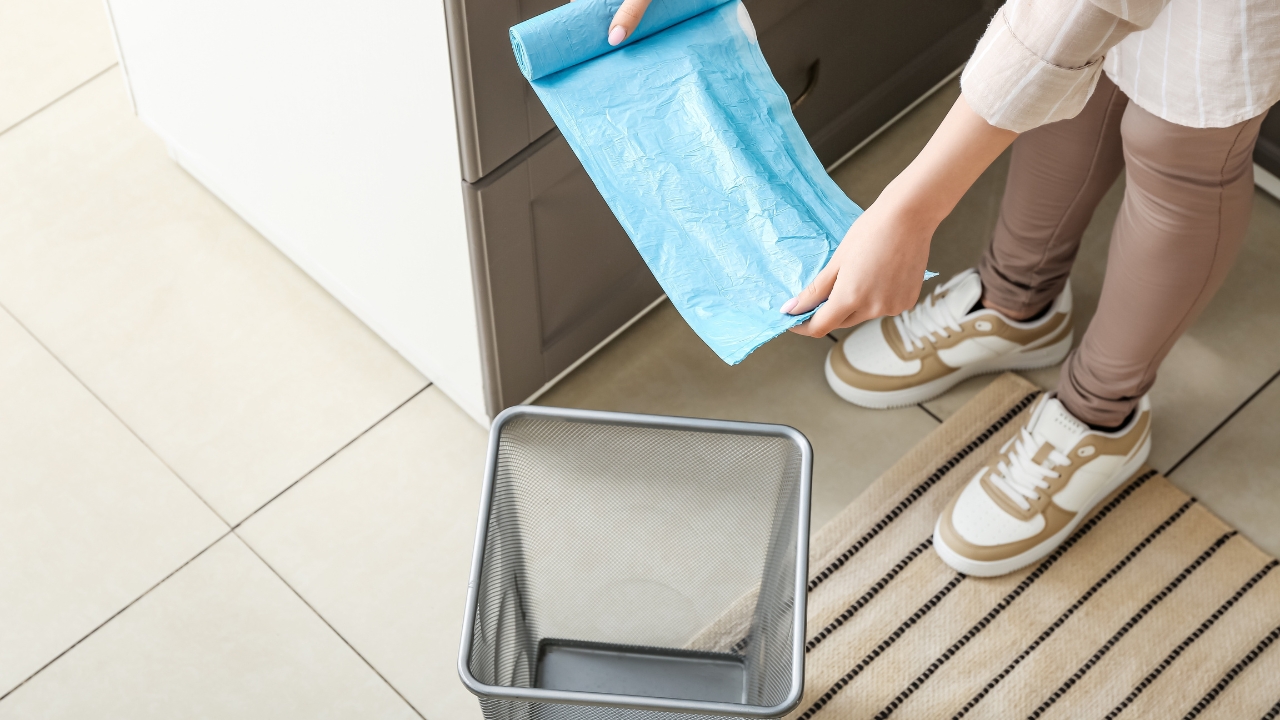
Spotting a spill or an overfilled trash can might make you want to jump into action, but resist the urge to go digging through cabinets for supplies. Your host probably stashed a million things out of sight to prepare for guests, and you rummaging through their stuff isn’t exactly helpful.
If you see something that needs attention, let them know discreetly. A quick “Hey, the trash looks full—want me to grab a new bag?” is way better than you playing detective. They’ll appreciate your thoughtfulness without feeling like you’ve uncovered their pre-party chaos.
Stay Out of the Kitchen Unless You’re Invited

Your host has a plan—trust me. If they say, “I’ve got it covered,” they’re not just being polite; they’re genuinely better off handling things solo. Instead of hovering or nudging your way in, offer specific help like refilling drinks or setting the table. If they say no, respect it. The kitchen isn’t the hangout zone unless they make it clear they want company.
It’s tempting to jump in when you see them juggling multiple dishes, but resist unless explicitly asked. Sometimes adding another person to the mix throws off their rhythm, and nobody wants a crowded, chaotic kitchen.
Avoid Hovering

Hanging out at the counter with a drink in hand might seem friendly, but it can quickly become overwhelming for the host. Even if you’re super close, sitting right in their workspace or offering unsolicited assistance can add unnecessary stress. Give them the space they need to work their magic.
Instead, find ways to help without being in the way. Ask if they’d like you to take over a side task elsewhere, or step out and chat with other guests. The less pressure your host feels to entertain while multitasking, the smoother things will go.
Keep Unsolicited Opinions to Yourself

So, the roux could be thicker, and the stuffing might benefit from a little sage—keep it to yourself. Unless your host directly asks for advice, offering suggestions in their kitchen can feel like criticism. Their cooking, their rules. Period.
Even if you’re a whiz in the kitchen, this isn’t the time to play chef. Focus on the task you’ve been given, and leave the decision-making to your host. Your support means following their lead, not rewriting the recipe.
Avoid Bringing Dishes That Need Extra Prep

Bringing a dish? Make sure it’s ready to serve or needs minimal effort. The last thing your host wants is to lend out their oven or scramble for extra bowls and counter space when they’re already juggling multiple tasks.
If your dish absolutely requires some assembly, clear it with your host in advance. Even then, keep it quick and simple—you don’t want to disrupt the flow or add stress to their already busy kitchen.
Leave Things Cleaner Than You Found Them

Don’t leave a trail of chaos behind. Once you’ve finished helping, clean up. Put away ingredients, wipe down counters, and find out where dirty dishes should go. Your host likely has a system, so ask if you’re unsure.
By tidying as you go, you’re making their job easier, not harder. Nobody wants to host and then face a tornado of mess in the kitchen afterward. A little effort here shows your appreciation for all they’ve done.