Handymen Swear by These 10 Genius Hacks
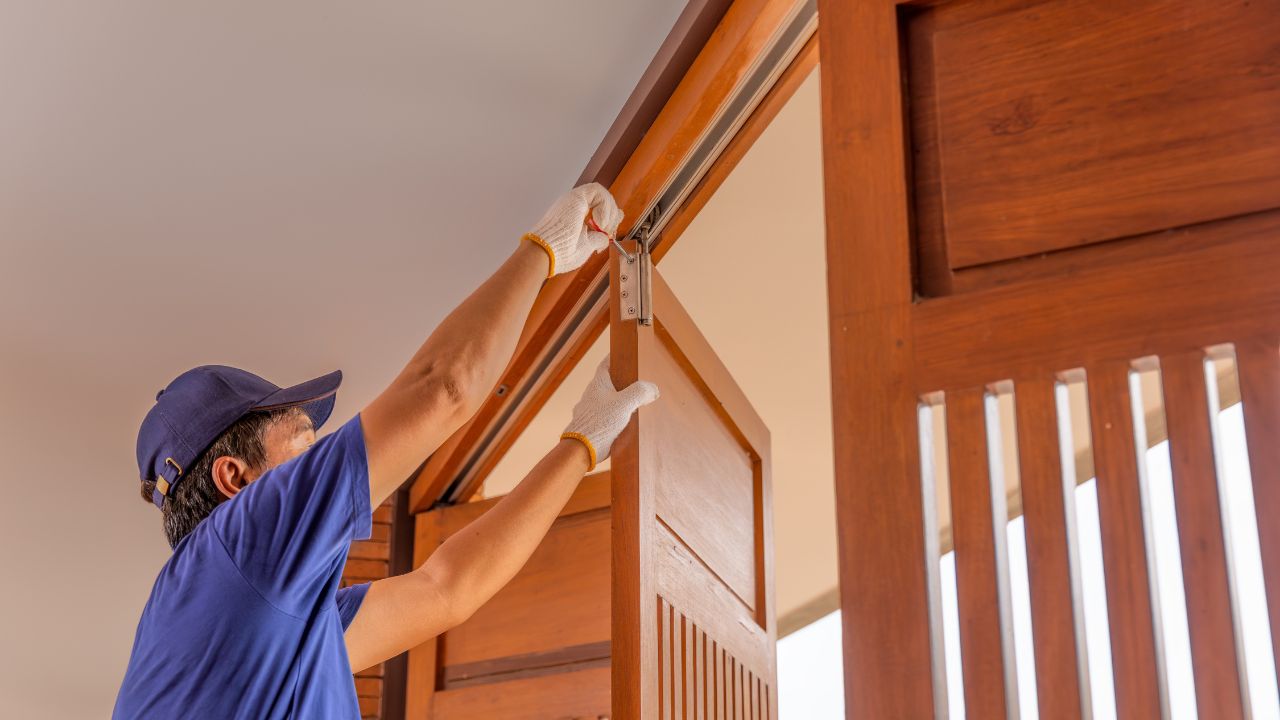
When it comes to tackling household tasks, I’ve found that handymen have some incredible tricks up their sleeves. These are the types of hacks that can make everyday projects easier and more efficient.
Ever wondered what secrets the pros keep under wraps? In this article, I’m diving into some of the genius hacks handymen swear by but often keep to themselves. Let’s uncover these clever tricks that can save time and effort in home maintenance.
Use Tension Rods for Storage
I had this fantastic epiphany about using tension rods for storage, and I’m thrilled to share it. These little wonders are usually used for curtains, but they’re perfect for so much more. I’ve placed them in my kitchen cupboards to store baking sheets and cutting boards upright, making access super easy.
Another creative way I use them is for closet organization. By adding a tension rod above my closet, I can hang extra clothes or accessories. This tip keeps my closet neat and adds space without hassle.
I’ve stumbled upon a great idea of using them for creating a makeshift shelf above doors. It’s incredible how adding a tension rod up there can offer that extra bit of storage for lightweight items. I even used one to set up a neat storage solution for wrapping paper in my craft area.
Avoid Ugly Hammer Marks
I’ve definitely had my fair share of projects where those annoying hammer marks appear. They seem to pop up out of nowhere and completely ruin the finish. To keep them at bay, I’ve learned to take a full, confident swing with the hammer.
When I aim confidently and focus on accuracy, I find that my projects turn out much cleaner. In cases where a slip-up still happens, using a piece of scrap wood next to the nail helps protect surfaces from accidental hits.
I’ve heard other DIYers swear by using a rubberized hammer cap. It helps cushion the blow, reducing the chance of leaving marks. If I’ve got a particular treasured project in hand, I won’t skimp on that extra protection.
Testing Miter Cuts
One trick I’ve learned is the value of testing miter cuts before committing to them. It can prevent a lot of wasted material.
To test a miter cut, I usually begin by setting my miter saw to the desired angle. Cutting a piece of scrap wood with the same height and thickness as the final piece helps me spot any errors.
Once the test cut is made, I fit it against the workpiece or another test piece. Checking for gaps lets me see if any adjustments are needed. This way, I’m not ruining the actual material.
This simple step saves me a ton of time and ensures the perfect fit every time. It’s all about being precise and a bit cautious in my approach.
Reclaim Wood with Vinegar
I recently discovered an amazing trick to reclaim wood using vinegar. It’s a simple, natural method that gives wood a weathered, rustic look. The best part is that you don’t need any fancy chemicals.
To start, I mix vinegar with steel wool. After letting the mixture sit for about 24 hours, it transforms into a perfect solution for aging wood. The vinegar reacts with the steel wool, creating an effective stain that highlights the wood’s grain.
Applying the vinegar with a brush or cloth lets me bring out unique textures and hues. This technique is my go-to for DIY projects where I want to achieve an aged barn wood look without the high cost. It’s always exciting to see the final outcome and how the wood transforms!
Magnetize Your Hammer
I love a good hack that makes my DIY projects just a tad easier. One of my favorites is magnetizing my hammer. It’s a simple trick that saves me from fumbling around for nails while trying to keep everything in place.
By attaching a small magnet to the side of the hammerhead, I can keep a few nails close at hand. This way, I don’t have to juggle them in my fingers, and it’s especially handy when I’m up on a ladder.
I use a strong adhesive to secure the magnet, making sure it’s positioned just right. It’s such a simple tweak, but it makes my work smoother and more efficient.
PVC Pipe to Store Tools
I’ve discovered that PVC pipes are perfect for organizing my garage. With just a few cuts, I can create compartments for different tools. It keeps everything neat and easy to find.
The beauty of using PVC is its versatility. I can make small sections for hand tools or longer tubes for larger items like rakes. I love how customizable it is.
Plus, PVC is pretty cheap. I don’t have to spend a lot to keep my workspace tidy. If you’re looking for a simple storage solution, this is definitely worth trying.
Get Rid of Creaky Floors
I’ve been dealing with squeaky floors for far too long, but a few simple tricks can help you get rid of those pesky noises. One easy solution involves using talcum powder or powdered graphite. Sprinkle it into the gaps between the floorboards, then sweep it to fill the gaps.
If that doesn’t work, there’s another option: securing the subfloor. I sometimes use screws to fasten it more tightly. The trick is screwing from underneath if possible, which involves a bit of crawling but gets the job done quietly.
Other times, I’ve found that special kits designed to fix squeaky floors can be a lifesaver. They include everything needed, like screws and tools, to silence the noise without damage. Solutions are out there; you just need to find the one that works best for your floor type.
Plastic Wrap for No Drips
I’ve found plastic wrap to be a lifesaver when it comes to avoiding spills. Whenever I paint, I wrap a layer of plastic wrap under the lid of the paint can. This simple trick prevents unwanted drips from creating a mess when I pour.
It also works great for sealing open containers in the fridge. Just a small piece ensures I avoid any messy drips or spills when things are moved around. The beauty of it is in its simplicity and effectiveness.
While cleaning may not be fun, this plastic wrap method cuts down on the hassle, letting me focus more on getting the paint on the walls or organizing the fridge without the mess.
Fix Stripped Screws with Rubber Bands
I’ve been there: stripped screws that just won’t budge. One clever trick I’ve found involves using a rubber band. By placing a wide rubber band between the screwdriver and the screw head, I can gain extra grip to loosen the screw. It’s a simple fix I turn to whenever I’m in a jam.
Sometimes, applying slow, steady pressure makes all the difference. Unlike other methods that require special tools, this approach uses everyday items. I recommend keeping a few rubber bands in your tool kit. It’s surprising how often this hack saves the day. For more advice, check out how a rubber band can grip stripped screws.
DIY Plywood Workbench
I decided to tackle building a workbench using plywood, and I’m pretty happy with how it turned out. It’s a straightforward project that offers great durability and a solid workspace.
I chose thick plywood because it’s strong and easy to work with. It makes the bench sturdy enough for all kinds of projects. Plus, it’s a versatile choice since it can be easily customized to fit my space.
One of the best parts is the added storage underneath. I created some shelving, which helps keep my tools organized. It’s essential to have everything within arm’s reach. For anyone who’s looking for a reliable workbench project, this plywood workbench guide on Instructables is super helpful.