A New Mom Asked for One Rule Around the Baby — Then Her Family Said She Was Acting Like a Gatekeeper
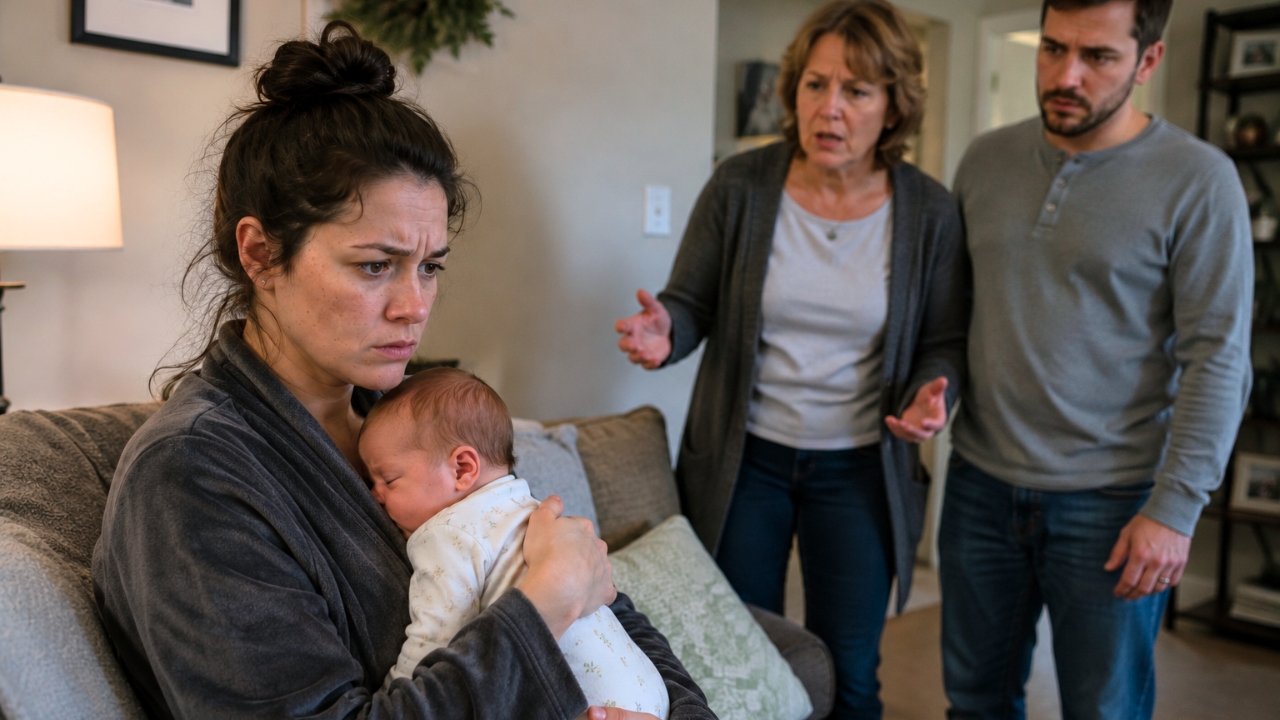
Photo credit: Thrivegirly
Two weeks after giving birth, a new mom thought she was keeping things simple. She wasn’t asking relatives to stay away, wasn’t demanding masks in the house, and wasn’t banning anyone from holding the baby. She wanted one thing: anyone who planned to visit needed to text first and wait for a reply before coming over.
Her reasoning was practical. The baby was still on a feed-change-sleep loop, she was recovering, and her partner was back at work on a staggered schedule. The couple lived in a small rental where a knock at the door could set off the dog and wake everyone up, turning a decent afternoon into a stressful reset.
But when she put the “text first” rule in the family group chat, the response was sharper than she expected. A few relatives said she was acting like she controlled access to the baby, using the word “gatekeeping” as if she’d set up a bouncer.
One rule, and it hit a nerve
The mom explained that it wasn’t about permission, it was about timing. She didn’t want to be in the shower when someone was at the door, or trying to breastfeed while the doorbell rang again and again. She also didn’t want her partner to have to be the bad guy turning people away when she was too exhausted to deal with it.
That didn’t calm the situation. An older relative replied that family shouldn’t need to “make appointments” to meet a new baby. Another said they’d never had to do that when they were raising kids, and that new parents were too anxious.
It escalated when her mother-in-law texted privately, saying it felt insulting and that she shouldn’t have to wait for a response to stop by with food. The mom thanked her for the offer, but repeated the same boundary: text first, and they’d tell her when it was a good time.
The first unannounced drop-in turned into a scene
The next afternoon, the doorbell rang while the mom had the baby on her chest and had finally gotten her to sleep. The dog barked, the baby startled awake, and within seconds the mom was holding a crying newborn and trying not to cry herself.
Through the peephole she saw two relatives on the porch with shopping bags. She didn’t open the door right away, hoping they’d realize it wasn’t a good time. Instead, the knocking started, then the doorbell again, followed by phone calls.
Her partner was still at work, so she texted back: not a good time, please come tomorrow after 4. The response she got wasn’t acceptance—it was frustration, plus a message that they were already there and “had driven all this way.”
When she finally cracked the door to take the food and end it quickly, one relative tried to step inside. She blocked the doorway, said thank you, and repeated they weren’t having visitors right then. That’s when the accusation of controlling access to the baby moved from the group chat into real life.
It stopped being about feelings when the boundary was ignored repeatedly
After that, the “drop-bys” didn’t stop. They shifted. Some relatives would text that they were “in the area” as they pulled into the driveway, treating it like a courtesy notice rather than a request. Others would show up during the day when they knew the mom was home alone.
The mom started tracking it because she was losing sleep and getting jumpy at every sound. The dog’s barking became a problem in itself, and she worried about complaints from neighbors in the duplex. She also worried that if she didn’t answer the door, someone might try the handle or look through windows, not out of malice but out of entitlement.
That fear wasn’t abstract. One afternoon she heard the screen door rattle, then a knock that moved into a push as if someone expected it to give. When she opened the inside door, her father-in-law was standing close enough that she had to step back. He said he assumed it was fine because he was “just stopping in.”
She told him directly that it wasn’t fine and that the rule applied to everyone. He left irritated, and within an hour the family group chat had a new message: she was making it “hard” for people to bond with the baby.
The practical consequences started piling up
The mom didn’t want a war with family, but she also couldn’t keep living like she was on call. She put a note on the door asking visitors not to knock and to text instead. That backfired when one relative sent a photo of the note to others, framing it as rude.
Then the rental’s management got pulled into it indirectly. A neighbor mentioned that the repeated knocking and dog barking was getting disruptive and asked if everything was okay. The mom felt embarrassed, but it also validated what she’d been trying to prevent: a small boundary turning into a bigger household issue.
She installed a basic doorbell camera, partly for peace of mind and partly so she could respond without opening the door. She also changed the dog’s routine, keeping him in a back room during nap times. None of it fixed the underlying problem that her relatives didn’t accept being told no.
Her partner tried to mediate by calling his parents and saying the request wasn’t personal. He pointed out that the baby’s pediatrician had emphasized limiting stress in the home and maintaining consistent sleep. The call didn’t end well, and the “gatekeeping” label became shorthand in the family for any time the mom didn’t comply immediately.
Commenters focused on documentation and making the boundary enforceable
When the mom described the situation online, a lot of people zeroed in on the part that wasn’t emotional at all: the pattern of unannounced visits. The advice wasn’t to argue more—it was to make the boundary clearer and easier to enforce without a confrontation at the door.
Some suggested keeping everything in writing, including a single message sent to the whole family that laid out the rule and what would happen if it wasn’t followed: no reply means no visit, and showing up anyway means the door won’t open. Others encouraged using the camera as a buffer—respond through it, accept drop-offs without letting anyone inside, and avoid getting pulled into doorstep debates.
A practical thread ran through much of the feedback: if relatives were rattling handles or pushing past the threshold, that crossed into safety territory. People urged her to treat the home like any other home—unexpected visitors don’t get access just because they share DNA. A few suggested looping in the landlord if the situation escalated, especially if neighbors complained about noise or if anyone damaged the door or frame by forcing it.
And for the “food as leverage” issue, commenters pointed out a reality new parents learn fast: gifts don’t buy entry. Drop a meal, text a photo, and leave it at the doorstep if the family says it’s not a good time.
The family conflict shifted into a long-term standoff
The mom eventually sent a calm, firm message: she loved that everyone was excited, but unannounced visits were putting stress on her recovery and disrupting the baby’s sleep. She repeated the one rule and said that if someone came without confirmation, she wouldn’t open the door.
That message did reduce the doorbell ambushes, but it didn’t repair the feelings. A couple relatives went quiet, and one began coordinating visits through her partner instead of her, which felt like a workaround meant to sideline her. Holidays and birthdays became awkward because the family treated access to the baby like a negotiation.
For now, the mom is sticking to the same boundary, not because she wants control, but because she wants stability. The tension hasn’t fully lifted, and it may take months of consistent enforcement before the family adjusts. But in a small home with a newborn and a recovering parent, predictability isn’t a luxury—it’s the difference between getting through the day and feeling like you’re constantly bracing for the next knock.