In-Laws Arrived Expecting a Full Weekend of Hosting — Then the New Mom Said She Had a Baby and Handed Them a Restaurant Menu
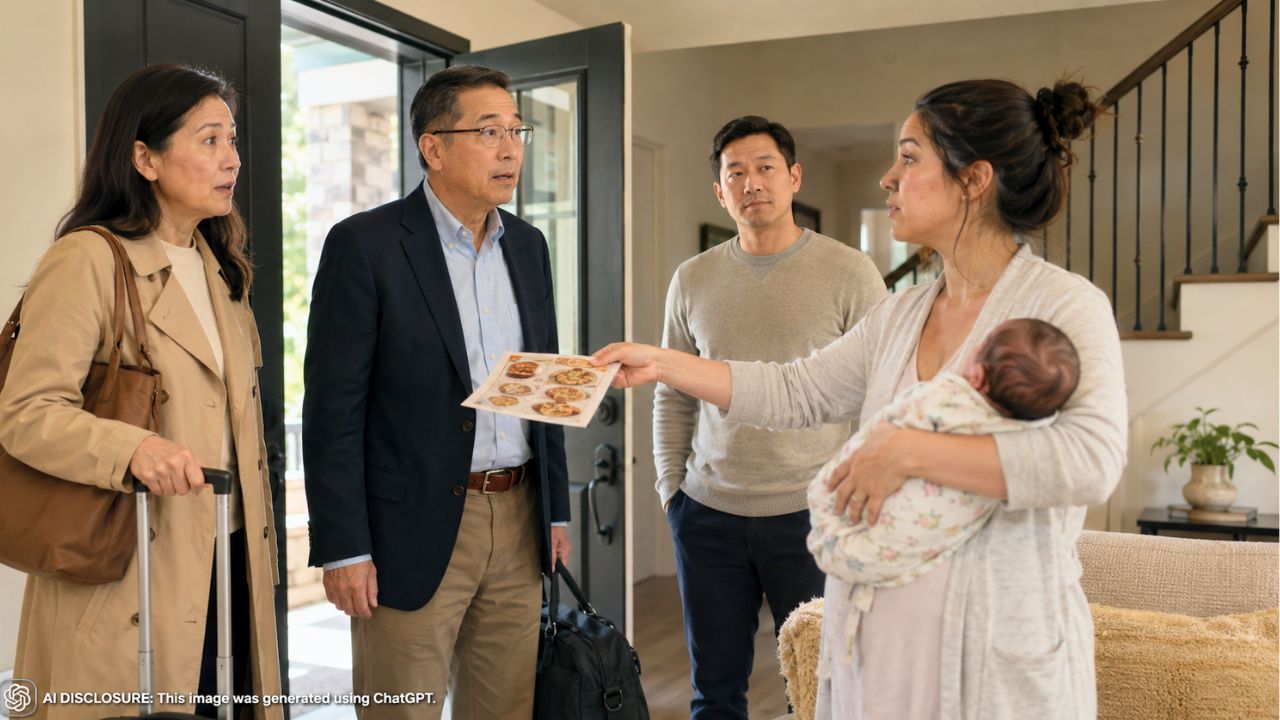
Three weeks after giving birth, a mom looked at the calendar and saw a full house coming anyway. Her husband’s parents, sister, brother-in-law, and their kids were flying in from across the country for spring break to meet the newborn—seven visitors total, even if they weren’t sleeping under her roof.
They’d booked an Airbnb, but the plan was to spend “all day every day” at the couple’s home. And that’s where the pressure point hit: she wasn’t just recovering and running on broken sleep, she was bracing to be treated like the host of a weeklong family vacation.
A visit to meet the baby turned into a weeklong expectation
The couple’s first child was born during the height of Covid restrictions, so the extended family didn’t meet him in person until his first birthday. This time, with baby number two just delivered, they asked to visit during spring break to see the newborn. She agreed, knowing it would be intense but assuming there would be limits.
In her mind, the boundaries were straightforward. The relatives would have their own place to stay, meals would be simple, and she’d focus on resting, feeding the baby, and helping their toddler adjust to the new sibling. She flagged the reality: she was exhausted, up with the baby at night, and still trying to get breastfeeding established.
It wasn’t just the number of people. It was the rhythm of it—seven guests in the house for long stretches, day after day, while she’s bleeding, sore, sleep-deprived, and trying to nurse in her own living room.
“Ordering in” was the plan—until the hosting started creeping back in
Before the visit, she told her husband to set expectations: they’d be ordering in for meals, and the house would only be stocked with basic breakfast items and snacks—eggs, cereal, drinks, chips, fruit. Not an elaborate spread. Not a curated “we’re so happy you’re here” experience.
Her husband’s response went in the opposite direction. He started listing what “they” would need for his parents and the kids, talking about making a special meal one day, and insisting on getting the “best” bread and the “best” cheese—an upscale grocery run that would take multiple stores and hours out of the day.
What made it sting more: he even floated asking her dad—who sometimes picks up specialty groceries for them—to shop for items for his visiting family. To her, that didn’t sound like hospitality. It sounded like her support system being redirected to serve a house full of guests while she was postpartum.
That’s when she snapped. She told him she wasn’t going above and beyond and “play host” while recovering, and that his family could “eat the stuff from the grocery store even if it’s not the best and deal for 5 days.” He told her she sounded spiteful.
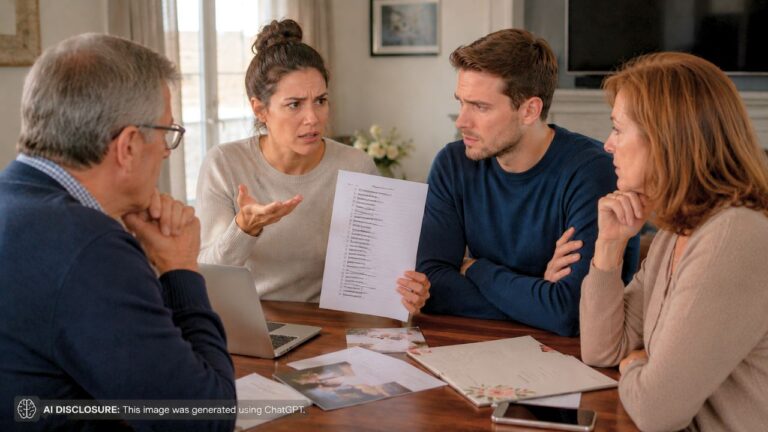
The deeper worry: she’ll be the one working while everyone visits
Under the grocery argument was something bigger: a pattern she says happens whenever his family is around. Her husband tends to check out of the work of hosting—chatting for hours with his brother-in-law, playing with the nephews—while she ends up managing the invisible labor that keeps the house running.
In practical terms, she expects she’ll be the one setting out snacks, cleaning up, and trying to keep things calm, while the in-laws focus on holding the baby. And in her view, “holding the baby” isn’t help when what she needs is sleep, meals handled, and someone else keeping the toddler busy or taking over chores.
She also worries her husband’s priority is the visit being “a good time,” and his family being comfortable, not protecting her recovery. With the visit days away, she fears she’ll be left to enforce boundaries herself—an uncomfortable role when you’re exhausted and everyone has traveled across the country “to see the baby.”
The disagreement escalated into a big fight. She yelled, stopped talking to him, and sat with growing resentment as the countdown to the visit continued.
Health precautions, guilt, and a house that won’t feel like hers
After getting feedback, she added context that complicates the picture. Her in-laws haven’t demanded to be hosted; the push for a full, comfortable spread is coming from her husband. Still, based on past visits, she doesn’t expect the relatives to arrive ready to lighten her workload—she says any “help” tends to create more work for her.
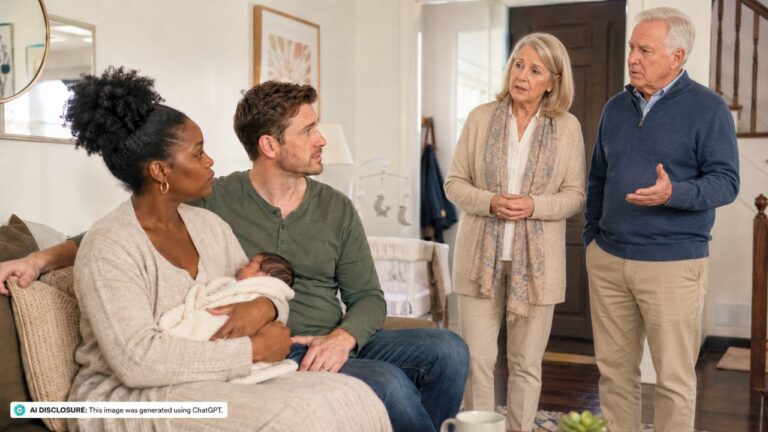
There are also real limitations. Her mother-in-law is blind and has an autoimmune disease, so she won’t be able to pitch in—and the mom writing the post says she doesn’t expect her to. Her father-in-law serves as her caregiver, and the mom understands that her MIL’s main wish is to hold the newborn in person, something she couldn’t do with the first child when he was tiny.
Even so, the mom feels guilty about the idea of her MIL in the house “8 hours a day for 5 days straight.” Not because she doesn’t want her there, but because that kind of constant presence can swallow any chance to rest, nurse privately, or have a normal day in your own home.
Layered on top is Covid caution. She asked the visitors to take tests before flying, mask in airports and on the plane, and wear a mask while holding the baby. She believes they’ll respect it, partly because they’re used to extra precautions due to her MIL’s health.
What people pushed back on: postpartum is not a performance
In the discussion around her story, the overwhelming reaction was that recovering after childbirth isn’t compatible with entertaining. People focused less on whether ordering in was “rude” and more on the logistics: a newborn schedule, breastfeeding, sleep deprivation, and the mental load of seven extra bodies in the house.
The sharpest critiques were aimed at her husband’s impulse to turn the week into an experience—especially the idea of spending hours shopping for premium items when he’s needed at home. Commenters also zeroed in on the difference between “visiting the baby” and actually helping the parents: cleaning, cooking, taking the toddler out, and limiting the length of daily visits so the mom can recover.
Some also honed in on the boundary problem: if the relatives are staying at an Airbnb but spending all day at the house, the home effectively becomes the gathering space, and the new mom is the default manager. Without clear time limits and a plan for meals that doesn’t fall on her, the week could become a slow grind.
The mom’s original question—whether she’d be wrong for not lifting a finger—turned into a larger point: postpartum households don’t need a hostess. They need protection, structure, and someone willing to say, kindly but firmly, that meeting the baby doesn’t require being catered to. The full details of her dilemma are in the original post.
With the visit imminent, the unresolved issue isn’t really bread or cheese. It’s whether her husband will treat the week like a family reunion, or like a fragile recovery window—and whether the new mom can reclaim her home as a place to heal, not a venue to host.