Sister Refused to Wear the Bridesmaid Dress and Bought Her Own — Then the Bride Asked Her to Step Down
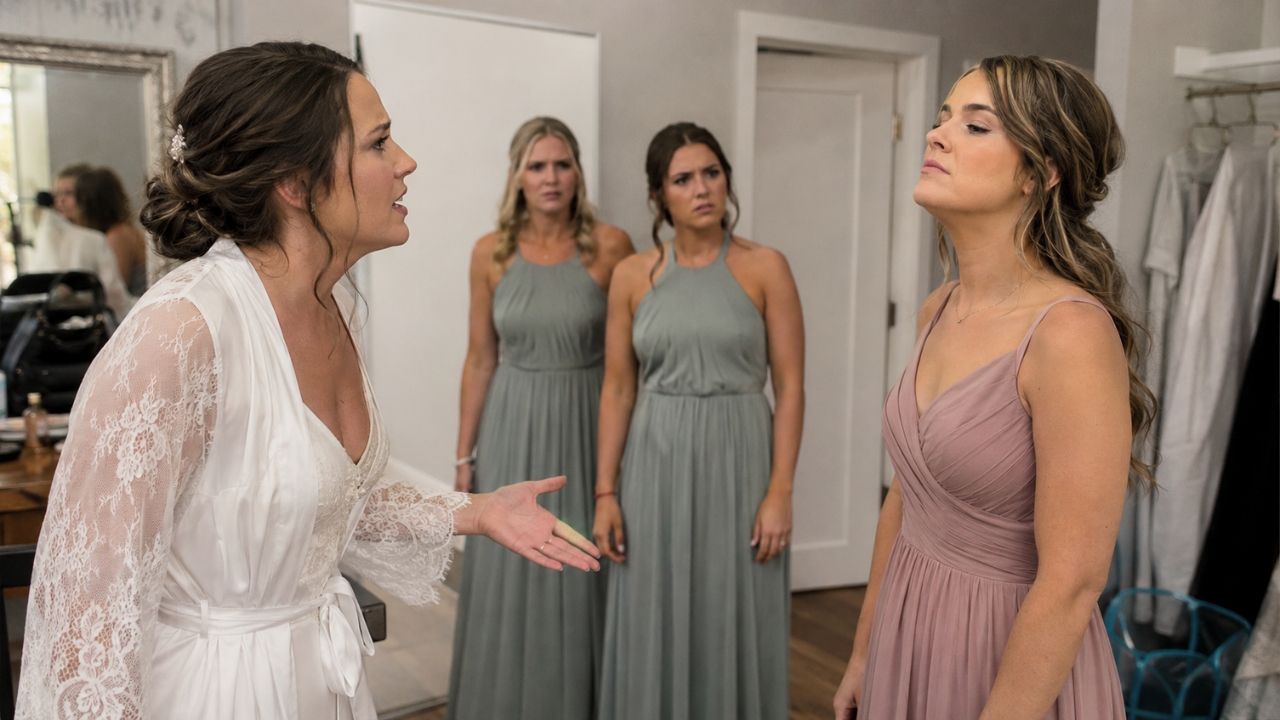
Two months into wedding planning, the bride thought she had handled the biggest details: the venue deposit was down, invitations were drafted, and the bridal party was picked. The problem started with something smaller but strangely personal—a dress—and it ended with her younger sister no longer standing beside her at the altar.
The sister had been asked to be a bridesmaid early, before the bride even chose colors. It was pitched as a way to keep things close-knit and easy, especially since their family was already tense about money and expectations. But once the bride settled on a specific look for the bridal party, the sister pushed back hard.
The dress choice turned into a boundary test
The bride chose a satin, floor-length style from a bridal retailer she’d used before, in a shade meant to match the florist’s mockups and the rented table linens. It wasn’t cheap, but the bride offered to cover half for anyone who needed it. She also set a deadline so alterations could be done together.
Her sister refused almost immediately. She said the fabric clung, the neckline was too low, and she wouldn’t spend money on something she’d never wear again. The bride suggested a wrap, a lining, even a similar cut from the same brand that would still match.
Instead, the sister went shopping on her own and bought a different dress without running it by anyone. It was the same general color family, but it photographed differently—more burgundy than rose—and the silhouette was completely off from the bride’s planned look. The sister framed it as a compromise, a way to “save the day” without drama.
Things got real when money and timing got involved
The bride didn’t just worry about aesthetics. She had already given the retailer a headcount to lock in a group discount and ordered swatches to coordinate hair accessories and bouquets. If one bridesmaid changed the plan, she feared the rest would follow, leaving her with mismatched photos and wasted deposits.
The sister wasn’t just late to cooperate; she was late on logistics. She skipped the first alteration appointment, missed a group meeting with the makeup artist, and didn’t respond for days at a time. When she did answer, it tended to be through clipped texts that made it sound like the bride was being controlling.
Their mother tried to mediate by suggesting the bride “let it go” for the sake of peace. But privately, the bride said it felt like a pattern: the sister pushed until everyone got tired and then called it independence. In the middle of an already expensive wedding, the bride didn’t want another moving target.
The bride tried one last compromise, and it backfired
The bride asked her sister to bring the dress to a planning night at her apartment so they could compare it under the same lighting as the other dresses. The bridal party arrived with their matching gowns in garment bags, and the contrast was obvious.
When the sister stepped out wearing her dress, it was close—but not close enough. The fabric was matte and slightly textured, and the hem hit awkwardly at the ankle. Against the other dresses, it looked like a different color entirely, especially in phone photos.
The bride offered a final solution: wear the original dress for the ceremony and switch to the sister’s dress for the reception. She even said she’d pay for the sister’s dress so it wouldn’t feel like a waste. The sister took it as an insult, said she wasn’t a prop, and accused the bride of caring more about pictures than family.
The argument escalated in front of the other bridesmaids, who fell quiet and started looking at their phones. It wasn’t shouting, but it was sharp enough that everyone understood it had crossed into something bigger than fabric. By the end of the night, the bride said she needed her sister to either wear the agreed-upon dress or step down as a bridesmaid.
Stepping down wasn’t the end—it created a new mess
The sister didn’t back down. She said she’d rather not be in the wedding at all than be “forced” into a dress she hated. The bride accepted that and told her she could still attend as a guest.
That’s when the practical problems started piling up. The bridesmaid lineup affected the ceremony seating, the rehearsal dinner reservations, and the pairings for the walk down the aisle. The bride had already paid for a bridesmaid bouquet and had a makeup slot reserved for her sister that would now go unused unless someone else filled it.
Family pressure followed almost immediately. The bride’s mother called asking if the sister could still stand up front “in her own dress” to avoid embarrassment. The bride’s fiancé got pulled into side conversations about whether this was really worth it, which made him uncomfortable and made the bride feel isolated.
Meanwhile, the sister started doing her own damage control. She told relatives she was “kicked out” and hinted that the bride was being cruel. Invitations were already in motion, and suddenly the bride was fielding messages that felt like an informal trial.
Commenters focused on receipts, boundaries, and keeping it off the group chat
When people heard the story, the reactions tended to split along practical lines. Some focused on the bride’s right to set a dress code for her wedding party, especially after offering to help cover costs. Others pointed out that forcing someone into an uncomfortable outfit can be a real issue, but only if it’s handled early and directly, not through a surprise replacement purchase.
A lot of advice centered on documentation and clarity. People urged the bride to keep texts, save screenshots, and stick to short, consistent language with family members instead of re-litigating every argument. The suggestion wasn’t to “win,” but to prevent the story from being rewritten through gossip.
Several people also flagged the financial side. If the bride had paid deposits tied to the number of bridesmaids, they said she should check contracts for flexibility and try to shift services—hair, makeup, bouquet—to another person rather than eating the cost. Others recommended keeping the sister’s role limited to guest status to reduce the chance of a last-minute scene.
The hardest part was keeping the wedding from becoming a referendum on the sister
After the decision, the bride worked quietly to stabilize the schedule. One friend stepped into the open slot for the rehearsal lineup, and the florist adjusted the bouquet count. The makeup artist let the bride transfer the appointment to a cousin, which helped smooth over some family tension without giving in on the dress issue.
The relationship with the sister, though, stayed brittle. They spoke only through short messages about family logistics, and the bride stopped sharing wedding updates in the family group chat. She worried that any new detail—music, seating, even the bachelorette weekend—would become another fight about control.
By the time the wedding week arrived, the bride had a workable plan and a clear bridal party. What she didn’t have was the easy closeness she assumed would come with having her sister beside her. The dress was no longer the real issue, but it had revealed how quickly a small defiance could turn into a family power struggle—one the bride wasn’t willing to host at the front of her ceremony.