Mother-in-Law Wanted to Be Called “Mama” by the Baby — Then the New Mom Had a Very Short Conversation With Her Husband
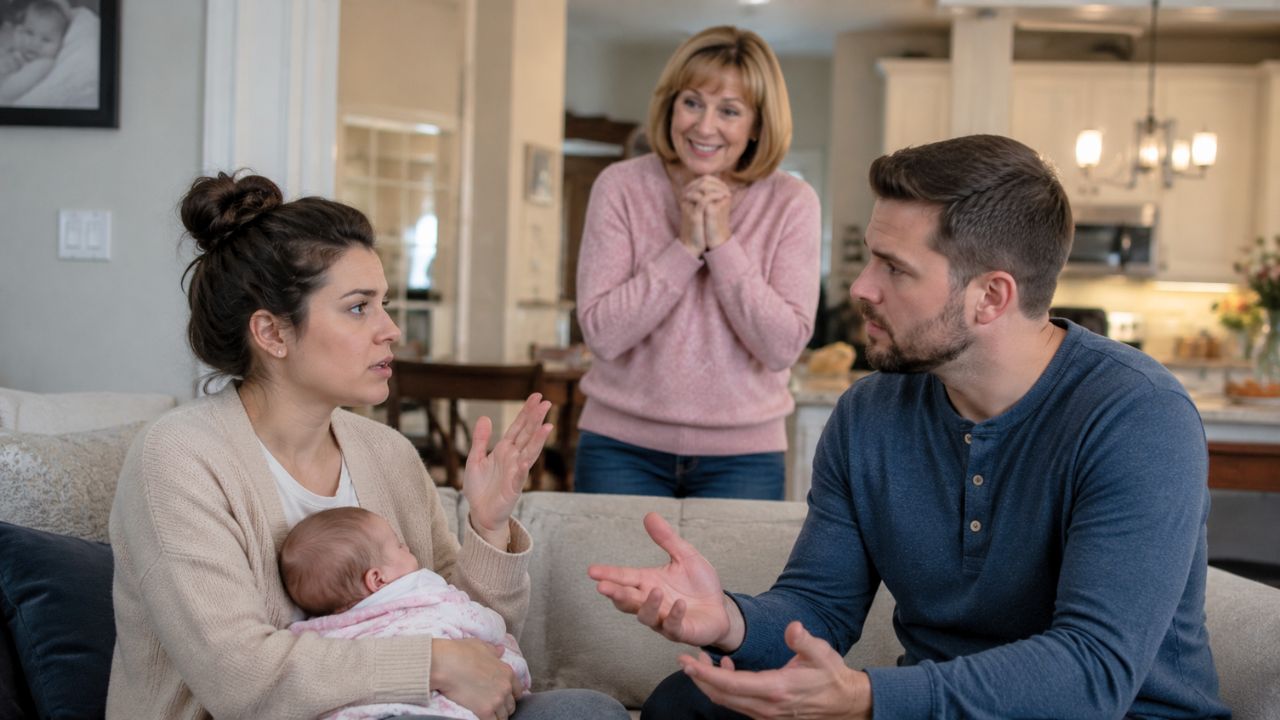
The baby was barely a month old when the new mom realized the tension in her house wasn’t about sleep schedules or diaper brands. It was about a single word her mother-in-law had started using in a sing-song voice during visits, the one that made the mom’s stomach drop every time she heard it.
At first, it sounded like a clumsy nickname. But the grandmother didn’t just coo it at the baby—she corrected other people, too, and introduced herself that way on a family video call. The new mom kept her face neutral, waited until the visit ended, and then had a very short conversation with her husband in their kitchen.
It started with a “cute” habit that didn’t feel cute
The grandmother had been excited from the moment she heard there would be a baby. She offered to host the shower, tried to take over the nursery theme, and bought a stroller that didn’t match anything the parents had chosen. The couple chalked it up to nerves and enthusiasm.
Once the baby arrived, the visits became more frequent and less flexible. The mother-in-law arrived with bags of supplies, asked where she should put her things, and acted like the house was a shared project. The new mom was healing, exhausted, and trying to learn her baby’s cues, so she let small annoyances slide.
Then the “Mama” thing began. The grandmother said it when she took the baby from the bassinet, when she warmed a bottle, and when she narrated what she was doing, as if she were practicing a role. The new mom tried to ignore it until she caught her mother-in-law gently redirecting the baby during tummy time, repeating the word and pointing at herself.
The new mom tried subtle boundaries, but they were ignored
She didn’t explode. She started small, using a light tone and offering alternatives. She suggested “Grandma,” a family nickname, even something playful. The grandmother smiled and brushed it off, saying the baby wouldn’t know the difference for a while.
But it didn’t stop. During one visit, the mother-in-law told the baby, again in that singsong voice, to come to “Mama,” while the actual mother sat two feet away with a nursing pillow. It wasn’t just awkward; it felt like a deliberate test.
The husband initially tried to laugh it away. He said his mom probably meant well, that she was just excited. He was also back at work, sleeping in longer stretches than his wife, and not absorbing the constant, low-grade stress of these visits.
That changed when his mother started asking for “alone time” with the baby, framing it as a way to help the couple rest. The new mom heard it as a way to establish a routine without her. The request came with guilt attached, a reminder that she had raised her son and “knew what she was doing.”
The short kitchen conversation changed the rules
After the video call where the grandmother introduced herself using that title, the new mom waited until the front door closed and the house was quiet. Then she told her husband she wasn’t debating it anymore. She didn’t raise her voice, but she didn’t soften the message either.
She told him she was the baby’s mother, and the baby would not be coached to call anyone else by that name. If his mother did it again, the visit would end immediately. If he didn’t address it directly, she would—and it would not be polite.
The conversation was short because the new mom had already reached her limit. She laid out two options: he could handle it as their shared boundary, or she would handle it as a safety-and-respect issue in her home. She also made it clear that postpartum vulnerability didn’t mean she was negotiable.
To his credit, the husband finally looked alarmed, not defensive. He admitted he’d been avoiding conflict because he didn’t want his mom to spiral. His wife’s response was blunt: her mother-in-law’s feelings were not more important than her role as the child’s parent.
When the boundary was enforced, the pushback escalated
The next visit became the test case. The husband met his mother at the door and told her they needed to talk before she held the baby. He explained that the baby would call the parents “Mom” and “Dad,” and that she would be “Grandma” or another agreed-upon nickname.
The grandmother reacted like she’d been accused of something. She insisted it was harmless, said she had always dreamed of being “Mama” to a grandbaby, and claimed the new mom was being controlling. When the husband didn’t back down, she shifted tactics and blamed his wife for “putting ideas in his head.”
During that same visit, she tested the line anyway. She said the word once while bouncing the baby and then looked at the new mom like she was waiting to see what would happen. The new mom stood up, calmly asked for the baby back, and the husband told his mother the visit was over.
That’s when the situation moved beyond an annoying nickname. The grandmother refused to hand the baby over for a moment, turning her body away in a half-step, as if she could physically keep the baby from the baby’s mother. The pause was brief, but it was enough to change the tone of everything.
The husband took the baby himself, placed the baby in the bassinet, and walked his mother to the door. The grandmother left crying and texting, sending a stream of messages about disrespect and “being erased.” Within an hour, she was calling other relatives to get them on her side.
The couple tightened up visits and started documenting behavior
In the days that followed, the new mom’s phone lit up with messages from extended family urging her to “keep the peace.” Some framed it as a misunderstanding. Others suggested she should be grateful for a grandmother who wanted to help.
The couple stopped taking drop-in visits. They set visiting hours, required advance notice, and made it clear that one of the parents would be present at all times. The husband also insisted that all communication about visits go through him for a while, so his wife didn’t have to manage a constant emotional tug-of-war.
Because things had gotten tense, they also started saving screenshots. The grandmother’s texts weren’t threats, but they were persistent and manipulative, bouncing between apologizing and demanding. The new mom didn’t want to build a case against anyone, but she also didn’t want the story rewritten if it escalated again.
They added a small camera at the front door, partly for packages and partly for peace of mind. The new mom told her husband she didn’t want any more surprises—literal or emotional—while she was home alone with the baby.
People who heard the story focused on one practical point
The most consistent reaction from friends the couple trusted was that the word itself wasn’t the real issue. The issue was the boundary testing, the refusal to stop when asked, and the moment of hesitation when the grandmother didn’t immediately hand the baby back.
Others emphasized keeping visits structured and short until trust was rebuilt. A few suggested using a neutral third-party nickname the grandmother could “own” without competing with the mother’s role. But the biggest practical advice was to make rules clear in writing and enforce them consistently, because inconsistency invites more tests.
Some also warned the couple not to leave the baby alone with someone who acts entitled to a parental title. Not because it guarantees something dramatic will happen, but because it signals a mindset where the grandparents’ wants outrank the parents’ decisions.
By the end of the week, the grandmother had stopped using the word in direct messages, but she hadn’t apologized for pushing it. The husband was still receiving calls from relatives, and the new mom was still locking the door during the day out of habit, even though she knew it was unlikely anyone would show up uninvited.
The baby, oblivious to all of it, kept doing what newborns do—eating, sleeping, and crying on schedule that belongs to no one. The adults, meanwhile, were learning that the first real parenting decision sometimes isn’t about feeding or swaddling. Sometimes it’s about drawing a line, enforcing it once, and accepting that peace isn’t possible with someone who thinks your role is up for grabs.