Family Kept Showing Up to the Hospital Without Calling — Then the Parents Had Security Escort Them Out
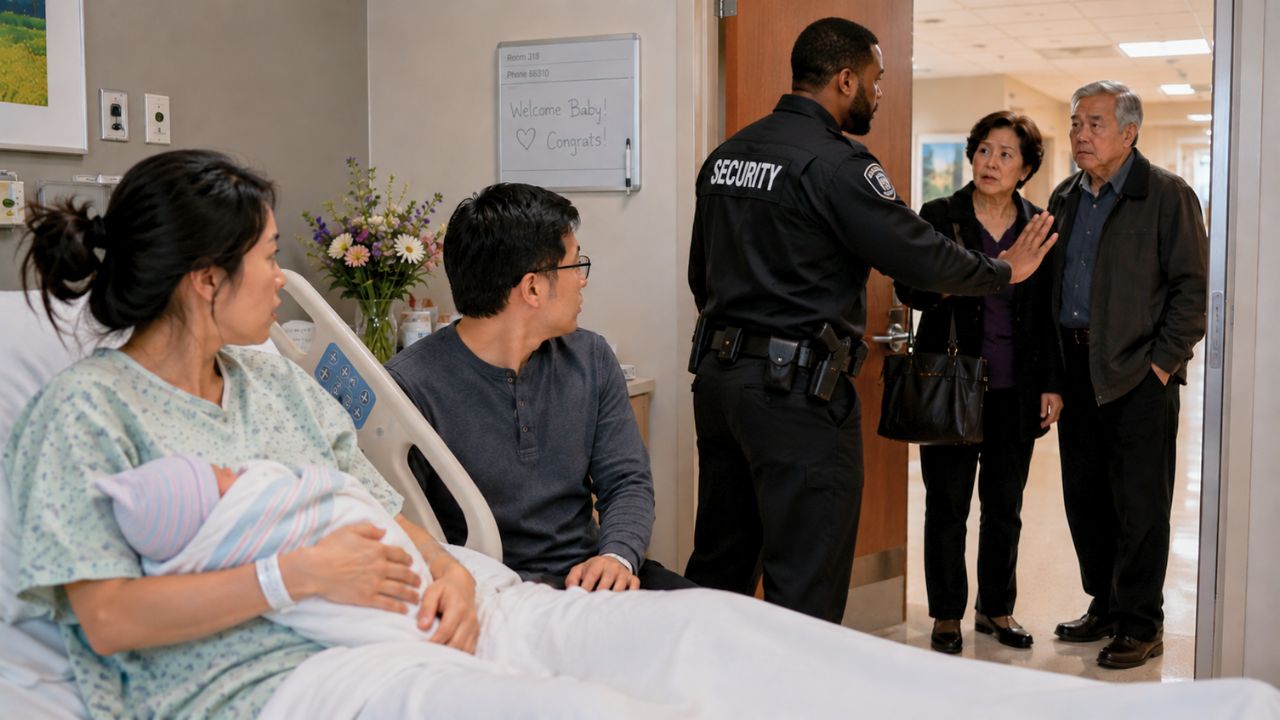
Photo credit: Thrivegirly.com
It started with a surprise visit that didn’t feel like a visit at all. A couple stepped out of an elevator onto a maternity floor and headed straight for the nurses’ station, asking for a room number like it was a hotel check-in.
The problem was they weren’t on the visitor list, they hadn’t called ahead, and the new parents had already told staff they wanted a quiet, controlled recovery. Still, the couple kept coming back—sometimes twice in a day—acting like showing up in person would eventually wear everyone down.
It wasn’t the first boundary they ignored
The parents had been bracing for this. During the pregnancy, they’d asked both sides of the family to wait for an invitation after the birth, partly because the delivery plan was complicated and partly because they didn’t want a crowd in the first 48 hours.
One side took it personally. The grandparents-to-be pushed for updates, tried to guess due dates, and kept hinting that they would “just stop by” when the time came. The parents responded by tightening information, sharing fewer details, and giving the hospital a clear set of instructions about visitors.
So when the front desk called the room to ask if the parents were expecting anyone, it didn’t feel random. It felt like the next move.
The hospital’s rules were clear, but the visits kept happening
Most hospitals have some version of the same policy: visitors check in, show ID, and get permission to go back. In this case, the unit was already cautious, with staff trained to treat maternity and postpartum floors as high-security areas.
The grandparents tried a few different approaches. One time they told staff they were “family” and acted like that should be enough. Another time they waited in the lobby hoping someone would bring them up. Once, they walked in right behind another visitor, assuming the door would hold long enough for them to slip through.
Every time, nurses redirected them. Every time, the parents got a call and had to decide whether to allow it or say no again. Saying no didn’t feel like a simple preference anymore—it felt like a safety decision being forced on them while they were exhausted.
The tipping point was when they tried to force contact
After the second day, staff noticed a pattern. The same couple would appear, ask again, hover around the desk, then circle back later as if a different nurse might give a different answer.
On the third visit in one afternoon, a nurse stepped into the parents’ room and asked if they were comfortable escalating to security. The parents had just gotten the baby settled, and the mother was trying to rest between check-ins and medication schedules. The idea of another confrontation—another decision—was too much.
They told the nurse to do whatever was necessary to stop the drop-ins. They also asked staff to put a note in the chart and at the unit desk: no visitors unless specifically approved, and no information given out at the desk or over the phone.
When the grandparents returned again, they were met by hospital security. Staff didn’t debate. Security walked them back to the elevator and out through the main lobby, making it clear they were not to return without permission.
After the escort, the pressure moved outside the building
Being turned away didn’t end the conflict; it changed the form. The parents’ phones lit up with calls and messages, some framed as concern and some clearly angry that the grandparents had been embarrassed in a public place.
Within hours, other relatives started reaching out too. Some tried guilt—telling the parents they’d regret “keeping family away.” Others tried bargaining—offering to come alone, or only for five minutes, or promising they’d stay quiet.
The parents responded with the same line: they would invite people when they were ready, and anyone showing up without permission would be turned away. They also let the hospital know they expected more attempts, so staff wouldn’t be caught off guard on shift change.
The bigger concern was what would happen after discharge. If relatives were willing to test boundaries at a hospital, the parents worried they’d show up at home, at the pediatrician’s office, or at the daycare tour they’d scheduled for later in the month.
Commenters focused on documentation and locking down access
People familiar with hospital policies zeroed in on how important it was that the parents had flagged the situation early. They pointed out that many facilities can mark a patient as “confidential” or “no information,” which prevents staff from confirming someone is even admitted.
Others stressed documentation. Save messages, keep a timeline of visits, and write down names of staff who witnessed the repeated attempts to get onto the unit. Not because the parents needed to start a legal war immediately, but because patterns matter if things escalate later.
Practical suggestions came up, too. Change the door code if the building has one. Make sure the pediatrician knows not to release appointment times. If there’s a shared family calendar, stop using it. If a relative has a spare key “for emergencies,” get it back—or change the locks.
A few people highlighted the emotional trap: if the parents explained their reasons again and again, the grandparents would treat it like a debate. The only thing that worked was a single boundary, repeated consistently, with consequences attached.
The hardest part was treating it like a security issue, not a family disagreement
In the parents’ minds, this wasn’t about winning an argument. It was about protecting a recovery period that was already physically and mentally demanding, and protecting a newborn who didn’t need a parade of visitors in a clinical setting.
Hospital staff saw it through the same lens. Unapproved visitors create risk, not just for one family, but for the unit as a whole. If someone can badger their way onto a floor once, it teaches them to keep trying—and it teaches everyone watching that the rules are negotiable.
The escort out of the building made the message unmistakable. It also left the parents with a new reality: they couldn’t count on social norms to stop repeat behavior. They needed systems—notes on charts, locked-down info, and a plan for what to do if someone showed up again.
By the time the parents were preparing to leave the hospital, they weren’t just thinking about diapers and feedings. They were thinking about doorbells, driveway cameras, and whether they’d have to call for help at their own front door. They got their first quiet stretch of peace only after deciding that “family” didn’t automatically mean “access,” and acting like it.