Her Sister Wanted a Free Wedding Cake — Then the Bride Found Out She Had Already Promised It to Guests
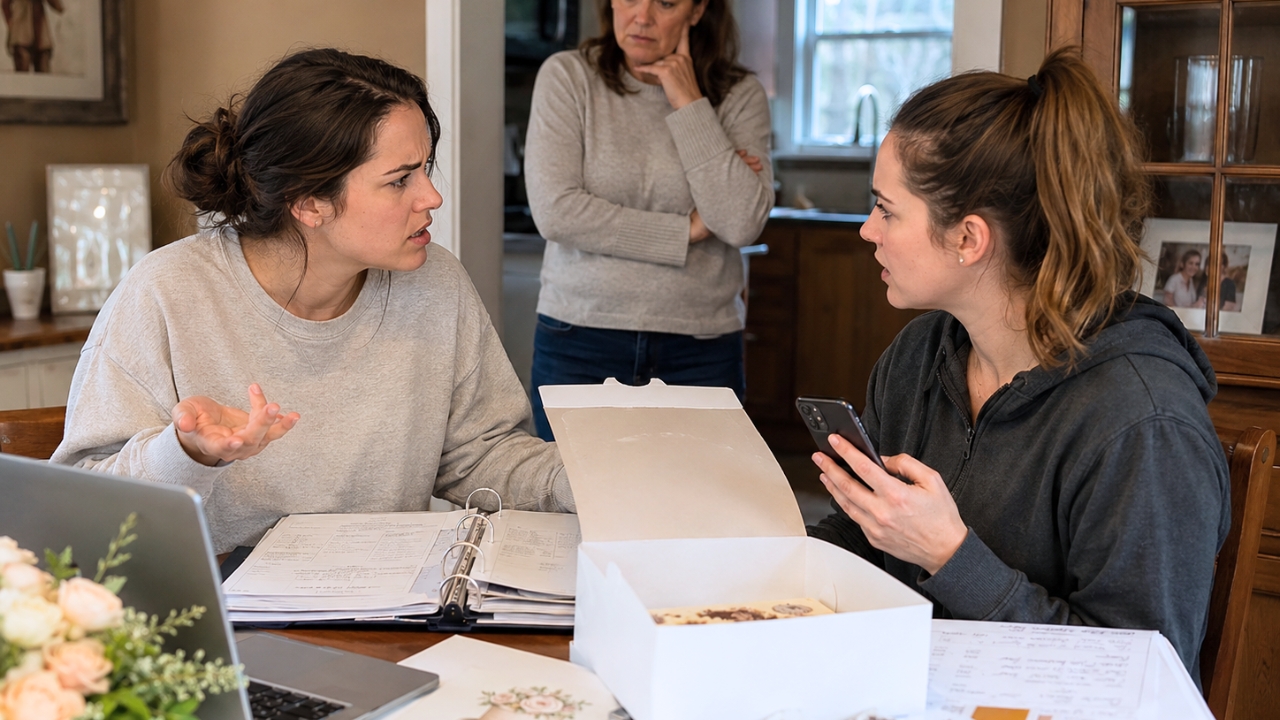
Photo credit: Thrivegirly
Two weeks before her wedding, Maren thought she had one last big box checked: the cake. A family friend had offered her a discounted rate, her venue required a licensed baker, and her final tasting had gone smoothly. Then her younger sister, Tessa, called with a request that didn’t sound like a request at all.
Tessa wanted Maren to “just let her” handle the dessert as a gift. Not pay for it, not contribute toward it—take over the entire cake. The pitch was simple: Tessa had been practicing for months, she wanted to prove herself, and it would save Maren money. Maren hesitated, partly because she’d already signed a contract, and partly because Tessa had a history of turning favors into leverage.
What Maren didn’t know was that Tessa had already been talking about “her cake” like it was a done deal—and had even promised slices to other people long before Maren agreed to anything.
The “gift” came with strings, and the bride felt them immediately
Maren and her fiancé were trying to keep the planning low-drama. They’d budgeted carefully and paid deposits early so nothing could surprise them. Tessa’s offer landed like a shortcut, but Maren’s gut told her it would come with conditions.
When Maren asked basic questions—who would deliver it, whether the venue would accept it, what flavors, what size—Tessa got defensive. She said Maren was “micromanaging” and that a gift shouldn’t be interrogated. Maren tried to keep it calm and asked for a plan in writing, mainly because the venue needed a certificate and a delivery window.
Tessa replied with a few vague texts about a “three-tier buttercream situation” and insisted she’d handle everything. Maren didn’t love it, but family pressure started building: their mom reminded Maren that Tessa wanted to feel included, and an aunt said it would be “sweet” to have a sister-made cake. Maren agreed to consider it if the venue requirements could be met.
A casual comment exposed the promise that had already been made
The unraveling started at a small family dinner where Maren was finalizing seating. A cousin mentioned how excited she was to try Tessa’s cake, and not in a vague way. She referenced a specific flavor combination and joked that she’d asked Tessa to save her “two slices to take home.”
Maren paused, assuming it was just talk. But then another relative chimed in that Tessa had told them she was making extra cupcakes “for the guests who don’t like fondant.” Someone else mentioned that Tessa had also promised a separate mini cake for their grandparents to cut at a brunch the next day.
It wasn’t just excitement. It sounded like commitments. Maren pulled Tessa aside and asked what was going on. Tessa said she’d been “planning ahead” and didn’t see the harm in telling people, because Maren would obviously say yes once she realized how much money she’d save.
That was when Maren realized she wasn’t being offered a gift. She was being backed into an obligation, with an audience.
The practical stakes were bigger than feelings
Maren went home and dug out her vendor paperwork. The venue’s rules were strict: outside desserts had to come from a licensed kitchen, and deliveries had to happen during a narrow window when a coordinator could log them. Her original baker had already submitted documentation, and the final balance was due soon.
Tessa baked from home. She posted photos of cookies and cakes on social media and sold to friends, but she didn’t have the licensing the venue required. When Maren raised that issue, Tessa suggested they “just not mention it” and said she could slip in through the kitchen if someone held a door.
That suggestion changed everything. Maren wasn’t just worried about family drama anymore; she was worried about getting her wedding shut down by a venue manager, losing a deposit, or ending up with nothing to serve because a coordinator refused the delivery. She also worried about food safety, since the wedding was in late summer and the venue’s cake storage was limited.
Maren told Tessa she couldn’t accept the offer unless it met venue requirements and came with a clear plan. Tessa took it as a rejection and accused Maren of being ungrateful. Within hours, Maren’s phone started buzzing with relatives repeating Tessa’s version: that Maren “didn’t trust her” and was “embarrassed” by her baking.
What made it worse was how far the sister had taken it
The next day Maren got a call from her original baker asking a strange question: had Maren canceled? The baker said she’d received a message from someone claiming to be “helping with the wedding” asking about cancelation terms and whether the deposit could be transferred.
Maren didn’t have to guess who. She texted Tessa telling her not to contact vendors and that the cake was not her responsibility. Tessa responded that she was “trying to help” and that Maren was “wasting money” for no reason. Then Tessa followed up with screenshots of messages she’d already sent to family members, saying she’d be making the cake and asking who wanted which flavors.
Maren felt cornered. If she said no, she’d be painted as the bride who rejected her sister’s gift. If she said yes, she risked violating the venue contract and losing control of a core part of the reception. And if Tessa showed up with a cake anyway, there was a real chance it would create a scene at the loading area while guests were arriving.
Maren’s fiancé suggested treating it like any other vendor issue: everything in writing, clear boundaries, and a backup plan. That was the first time Maren stopped thinking of it as a sister problem and started treating it like an event security problem.
Commenters focused on documentation and stopping a day-of surprise
When Maren described the situation to friends and a few wedding-planning groups, the advice was blunt and practical. People told her to lock in her original baker immediately, pay the balance early if she could, and confirm in writing that only the contracted vendor was authorized to deliver.
Others suggested calling the venue coordinator and giving a heads-up: if anyone else arrived with a cake, it should not be accepted. Some recommended sharing a photo of Tessa with the coordinator, not to shame her, but to prevent the “helpful sister” story from bypassing staff. A few people said to assign a trusted friend or groomsman to handle any confrontation so Maren wouldn’t be dragged into it in her dress.
There was also a lot of caution about cancelation policies and vendor interference. People urged Maren to save screenshots, keep a timeline of what was said, and communicate only by text or email so she’d have proof if Tessa tried to cancel something else. The common theme was that this wasn’t about baking skills; it was about control and the ability to create chaos.
Some even floated the idea of hiring a small security presence, especially if Tessa had a history of pushing boundaries. Maren didn’t love that idea, but she understood the logic: a wedding day moves fast, and the person who causes the biggest commotion can hijack it.
The bride made a decision, but the tension didn’t disappear
Maren kept her original cake order. She told her mom and sister in a group text that the venue required licensed vendors and the cake was already contracted, so the answer was final. She offered Tessa an alternative role: a dessert table of packaged cookies made in advance, if they could be stored safely and labeled, or helping with welcome bags.
Tessa didn’t accept the compromise. She said Maren was treating her like an assistant instead of family and accused her of caring more about “appearances” than inclusion. Their mom tried to smooth it over by suggesting Tessa bake a small cutting cake “just for photos,” but Maren said no, worried it would become another wedge.
In the days that followed, Maren notified the venue and forwarded the cake vendor’s documentation again. She also asked the coordinator to only accept deliveries listed on the final invoice. It wasn’t the romantic part of planning, but it made her feel less powerless.
By the time the wedding weekend arrived, Maren had a cake coming from a confirmed vendor and a plan for the door. But she also had a sister who felt publicly humiliated, and a family split between “keep the peace” and “protect the event.” The cake was handled. The relationships were the part that still looked uncertain.