Aunt Wanted To Be Treated Like a Grandparent — Then the Parents Said Baby Access Wasn’t a Reward
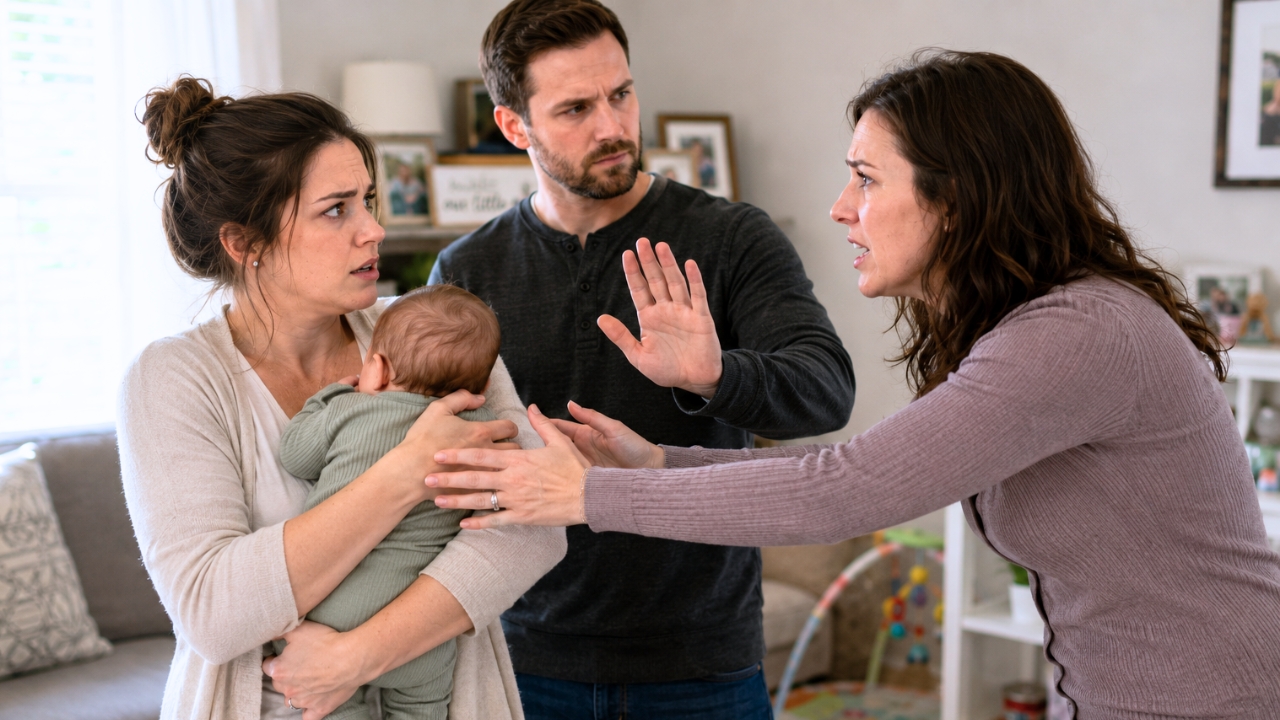
When the baby was born, the couple expected the usual swirl of excitement and boundary-testing that comes with a new family member. What they didn’t expect was how quickly one relative would start treating visits like a prize to be handed out. The baby’s aunt, who lived across town and had always liked being the “fun” one, began pushing for the same access the grandparents had.
At first it sounded harmless: more drop-ins, more pictures, more invites to “just swing by.” But the parents were running on broken sleep, juggling pediatric appointments, and trying to keep routines steady. They told everyone the same thing—visits were scheduled, and anyone who came sick or ignored the rules would be asked to leave.
The “grandparent” expectations started early
The aunt showed up with a gift bag and a camera-ready smile the first week home, expecting to be let in even though the couple had asked for a quiet day. She didn’t yell, but she lingered on the porch and texted repeatedly until the new mom finally stepped outside, holding the baby and trying to keep the interaction brief.
After that, the aunt began framing everything as fairness. If the grandparents were allowed to stop by for short windows, she wanted the same. She asked to be added to the shared baby photo album, asked to be called before doctor visits, and asked to be on the daycare pickup list “just in case.”
The couple tried to keep it simple: grandparents were helping with meals and laundry during the recovery period, and even their visits had limits. The aunt wasn’t hearing it. She started referring to herself as “basically another grandparent,” and she expected the same standing in the household.
Rules for the baby turned into a power struggle
The first real blowup happened over a cold. The aunt had been coughing during a previous visit and later admitted she’d “been fighting something,” but she still wanted to come by the next weekend. The parents said no, explaining they were avoiding unnecessary exposure while the baby was still very young.
That was when the tone shifted. The aunt accused them of playing favorites and “punishing” her by withholding the baby. She treated access like a reward for good behavior and an entitlement that could be negotiated if she argued long enough.
The parents responded with the line that became the center of the entire conflict: time with the baby wasn’t a reward. They weren’t doling out visits as prizes, and they weren’t taking them away to make a point. They were making safety and schedule decisions, and the answer wouldn’t change because someone was unhappy.
Instead of backing off, the aunt doubled down. She began sending long messages about family loyalty, hinted that the grandparents were being “used,” and insisted she deserved the same level of involvement. She asked for set weekly visits, asked for solo time with the baby, and pushed for overnights before the parents were even comfortable leaving the baby with anyone.
The situation escalated from messages to showing up
When the parents didn’t respond quickly, the aunt started appearing unannounced. Twice she knocked hard enough that the baby startled awake. One afternoon she waited in the driveway, waving at the dad as he carried groceries inside, and tried to follow him through the door.
After that, the couple installed a doorbell camera. They also stopped opening the door unless a visit had been agreed to ahead of time. The aunt noticed immediately and began texting that the camera made her feel “tracked,” even though it was pointed at the front step like every other doorbell camera in the neighborhood.
Then came the social pressure. The aunt contacted other relatives and described the parents as controlling and cruel. Family members started calling the couple, asking why they were “keeping the baby away” and suggesting the aunt was only trying to help.
The parents responded by keeping the same script: they weren’t debating the rules, and they weren’t rewarding persistence. They offered a simple choice—scheduled visits when everyone was healthy and respectful, or no visits at all until things calmed down.
The breaking point came with a public scene
The next escalation didn’t happen at the house. It happened at a family gathering where the couple had agreed to stop by for a short time, baby in a carrier, with the plan to leave early. The aunt cornered them near the kitchen and tried to take the baby out of the carrier without asking.
The mom stepped back. The dad put his hand up and said no. The aunt’s face tightened, and she started raising her voice, insisting she was family and accusing them of treating her like a stranger.
People turned to watch. The baby began crying. The couple left immediately, and the aunt followed them out to the driveway, still arguing. A neighbor across the street later told the couple they’d heard the shouting and thought it might turn into something worse.
That night the aunt sent a flood of messages: apologies mixed with blame, promises mixed with demands. She insisted the parents embarrassed her and said they owed her a chance to “bond properly.” The couple didn’t respond. They saved everything.
Documentation became the parents’ safety net
After the driveway scene, the couple tightened their boundaries. They told the grandparents that visits were still welcome, but they needed help keeping the situation calm. They also explained that no one was to give the aunt their schedule, and no one was to invite her to events with the baby without asking first.
The aunt tried a different angle. She emailed the dad at work, saying she was worried about the baby’s well-being and hinting that the parents were unstable. The dad forwarded it to HR preemptively, explaining it was a family dispute and he wanted it on record in case she escalated further.
They also began keeping a simple log of uninvited visits and messages, with timestamps and screenshots. The doorbell camera clips were saved to a separate folder. It wasn’t about building a case for a dramatic showdown; it was about having a clear record if they ever needed to show a landlord, a workplace, or law enforcement that the pattern was real.
When the aunt showed up again and refused to leave the porch, the parents didn’t argue. They spoke through the door, told her the visit wasn’t happening, and asked her to go. When she stayed, they called the non-emergency line and reported a trespass issue. An officer spoke to her outside, and she left in a hurry.
What people focused on was control, not closeness
When the couple described the situation to friends and a few trusted relatives, the responses were less about family etiquette and more about basic safety. The consistent advice was to stop debating, stop explaining, and keep everything in writing. The more the aunt argued, the more it seemed like the fight wasn’t about love for the baby—it was about status.
Some people urged the couple to change routines for a while, like varying departure times and meeting grandparents at neutral locations. Others emphasized practical steps: keep doors locked, confirm who has keys, and make sure daycare and doctors have a clear “no pickup” list for anyone not explicitly approved.
A few relatives still tried to broker a peace deal, suggesting the couple offer the aunt a standing monthly visit so she’d feel included. The parents refused, saying that turning access into a negotiated payout would only teach her that pressure works.
By the time the baby was a few months older, the aunt’s messages slowed, but they didn’t fully stop. The grandparents remained involved, carefully and quietly, while the couple kept their boundaries firm. They weren’t trying to punish anyone. They were trying to raise a child without turning every visit into a contest—and they knew that once you start treating a baby like a trophy, the conflict doesn’t end on its own.